More Than ERP™ OCD Treatment
IOP Built By a Founder Who Spent 10+ Years Searching for Effective OCD Treatment
That experience helped shape a very different kind of OCD IOP: three focused weeks, 45 hours of 1:1 OCD treatment, and a More Than ERP™ framework built around the patterns that can keep pulling you back in.
- 15 hours of 1:1 OCD treatment each week
- OCD IOP treatment—not a mixed-diagnosis group therapy program
- ERP treatment plus 40+ specialized methods within More Than ERP™
- A defined 3-week intensive OCD treatment window
Why We Built It Differently
Brad Did Not Come to OCD Treatment Only as a Clinician.
He came to it first as a client.
After entering the field himself, Brad trained clinically, co-facilitated intensive treatment, and began building a framework around the parts of the pattern that can be easy to miss.
- 10+ Years in OCD & Anxiety
- 40+ Methods Beyond ERP
- Built as Client & Clinician
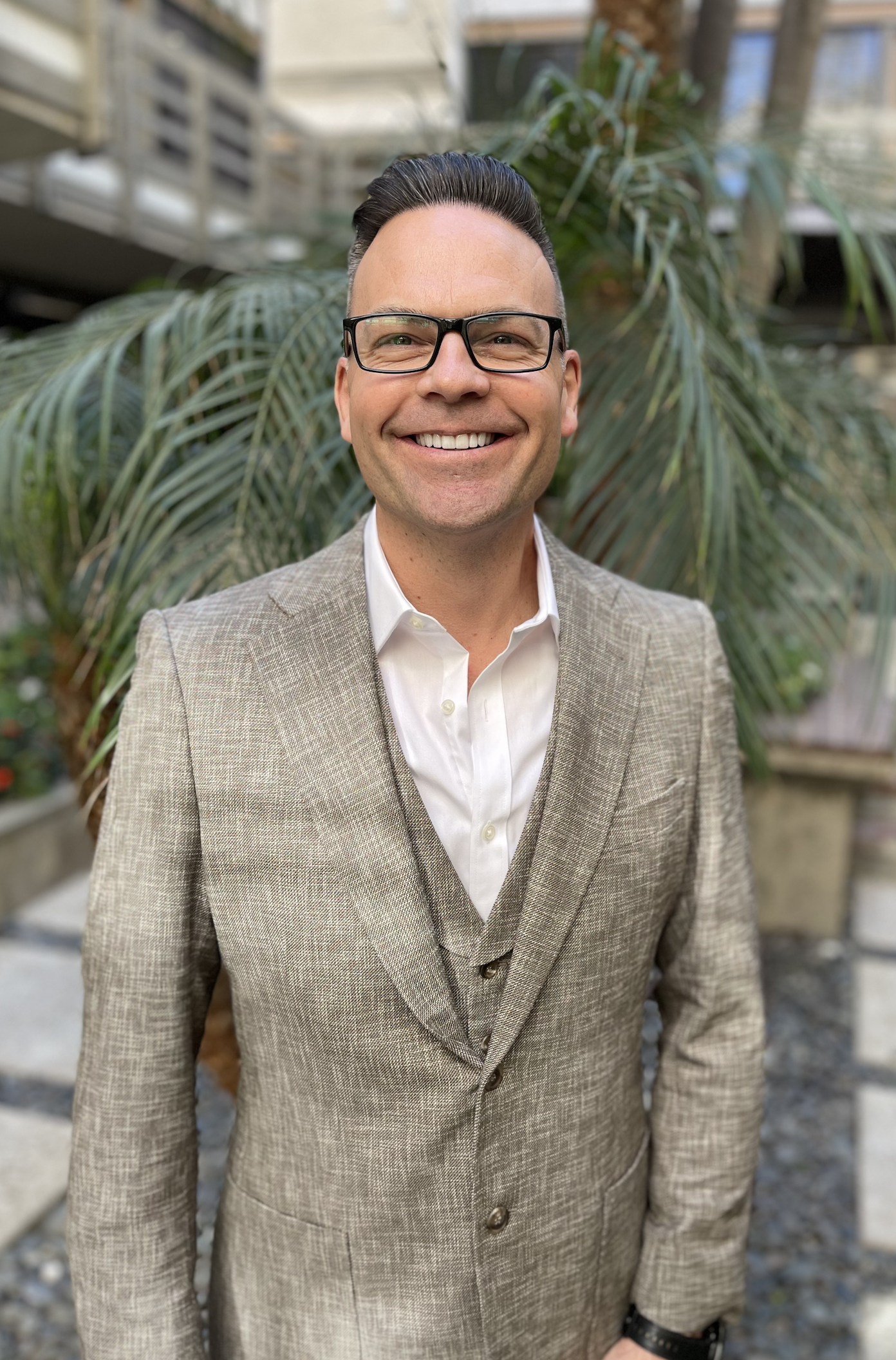
Bradley T. Wilson
Founder & Director · LMFT #130605 · LPCC #15676
Why Progress Can Still Slip
You Can Have a Good Therapy Session—and Still Get Pulled Back In.
You understand what OCD is doing. You leave knowing what you are supposed to practice. Then Tuesday becomes Wednesday. Wednesday becomes Thursday. And OCD is still there.
OCD Has the Rest of the Week to Pull You Back In.
Checking, reassurance, avoidance, and mental review can return long before the next appointment.
You Spend the Week Trying to Hold Onto the Session.
You may know the plan but have no real-time feedback when the pattern changes or gets louder.
The Next Session Becomes About What Went Wrong.
The hour can disappear into reviewing the week instead of practicing what needs to happen next.
You Know What to Do. Then OCD Gets Loud.
Knowing the tool when you are calm is different from using it when fear and doubt feel urgent.
Treatment Density
You Came for OCD Treatment. Why Share Your Intensive With Unrelated Problems?
More hours do not automatically mean more personal treatment. How those hours are delivered matters.
Weekly Traditional
1 Hourper week of face time
167 Hoursbefore the next weekly session
45 Weeksto reach 45 treatment hours
Standard Group IOP
9 Hoursper week of scheduled group time
Shared Attentionacross a broader group format
5 Weeksto reach 45 scheduled treatment hours
Our 1:1 OCD IOP Treatment
15 Hoursper week of 1:1 face time
Individual Focuson your specific OCD pattern
3 Weeksto reach 45 treatment hours
Illustrative comparison. Weekly traditional therapy assumes one 60-minute session per week; group IOP assumes 9 scheduled group treatment hours per week. Actual schedules, treatment mix, group format, and individual-session availability vary by provider.
What We Treat
OCD & Related Patterns
Checking OCD
Contamination OCD
Intrusive Thoughts / Pure O
Harm OCD
Health OCD
Relationship OCD
Rumination
Just Right / Perfectionism
Hyper-Responsibility
Magical Thinking
Existential OCD
Scrupulosity
Mental Compulsions
Anxiety Disorders
Generalized Anxiety
Social Anxiety
Panic Disorder
Panic Attacks
Phobias
Driving Anxiety
Sleep Anxiety
3-Week Intensive OCD Treatment
Three Weeks. Three Jobs. No Wasted Time.
Each week has a clear purpose. The work moves from seeing the pattern to practicing a different response and carrying it forward.
01
Map What Keeps Pulling You Back In
We get specific about the cycle instead of treating “OCD” as one generic problem.
- Triggers and meanings
- Overt and mental rituals
- Avoidance and reassurance
- What creates short-term relief
02
Practice a Different Response
This is where understanding becomes repetition, feedback, adjustment, and more repetition.
- ERP practice
- Response prevention
- Defusion and willingness
- Real-time feedback
03
Carry the Work Into Real Life
The goal is not to perform well in treatment. It is to know what to do when the old cycle tries to return.
- Real-world practice
- Family/support integration
- Relapse prevention
- Step-down planning
The Response Cycle
The Thought Is Only the Beginning of the Pattern.
OCD can make relief feel like the goal. But the response that lowers distress right now may be the same response that gives the concern more authority next time.
Brief relief is not the same as lasting change.
STEP 01Something Sets Off the AlarmA thought, image, feeling, memory, sensation, or uncertainty.
STEP 02Distress Creates UrgencyIt starts to feel like you need an answer, certainty, or immediate relief.
STEP 03A Relief Response FollowsChecking, reassurance, avoidance, research, mental review, or another safety behavior.
STEP 04The Concern Returns With More AuthorityThe relief teaches the brain that the alarm deserved a response.
Treatment Outcomes
We Measure More Than Whether Someone Finished Three Weeks.
Our published program data looks at completion and symptom change across clients who completed the three-week intensive.
Patient Stories
What Clients and Families Shared in Their Own Words.
These Google reviews are reproduced in their original wording. The review text has not been rewritten or summarized.
★★★★★
Google Review
Highly recommend The OCD Treatment Center! After struggling with obsessive thoughts for quite some time, I decided to reach out for help when things got too difficult to manage alone. I was pretty nervous to set up my first appointment, but Portia was extremely kind and welcoming when I made the call. My experience with my therapist Alyssa was nothing but amazing. She is a very calm, patient, and attentive person with a nice sense of humor too. She made me feel comfortable during our sessions and there was no judgement whatsoever. I couldn’t be more grateful for all the time she took to teach me the tools to break the OCD cycle and not let the obsessive thoughts control me. Good luck to whoever is reading this, you or your loved one can make it to the other side! :)
★★★★★
Google Review
This place is amazing. It's been about 8 months now since I finished the three week intensive outpatient program and I just had to come on here and share my experience because my time here seriously changed my life and I just have so much gratitude for this center and the people that work here. I was skeptical about the program at first because I had spent a lot of time in regular therapy for my OCD and no one was able to help me get past some compulsions I had been dealing with for over 10 years that seriously interfered with my daily life but what they do here truly works. I still have hard days sometimes but my OCD is so much more under control than it was before coming here! I am so glad I took a leap of faith and let these people help me. I pretty much had given up hope that I would ever be able to get past some of my biggest and most problematic compulsions but with the guidance and support I got from this place I was able to get my OCD under control and start living the life that I want and I can't thank them enough!
★★★★★
Google Review
It’s been about 5 months since I began the IOP at the OCD Treatment Center, and I feel like it’s finally been long enough for me to say that this program—and Madasen in specific—completely changed, and likely even saved, my life. Before starting this program, I was attending school once or twice a week and was barely able to leave the house. I felt like there was no way out of the hole I was in, and I was unsure that a three-week program would be enough to help me. Thankfully, I was completely wrong. When I took my first assessment before beginning the IOP, my OCD symptoms were severe, and by the end of the program, my symptoms were already subclinical.
The one-on-one format of the program, combined with daily sessions and “homework” in between them, was exactly what I needed to break the cycle I was in. Before this, weekly therapy just wasn’t cutting it for me. I’d leave sessions feeling motivated but would almost immediately fall back into compulsions, always telling myself I’d start making real changes “tomorrow.” Dedicating three weeks to focus on my recovery paid off in a big way, and I ended up being able to finish my last semester of college on the best foot possible, both academically and personally.
Madasen made me feel safe enough to open up about my obsessions and compulsions more honestly than I ever had before, and having the opportunity to work with someone who has personal experience with OCD was an absolute game-changer for me. I never felt like I had to fear being judged for what I was experiencing, and she truly helped me understand for the first time that my OCD is not my fault, nor do my thoughts and obsessions align with who I am as a person and what I really want in my life.
If you’re reading these reviews and thinking you’re the outlier and that you can’t be helped, I was right there with you before I started the IOP, and today, my life is exponentially better in ways that I cannot even put into words. I now have the tools and confidence to handle triggers when they arise, and I am no longer living in fear. While I still have difficult days, they’re far less common than the good ones. Now, even a day that might seem mediocre to most feels incredible to me, because even if I’m spending my day studying, for example, at least I’m free.
If you're struggling and unsure where to turn for help, I strongly encourage you to reach out to the incredible team at The OCD Treatment Center. I cannot recommend this program, and especially Madasen, highly enough.
Take the leap, put your all in, and commit time to building the life you want. I’m confident you’ll come out of treatment stronger and more self-assured than before.
You got this!
★★★★★
Google Review
The OCD Treatment Center staff and program genuinely changed my life. I thought I was stuck with my severe OCD for the rest of my life and it was not until I started working with Madasen that I started to see a change. At The OCD Treatment Center, Brad's framework consists of three main factors: skill set, tool set, and mindset. My mindset was so low, as I have been living with severe OCD for the past 15 years! I got so used to hiding my OCD and compulsions, that I felt so hopeless. The first week of the IOP really delves into the psychoeducation behind OCD and although this first week felt like a month, I learned SO much! Heading into the second week of the IOP, I was equipped with the knowledge to better understand my OCD, meanwhile we had done a lot to create a separation between myself and my OCD. We are NOT our OCD. We are NOT our scary/uncomfortable thoughts and feelings. Madasen really showed me that this mindset and the tools truly do work. It was NOT easy work, but I felt so supported along the way. Madasen and Brad truly invest their time, energy, and compassion into your healing journey.
I looked at a lot of facilities before deciding on The OCD Treatment Center. I had pursued OCD treatment from an online source the year prior and was so discouraged when it was not working. So this time, I knew I wanted to really do my research and do treatment right. The OCD Treatment Center was everything they promised to be and more. When I had gone in initially to meet the staff and see the facility, Brad (who is the founder and I'm sure a VERY busy man), offered to take over and answer any of my questions so that his staff could go to lunch. He did not have to do that but it was his kindness and his genuine belief in my ability to get better and overcome OCD that ultimately made me continue with the IOP at their facility.
I could write a book about all the ways in which Madasen, Brad, and the The OCD Treatment Center genuinely changed my life and actually gave me my life back. OCD and compulsions were taking up 8+ hours of my day and now I am pretty much compulsion free!!! I got my power back and all the work we did helped me realize I have a choice in the matter. My OCD does not run my life anymore, I do!!
Of course I have good and bad days still. However, the tools and skills I built with Madasen really do provide and support me through the harder, more stressful days. My OCD does not define me and I am forever grateful for the guidance and unwavering support from The OCD Treatment Center team. My life is forever changed because of them.
★★★★★
Google Review
This review is from my son who just completed an intensive outpatient with Madasen.
The OCD Treatment Center helped me control my ocd for the first time in my life. They use evidence based treatment methods, and explain each step of the way, so I felt as if I was making clear progress. I've gained the tools necessary to stop any future relapse of symptoms on my own.
★★★★★
Google Review
The OCD Treatment Center changed my life. If you are on the fence about seeking intensive treatment, do it. I was absolutely terrified to start for so many reasons. But I'm so glad I did it; it was worth every penny. My experience here made me feel seen, heard, and helped in a way different than any other therapist or clinic had before.
They tailor treatment to each individual, which is truly a critical piece to recovery, as each person's OCD manifests in different ways. They not only gave me the tools I need to recover, but they explained the "how" and the "why" behind them. They helped me comb throught my OCD with a fine toothed comb so that I was able to fully understand it and recognize it from a mile away. This was a game changer because it helped me establish a foundation for recovery and to fully trust the process.
I was worried that I would be treatment resistant or that my OCD was the "worst" but I now know better. Not only did we practice ERP, but they helped me change my core foundational beliefs about myself and my outlook on life. Although ERP is hard, I know have the confidence and experience to know that I can face my biggest fears head on, and that the feelings that come with that will not kill me. I am strong enough to handle it.
Recovery from OCD is so much more than ERP; it takes self compassion, acceptance, developing healthy core beliefs, recognizing cognitive distortions, being cognizant of what your OCD looks like and how it manifests for YOU, having a support system, and having trust in not only the process, but yourself. The OCD treatment center helped me in all of these areas, all of which have been integral to my recovery. I will be forever grateful to the OCD treatment center, but especially to my therapist Madasen, and Brad. They are amazing and will change your life; I know they did for me.
★★★★★
Google Review
I took the intensive program with Brad Wilson. I was highly skeptical in the beginning of the program about how much the program would be able to help me with my severe OCD in three weeks. I was quickly proven wrong. First and foremost, I'd like to say that Brad is the best OCD therapist I've ever worked with. He is able to diagnose, trouble shoot, and motivate clients to help them with their OCD so that they take ownership and personal accountability of their disorder. He also was able to personalize the program and is very creative about making visual presentations and imagery so that clients can see a healing path for their OCD from a more systematic, yet, flexible approach. I've personally been to Rogers IOP and UCLA's IOP, and did not get near the same results as with the OCD Treatment Center. With Brad personally working with me for three hours a day for three weeks, I felt like he gave me the "keys" to the handbook on how to treat my OCD including using the right tools, having the right mindset, and skillset to use the tools. Having the right mindset is one of the keys to his program, because the goal is to cut down performing compulsions as much as possible (even to zero), so I found it extremely important to pay attention to this aspect of the program while having the grit and determination, in combination with the tools, to overcome the OCD cycle and free up my life. I highly recommend this program.
★★★★★
Google Review
The OCD treatment center is one of those places that really understands OCD, both in the complexity of its manifestations and the naunces of treatment. My therapist, Tiffany, has been a key part of my recovery---from developing effective strategies and tools for treatment, to helping me better understand the person I am. I'm very grateful for the OCD treatment center.
Testimonials describe individual experiences and are not a guarantee of outcome.
OCD & ERP Treatment Team
Your OCD IOP Treatment Should Be Led By People Who Know the Pattern.
Our clinical and client-relations team supports the intensive from the first conversation through individualized OCD treatment, real-world practice, and the transition after the three-week program.
Bradley T. Wilson, LMFTFounder & Director · OCD & Anxiety Specialist
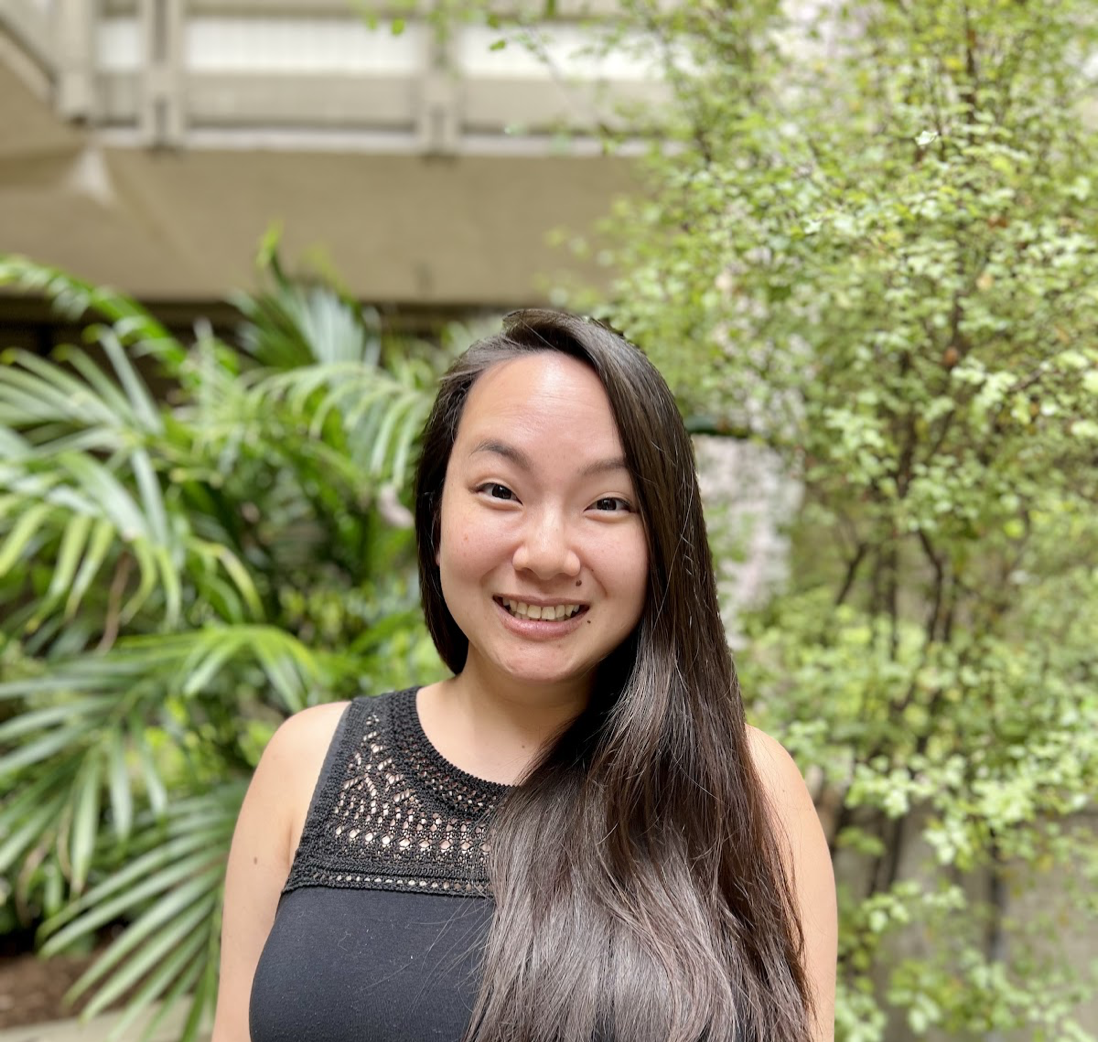
Tiffany Vicencio, LMFTOCD and Anxiety Specialist

Madasen McGrath-Wilson, MA, AMFT, APCCOCD and Anxiety Specialist

Polly Tanaka, MA, LMFTOCD and Anxiety Specialist

Mike Hourigan, MSW, ACSWOCD and Anxiety Specialist
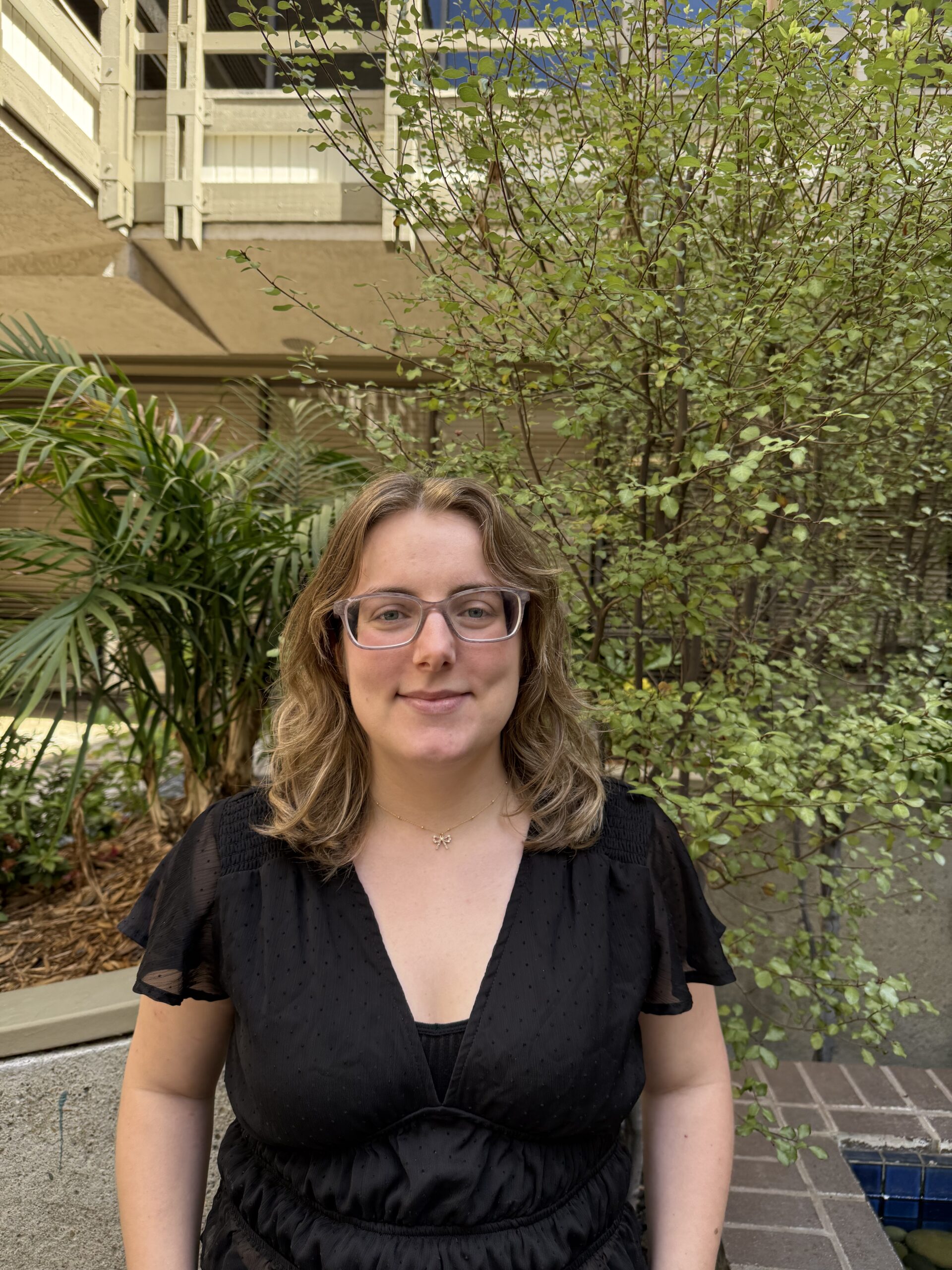
Alyssa Steenbergen, MA, AMFTOCD and Anxiety Specialist
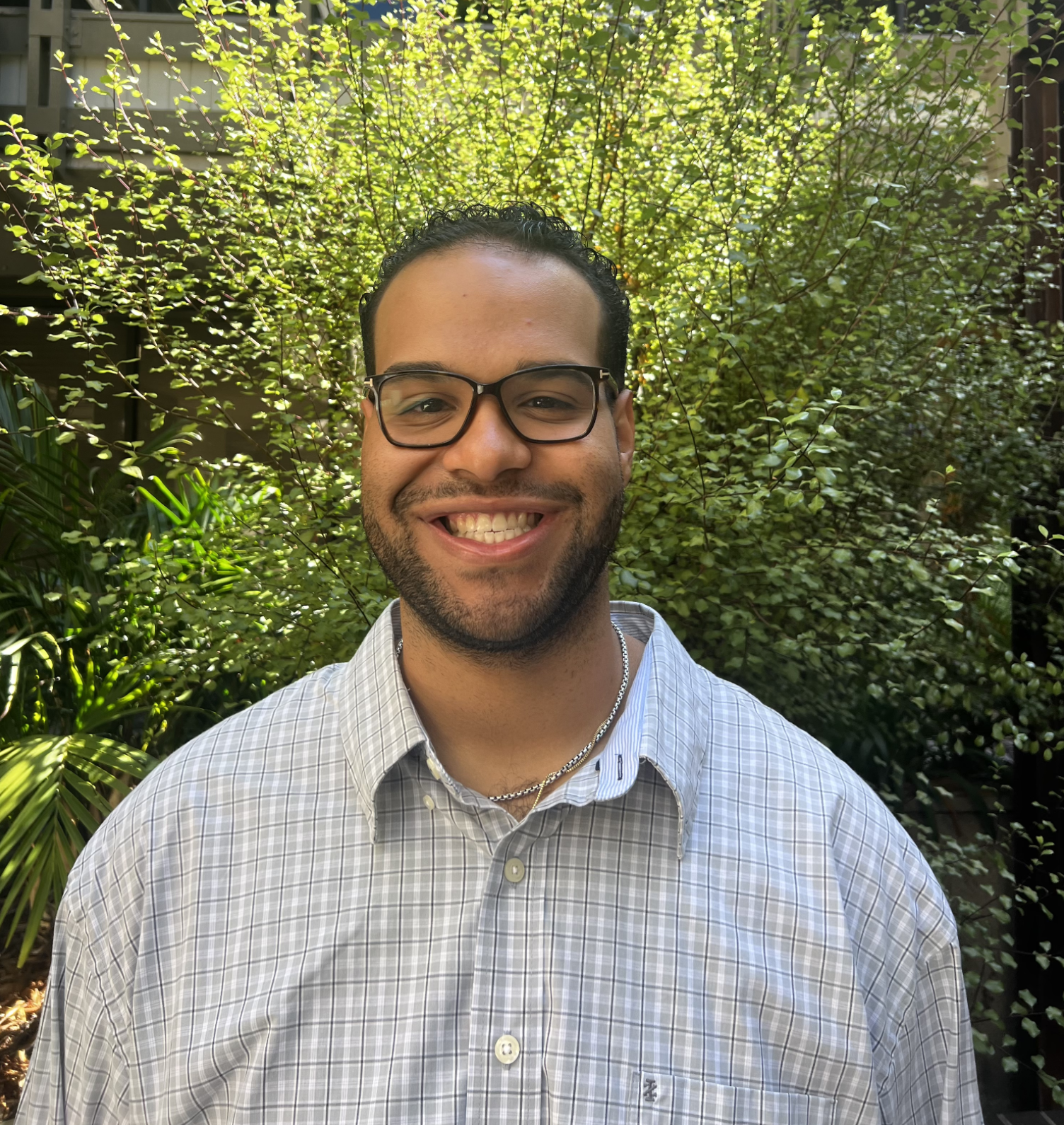
Ronald Burkins, MS, APCCOCD and Anxiety Specialist
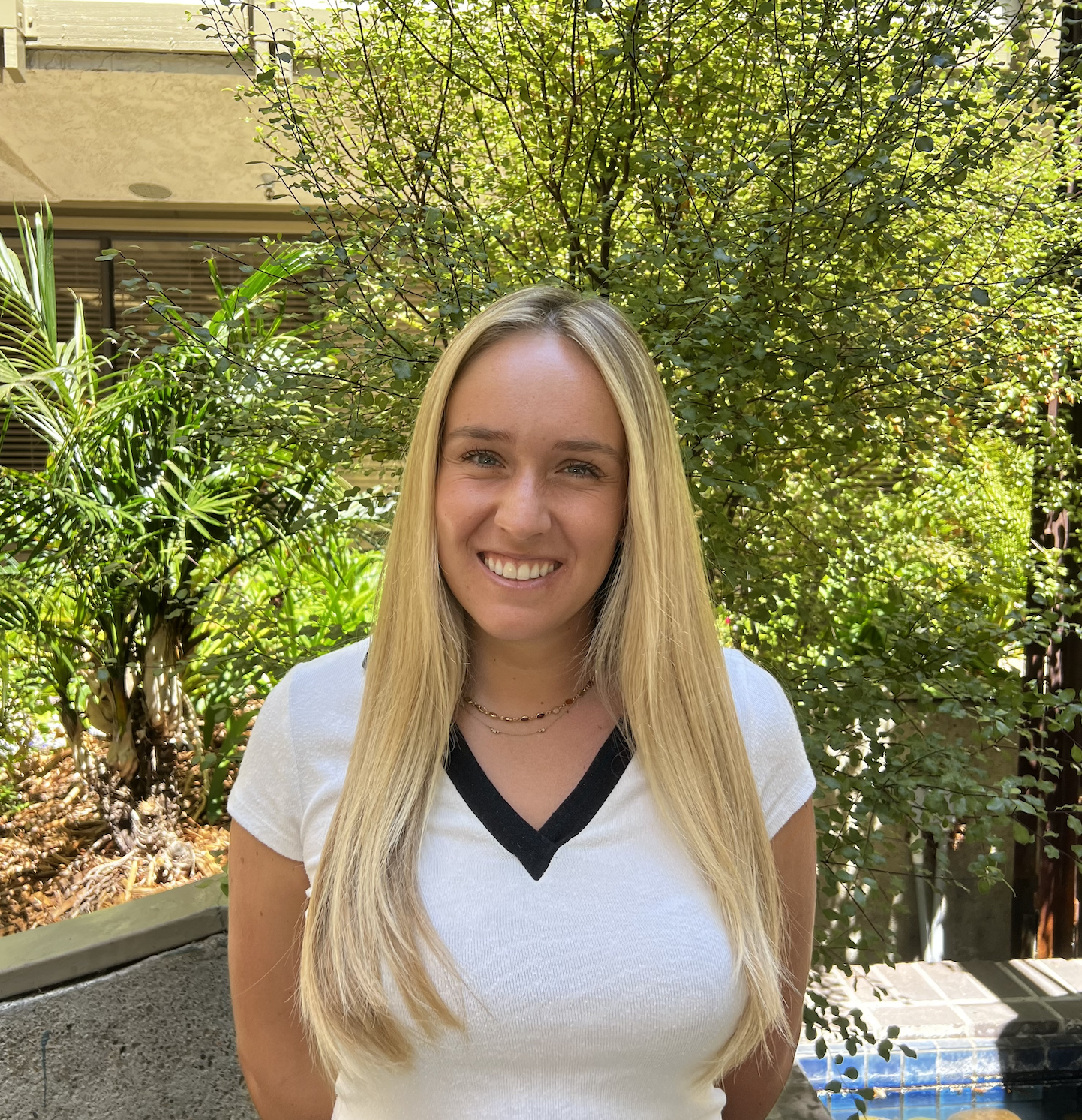
Virginia Beall, MA, AMFTOCD and Anxiety Specialist
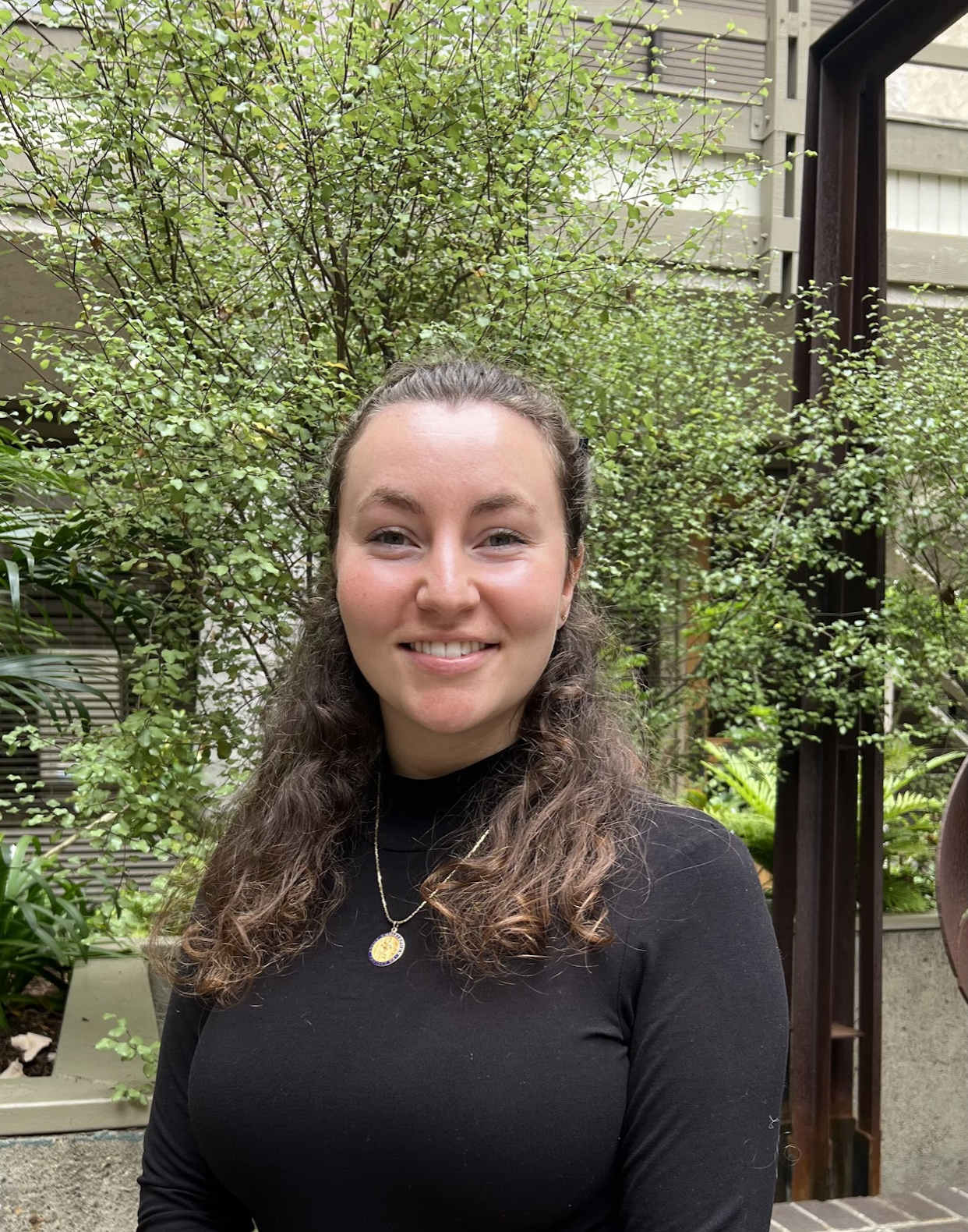
Portia PrayClient Relations Specialist
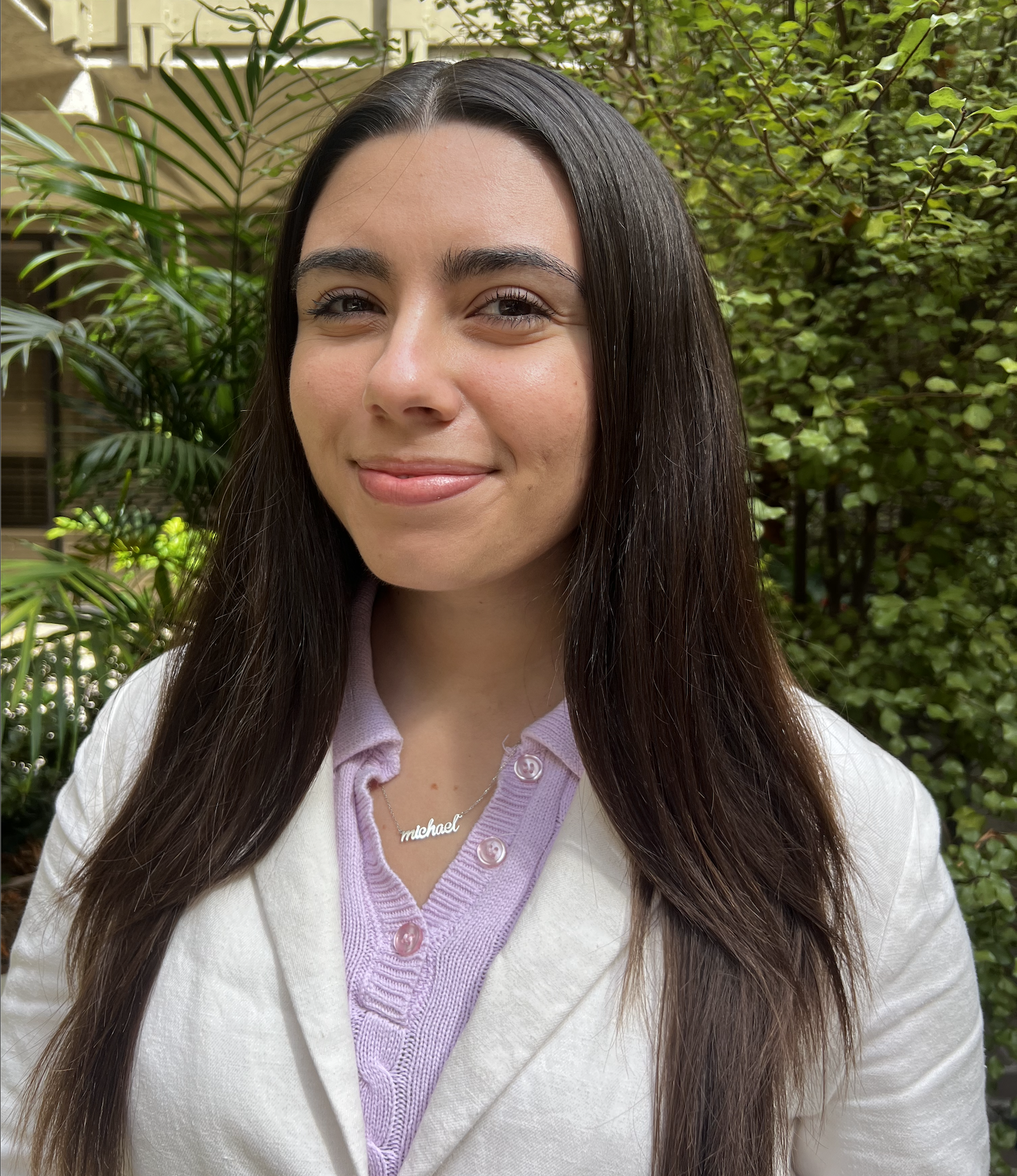
Jessica El MurrClient Relations Specialist
Newport Beach · Orange County · Los Angeles · California
OCD IOP Treatment Across Southern California
The OCD Treatment Center provides intensive outpatient OCD treatment from Newport Beach, supporting adults locally and throughout California who are looking for a more concentrated alternative to weekly therapy.
Orange County: Newport Beach, Irvine, Costa Mesa, Huntington Beach, Laguna Beach
Los Angeles Area: Los Angeles, Long Beach, South Bay, West Los Angeles
Across California: Adults may also travel to Newport Beach for the three-week intensive or discuss available virtual OCD IOP treatment when appropriate.
Our Newport Beach location makes it possible to combine 1:1 OCD treatment, ERP treatment, community exposure work, and real-world practice within one focused three-week program.
For adults comparing OCD treatment options, our team can explain how a 3-week OCD IOP, intensive ERP treatment, and 45 hours of individual OCD treatment differ from traditional weekly therapy or a standard group-based IOP.
MORE THAN ERP™
Brad spent years trying to
understand why the anxiety kept coming back.
Then he started looking at
what happened after the alarm.
The checking. The reassurance. The avoidance. The mental review. The need to feel certain.
That shift became part of the thinking behind the More Than ERP™ Framework.
What Brad Built Differently
8 Things Brad Built Differently at The OCD Treatment Center
After spending more than a decade searching for effective OCD treatment himself, these are some of the principles Brad built into the OCD IOP.
The Difference
45 Hours of 1:1 Treatment
Three focused weeks of scheduled individual treatment instead of spreading the work across months.
The Difference
OCD-Focused IOP Treatment
The program is built for OCD and related anxiety patterns, not a mixed-diagnosis group therapy track.
The Difference
ERP Is the Backbone—Not the Whole Story
Exposure and Response Prevention remains central, supported by the broader More Than ERP™ framework.
The Difference
Hidden Rituals Count
Mental review, reassurance, avoidance, checking, and certainty-seeking become part of the treatment map.
The Difference
Real-World ERP Practice
When clinically appropriate, exposure work can move beyond the office into home and community settings.
The Difference
A Faster Feedback Loop
The clinician can review what happened, adjust the plan, and practice again without waiting another week.
The Difference
Treatment Built Around the Individual Pattern
The exposure hierarchy, assignments, and pacing are shaped around the client rather than a fixed curriculum.
The Difference
Relapse Prevention Before the Intensive Ends
The final stage prepares for what happens next, including maintenance work and transition planning.
Start With a Conversation
You Don’t Need More Therapy Just to Have More Therapy.
If you have already tried treatment, we can talk through what helped, what kept coming back, and whether a three-week OCD IOP treatment with 45 hours of 1:1 OCD-focused work makes sense for where you are now.
Common Questions
Questions to Ask Before Choosing an OCD Intensive.
Is this OCD IOP a group therapy program?
No. This is not a group therapy program. The core intensive is 45 hours of scheduled 1:1 treatment over three weeks—15 hours of individual treatment each week.
The treatment time is centered on your OCD pattern, exposures, response work, and treatment plan rather than being divided across a therapy group. That allows the clinician to adjust the work to what is happening for you instead of waiting for a group curriculum to move to the next topic.
How is the 3-week OCD IOP different from weekly OCD treatment?
The main difference is treatment density. A traditional weekly schedule may provide one appointment and then several days of independent practice before the next session. Our intensive provides 15 hours of 1:1 treatment each week for three consecutive weeks.
That additional treatment time can be used for repeated exposure practice, identifying mental rituals and avoidance, reviewing what happened between sessions, and adjusting the treatment plan without waiting another week. More treatment is not automatically the right answer for everyone; the schedule should match the current clinical need.
Does the OCD IOP use ERP treatment?
Yes. Exposure and Response Prevention (ERP) is a central part of the OCD IOP treatment. ERP is used to help clients face feared thoughts, situations, sensations, and uncertainty while reducing compulsive responses and avoidance.
More Than ERP™ is the broader framework used around ERP treatment to identify mental rituals, reassurance, certainty-seeking, avoidance, safety behaviors, and other response patterns that can keep OCD active. The purpose is not to replace ERP; it is to make ERP treatment more individualized and clinically specific.
What happens during the three weeks?
The program is organized so each week has a treatment job. Early work focuses on mapping the OCD cycle, understanding triggers and meanings, identifying compulsions and mental traps, and building an individualized exposure plan.
The middle of the intensive emphasizes repeated ERP and response-practice work with direct feedback. The final stage carries the work further into everyday life, reviews what still triggers the cycle, and builds a relapse-prevention and transition plan for what happens after the intensive ends.
What if I have already tried ERP or OCD therapy?
Previous ERP does not automatically mean another intensive will be useful, and it also does not automatically rule it out. The important clinical question is what was actually done, what changed, and what kept returning.
We look at whether the prior treatment addressed the full response pattern, whether exposures were practiced consistently, whether mental rituals or reassurance remained active, and whether the weekly treatment schedule left too much of the difficult work to the days between appointments.
How is treatment personalized?
The program is 1:1, so the treatment plan can be built around the client’s subtype, triggers, mental and behavioral compulsions, avoidance patterns, level of interference, previous treatment experience, and goals.
The clinician can adjust the exposure hierarchy, assignments, pacing, and response-prevention work as new information appears. The objective is not to run every client through the same set of exposures; it is to understand how OCD operates for that individual and target the responses that keep the cycle going.
Can treatment include home visits or real-world exposure practice?
Yes, when clinically appropriate and logistically available. OCD often becomes most convincing in the places where the person normally checks, avoids, seeks reassurance, or follows rigid rules, so some exposure work may be more useful outside a traditional office.
For local clients, the treatment plan may include home-based or community exposure work. The location and type of exposure are chosen clinically and are tied to the individual exposure hierarchy rather than used as a standard activity for every client.
How are family members or other support people involved?
Family or support-system involvement can be incorporated when it is clinically useful and the client has provided the appropriate permission. This is especially relevant when reassurance, accommodation, checking, or avoidance has begun to involve other people in the OCD cycle.
The goal is not to turn family members into therapists. It is to help them understand the treatment approach, reduce patterns that may unintentionally reinforce OCD, and support the client’s treatment goals more consistently.
What happens after the three-week intensive ends?
The intensive is designed as a defined treatment period, not as the end of all future support. Before completion, the clinician reviews progress, remaining triggers, likely relapse risks, and the practices that should continue after the daily schedule ends.
Depending on the client, the next step may include returning to a weekly OCD specialist, continuing lower-frequency maintenance treatment, using occasional booster sessions, or coordinating with an existing therapist. The transition plan is individualized rather than automatically placing everyone into the same follow-up schedule.
How do you measure treatment progress?
Progress is not measured only by whether an intrusive thought or anxious feeling still appears. Clinically, it is also important to look at what happens after the thought appears: the amount of compulsive responding, avoidance, reassurance, mental review, functional interference, and the client’s ability to use a different response.
The center also tracks standardized symptom outcomes for clients who complete the intensive. The published outcome summary on this page links to the treatment-outcomes page for the sample, time period, and limitations. Individual results vary.
Do you offer virtual OCD intensive treatment?
Virtual intensive treatment may be available for adults who are physically located in California while receiving treatment. When offered, the schedule preserves the intensive format: three hours of 1:1 treatment a day, five days a week, across three weeks.
Virtual format also requires a private setting, dependable internet, working video and audio, and an environment that can support uninterrupted treatment and home-based practice. Admissions can confirm current availability and whether the virtual format is appropriate for the client’s situation.
How should I compare this program with another OCD IOP or treatment center?
Compare more than the program name. Ask how many treatment hours are actually individual, how much of the schedule is group therapy, whether the program is OCD-specific, how exposures are designed, whether mental rituals and avoidance are addressed, and how often the treatment plan can be adjusted.
It is also useful to ask how real-world exposure practice, family involvement, relapse prevention, and step-down planning are handled. Two programs can both use the term IOP while providing very different amounts of individual treatment and very different treatment structures.
How do I know whether an intensive is the right treatment level?
That decision should be clinical rather than based only on a diagnosis or a preference for faster treatment. Factors can include how much OCD is interfering with daily life, what has already been tried, how often compulsions or avoidance are occurring, whether the person can carry out treatment between weekly sessions, and whether more frequent clinician feedback is likely to be useful.
A three-week IOP may be more treatment than some adults need. In other situations, weekly treatment may not provide enough structure. The admissions conversation can explain the program, and the clinical team can determine whether the intensive is an appropriate fit.
How is More Than ERP™ different from traditional ERP treatment?
Traditional ERP treatment focuses on exposure to feared triggers while reducing compulsive or avoidant responses. That remains a central clinical component of our OCD IOP.
More Than ERP™ expands the treatment map around that work. The framework looks for mental review, reassurance, certainty-seeking, avoidance, identity fusion, safety behaviors, and other patterns that may interfere with ERP treatment. It can also incorporate ACT, CBT, mindfulness-informed strategies, real-world exposures, family support work, and relapse-prevention planning when clinically appropriate.
How many hours of individual OCD treatment are included in the IOP?
The three-week OCD IOP includes 45 scheduled hours of 1:1 OCD treatment—15 hours each week. The intensive is structured around individual treatment rather than a standard group-therapy block.
Those treatment hours can be used for assessment, psychoeducation, ERP treatment, response prevention, real-world exposure practice, reviewing assignments, adjusting the exposure hierarchy, and planning for the transition after the intensive.