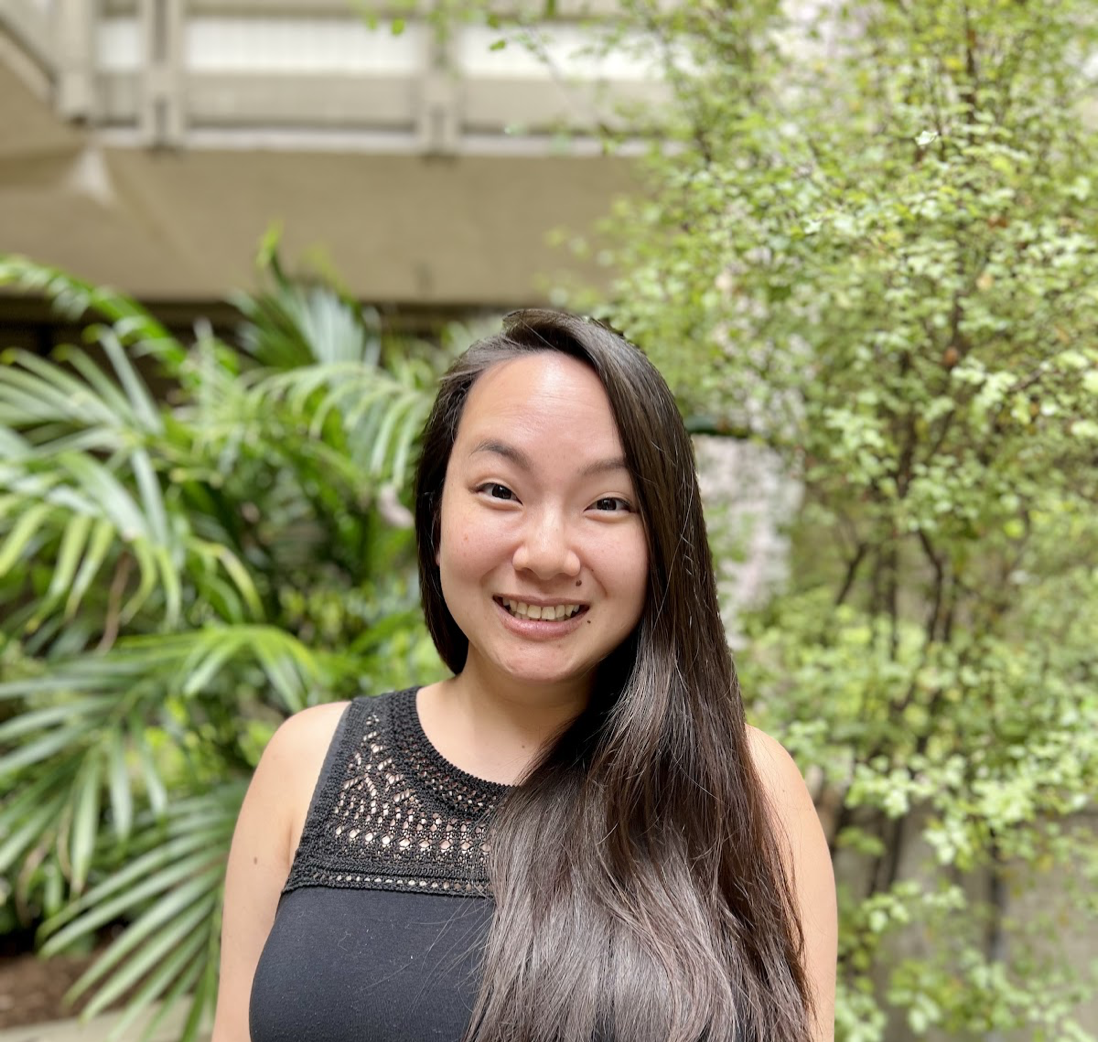
Tiffany Vicencio, LMFT
Master’s degree in Clinical Psychology from Pepperdine.
If weekly therapy has not been enough, anxiety keeps narrowing daily life, or panic and avoidance keep returning, The OCD Treatment Center can help you understand whether a more structured severe anxiety program is the right fit.
Brad Wilson founded The OCD Treatment Center after a decade treating severe anxiety, panic, and the OCD-related fears that often travel with it. He built the More Than Exposure™ framework to do what weekly therapy rarely manages: pull people out of the loop, and keep them out.
Master’s degree in Clinical Psychology from Pepperdine.
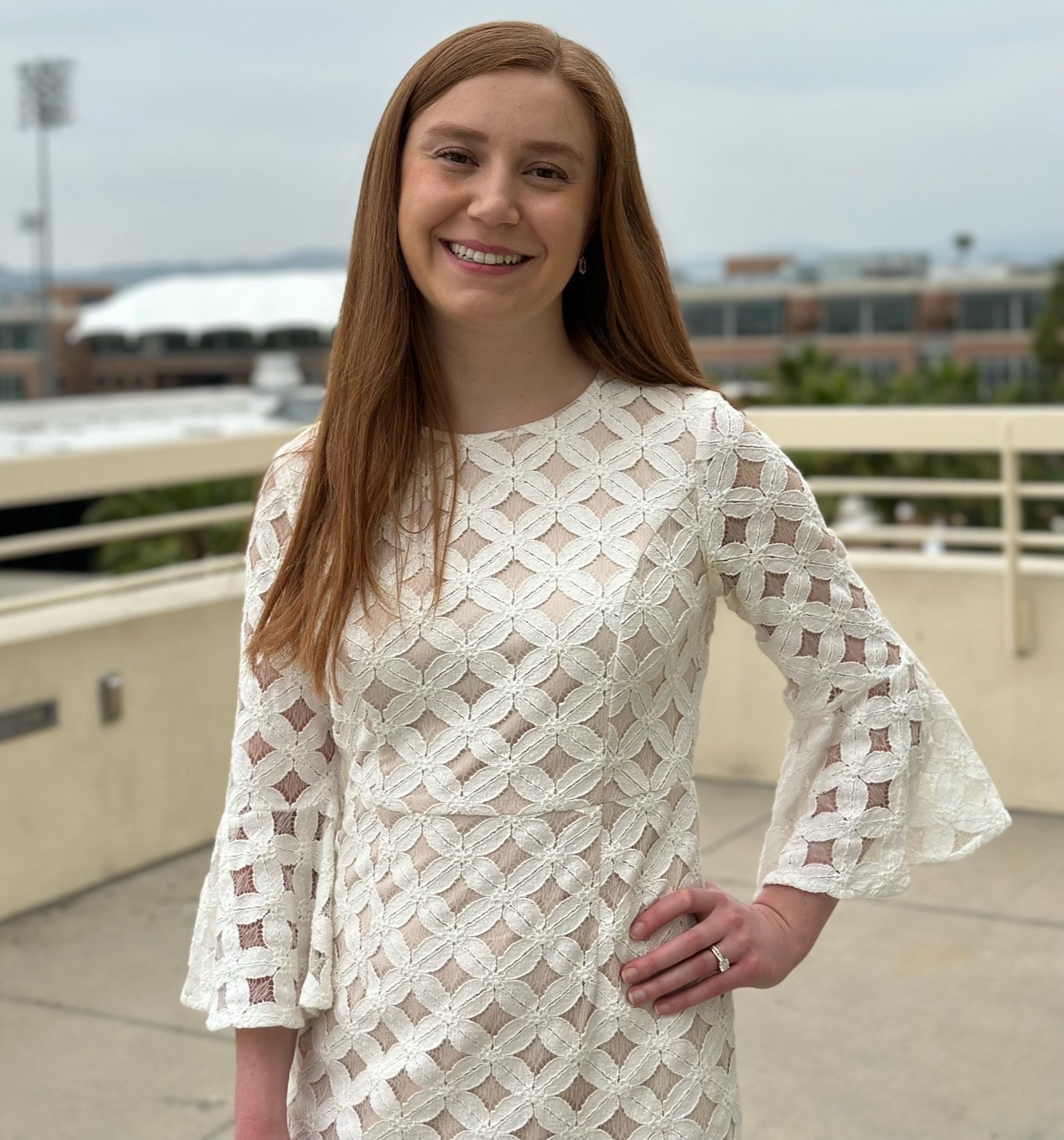
Master’s degree in Marriage and Family Therapy from Chapman University.
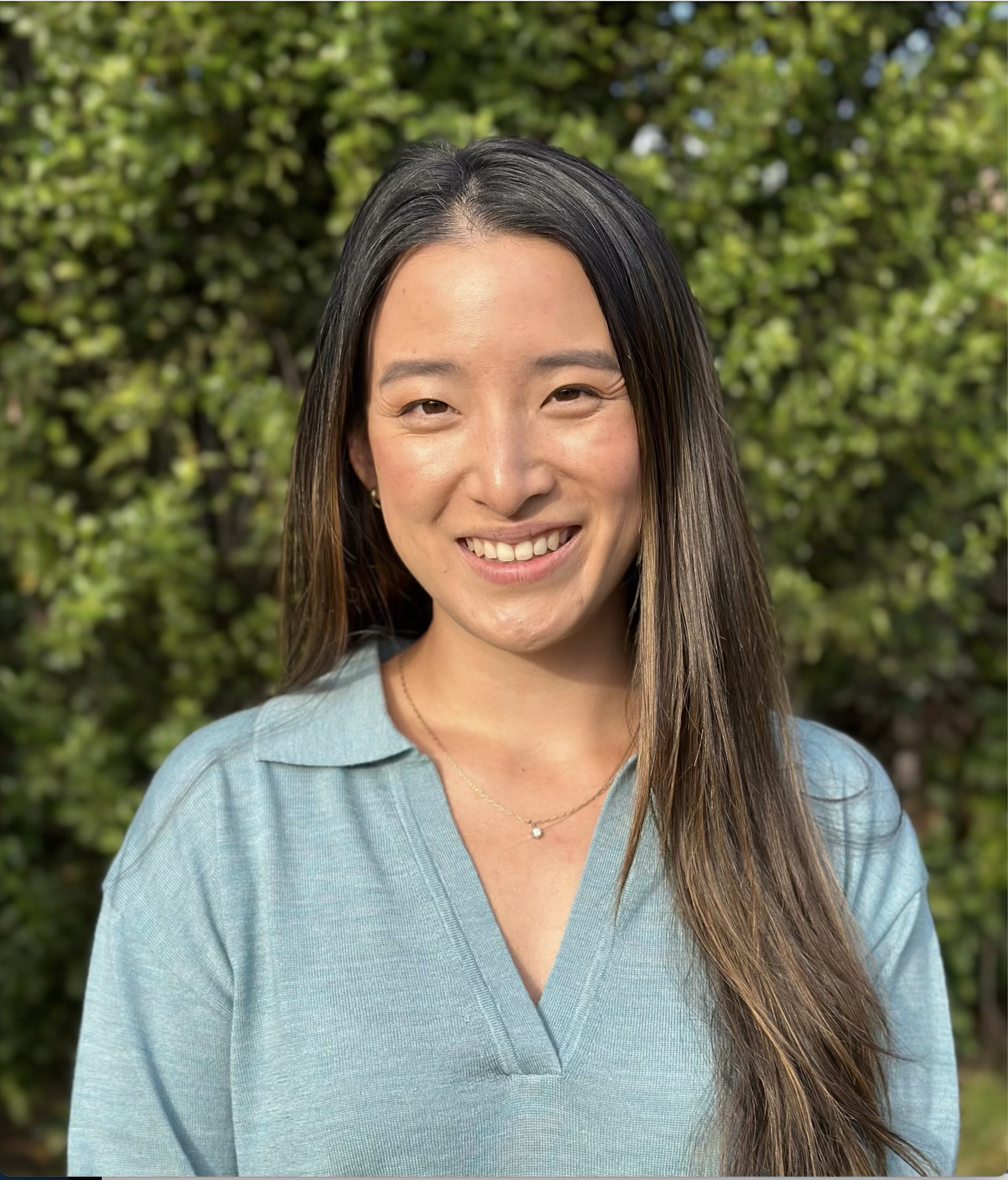
Master’s degree from Azusa Pacific University; undergraduate study in Neuroscience at USC.

Master’s degree in Social Work from Ohio State University.
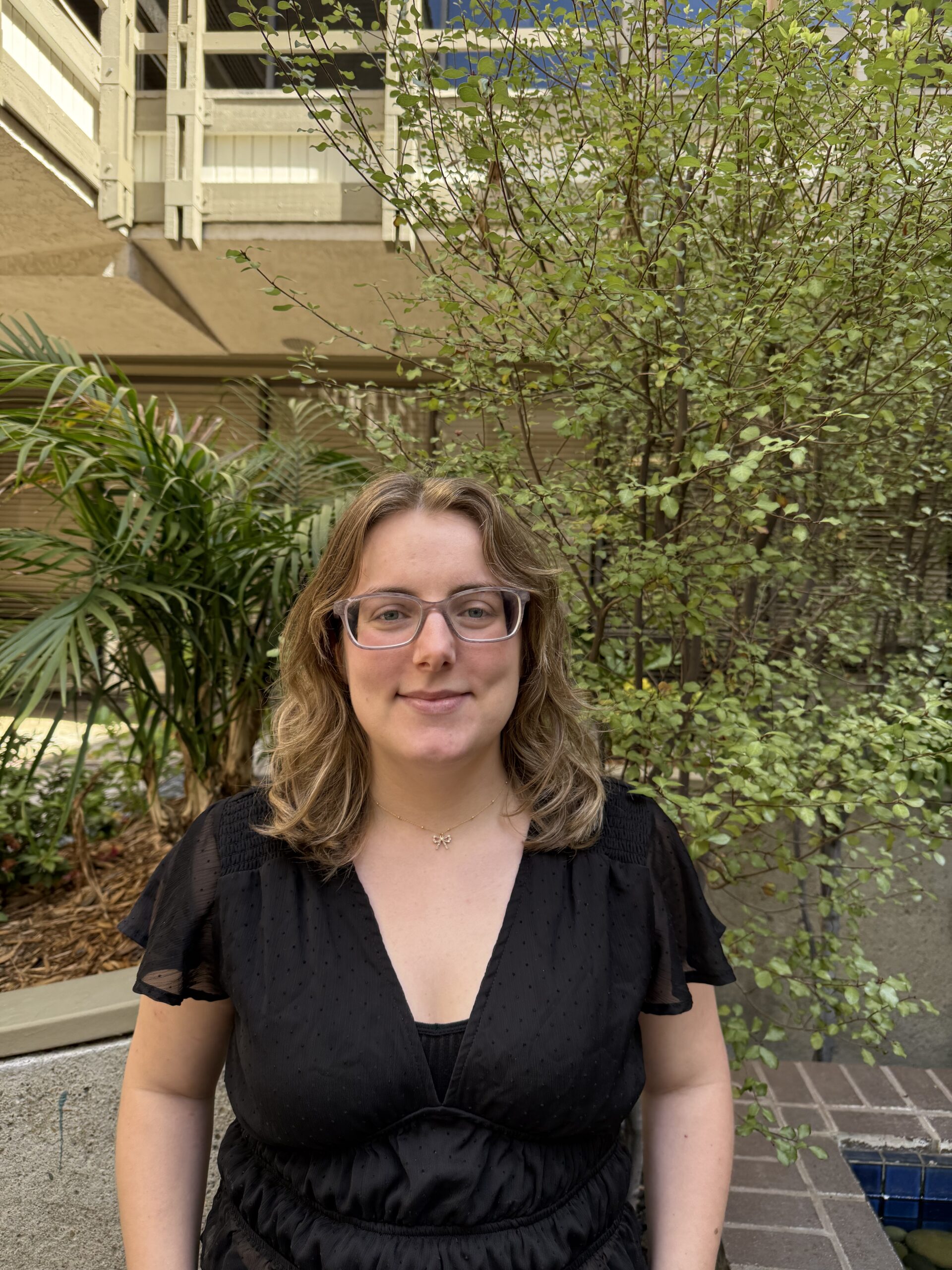
Master’s degree from Hope International University; undergraduate degrees from UC Davis.
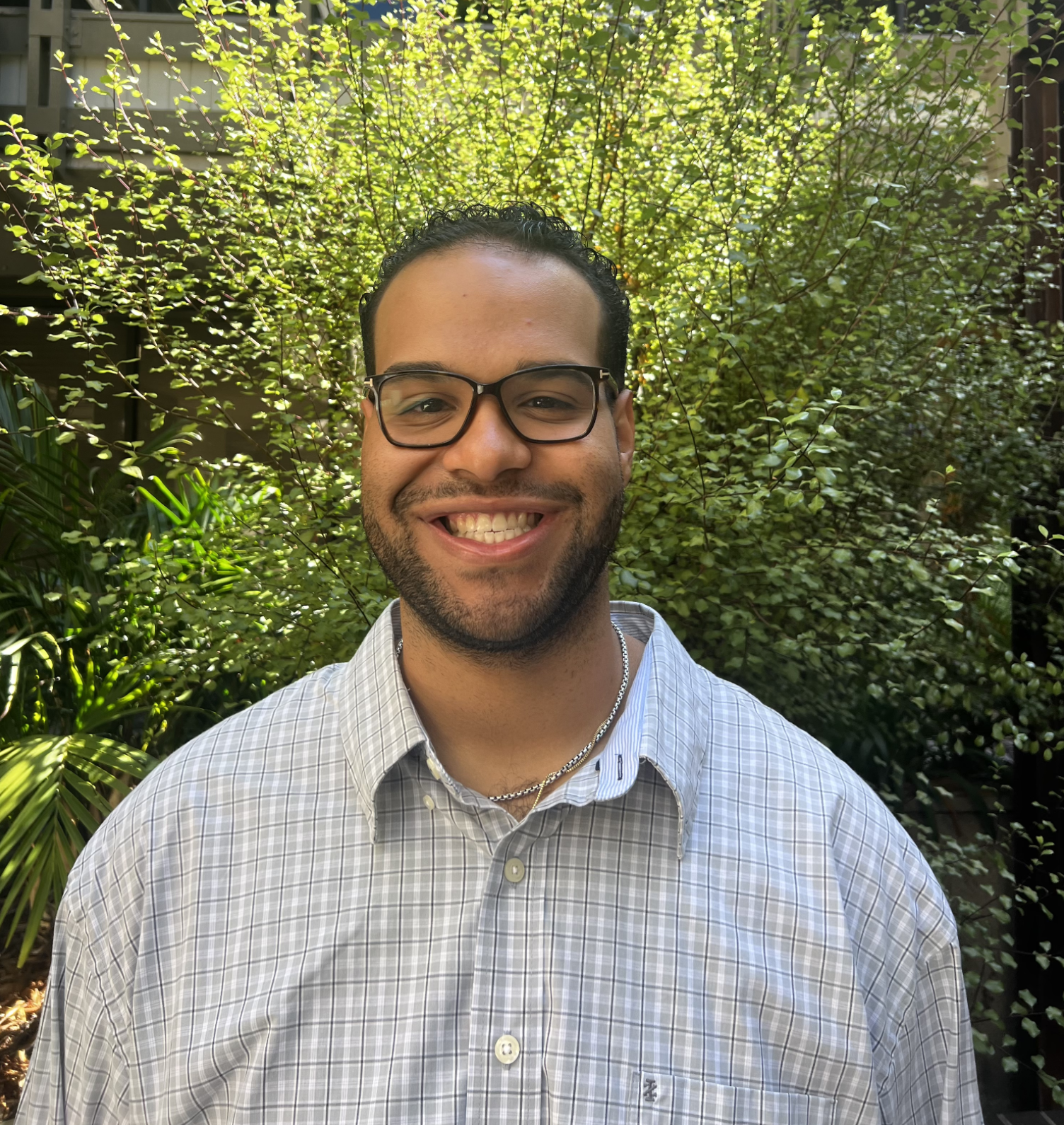
Master’s degree in Clinical Mental Health Counseling from the University of Pittsburgh.
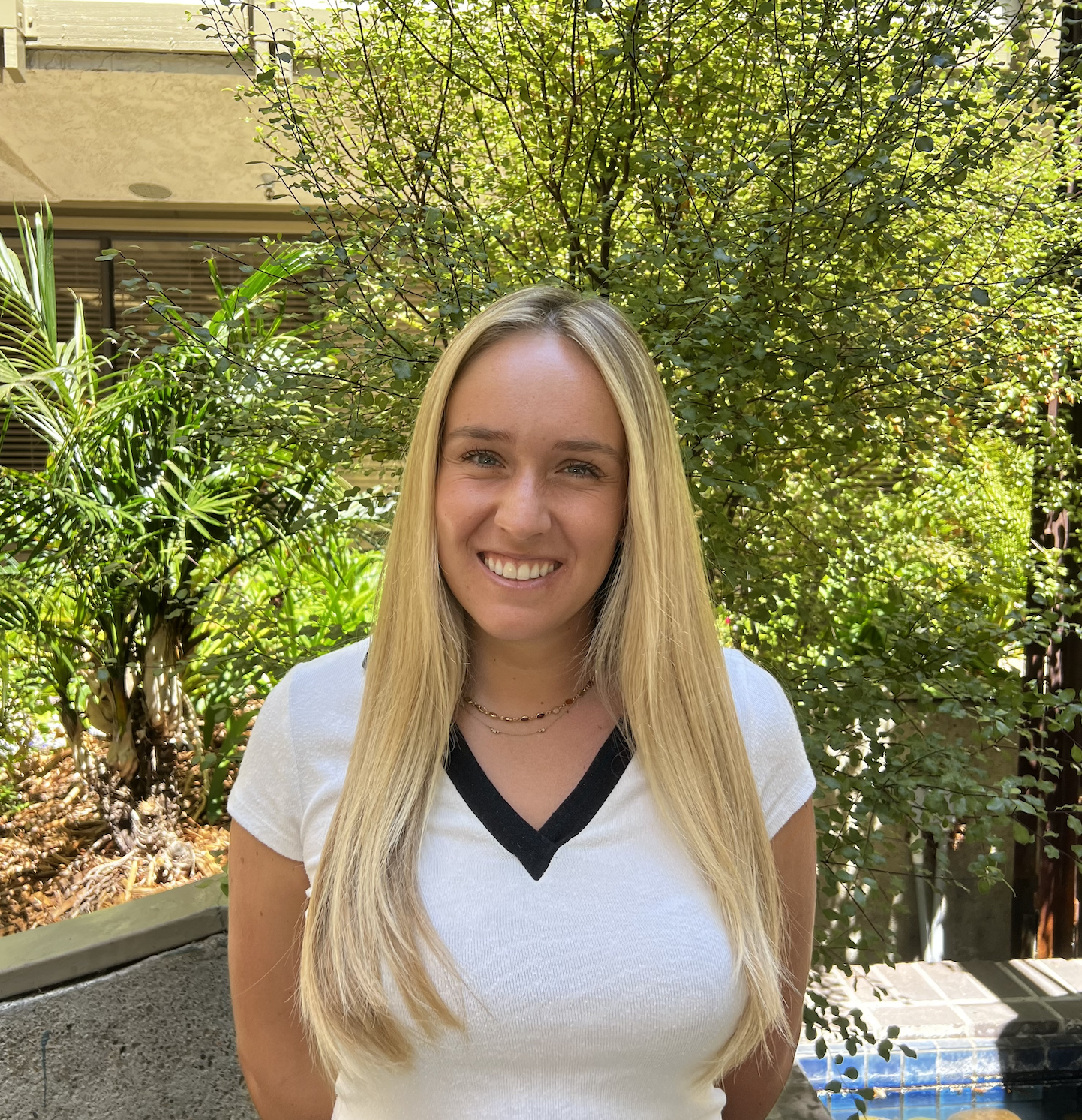
Master’s degree in Clinical Psychology from Pepperdine University.
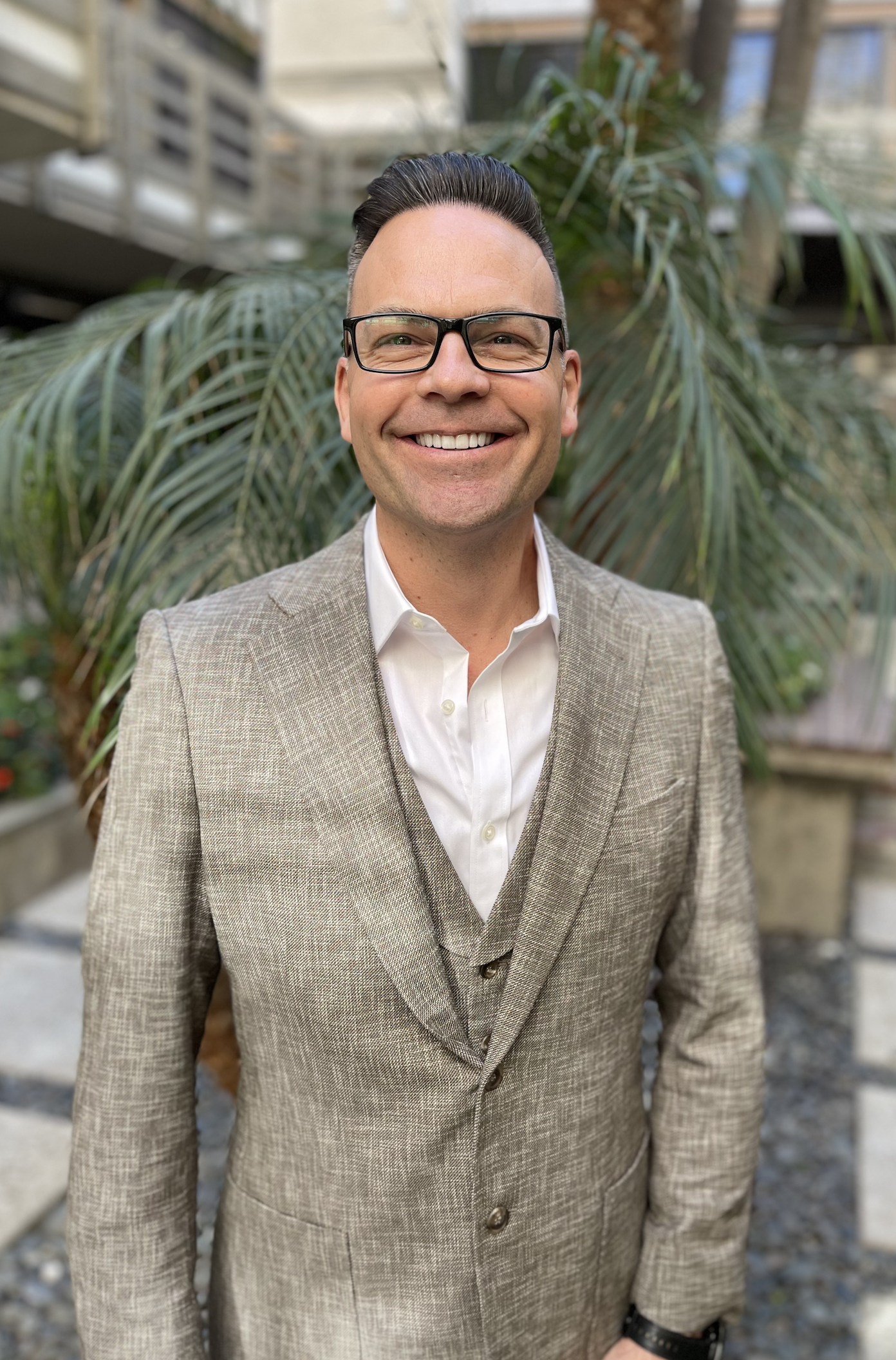
Master’s degree in Counseling Psychology from National University.
Across dozens of five-star reviews, one phrase comes up again and again:
Within days of treatment with him, she was a different person.
“Within days of treatment with him, she was a different person. The understanding, tools and one-on-one support he gave her during the process made all the difference. Brad taught the entire family the tools we needed to manage her OCD. She now has a great job as a medical assistant and will be getting her bachelors degree soon. She is currently only on a very low dose of one medication, and is weaning off of that one.”
Within 5 days, he was officially out of the OCD cycle.
“Our son was so nervous and did not believe that this therapy would help him. Within 5 days, he was officially out of the OCD cycle which allowed Brad time to work on relapse prevention and depressive symptoms. Brad’s kind, empathetic, understanding and relatable personality was the key to this therapy working. He made a wonderful connection with our son to ensure he felt safe so that he could trust him. I could not recommend Brad’s intensive therapy program more highly for anyone who is severely impacted by the OCD cycle. I will be forever grateful for all that he has done for our son and for our family.”
My OCD does not run my life anymore, I do!
“I could write a book about all the ways in which Madasen, Brad, and the The OCD Treatment Center genuinely changed my life and actually gave me my life back. OCD and compulsions were taking up 8+ hours of my day and now I am pretty much compulsion free!!! I got my power back and all the work we did helped me realize I have a choice in the matter. My OCD does not run my life anymore, I do!!”
Severe anxiety rarely shows up alone. Most of our clients arrive with panic, intrusive worry, OCD, depression, or trauma stacked on top of the anxiety itself. You do not need a clean diagnosis to belong here.
Most visitors do not need another generic explanation of anxiety. They need help deciding whether their current level of support is strong enough, whether intensive care is too much, or whether it is exactly the kind of structure they have been missing.
Sessions may help in the moment, but the anxiety returns between appointments and keeps rebuilding the same loop.
Driving, sleep, work, school, relationships, social life, travel, or normal routines are being shaped around anxiety.
Racing heart, shortness of breath, dizziness, nausea, trembling, or panic sensations keep pulling you back into fear.
You have read the symptoms, compared providers, and still feel unsure whether your anxiety is serious enough.
You do not want to be pushed into treatment. You want a clinician to help you understand what level of care fits.
You do not have to diagnose your own severity before reaching out. A short call can help clarify whether this severe anxiety program, weekly therapy, or another path makes the most sense.
Still not sure what fits? Talk it through with a clinician before you keep comparing pages.
Check My Treatment Fit →If you have already tried therapy, compared options, and still feel stuck, the next step is not more information. Start with the decision question that is keeping you from reaching out.
Of 26 weeks of weekly sessions — the rest of the time (between sessions), the anxiety runs unopposed.
One-on-one clinician time, Monday–Friday, over 3 weeks. Continuous learning, no "reset" between sessions for severe anxiety.
Our intensive delivers more therapy hours in 3 weeks than your current path does in 6 months.
Answer honestly about your past or current weekly therapy. We'll show you what it was — and what it wasn't.
Each one is a known reason weekly therapy fails severe anxiety. Here's what was happening — and what our program does differently.
Your past therapy wasn't wrong — it was incomplete. For severe anxiety, the specific ingredients that move the needle are the ones you did not get. That's exactly what our program is built to deliver.
A 20-minute call with one of our clinicians — not a salesperson or intake coordinator — is the first step. We will listen to what is happening, help you understand whether intensive severe anxiety treatment fits, walk through next steps, and answer your questions clearly.
No pressure. No commitment. Just a real conversation with someone who treats severe anxiety every day, so you can get clarity without having to solve this on your own first.
Tell us what you're struggling with, how long it's been this way, and what treatment (if any) you've tried.
If our intensive is the right fit, we'll say so. If weekly therapy would serve you better first, we'll say that too.
Reaching out does not lock you into treatment. It is simply a conversation to help you understand what makes sense for your situation.
Many people who reach out start with the same sentence: "I don't know if I'm the right fit for this." Sometimes they're not sure if their anxiety is severe enough. Sometimes they've been through so many therapists they don't trust a new one yet. Sometimes they just don't know what they're looking at anymore.
The free 20-minute consultation is designed for that exact place. A clinician will ask what you are going through, help you make sense of it clinically, and tell you honestly what they think would help most.
That might be our intensive. It might be weekly therapy first. It might be a different provider entirely. You will not be pushed toward any of them. The whole point is clarity, not commitment.
You don't need a diagnosis, a treatment history, or a clear description of your symptoms. A vague "something isn't working" is enough to start.
Part of the call is helping you understand what you're dealing with — whether it is severe anxiety, OCD, panic, health anxiety, or something else that needs a different kind of support.
Whether it's our intensive, weekly therapy, or a referral to someone better suited — you'll leave the call with a concrete next step, not more uncertainty.
When anxiety or OCD starts taking over more of daily life, the hardest part can be knowing what kind of help is actually needed. Our treatment center helps adults and families understand their options, explore whether more structured treatment may fit, and take the next step without pressure.
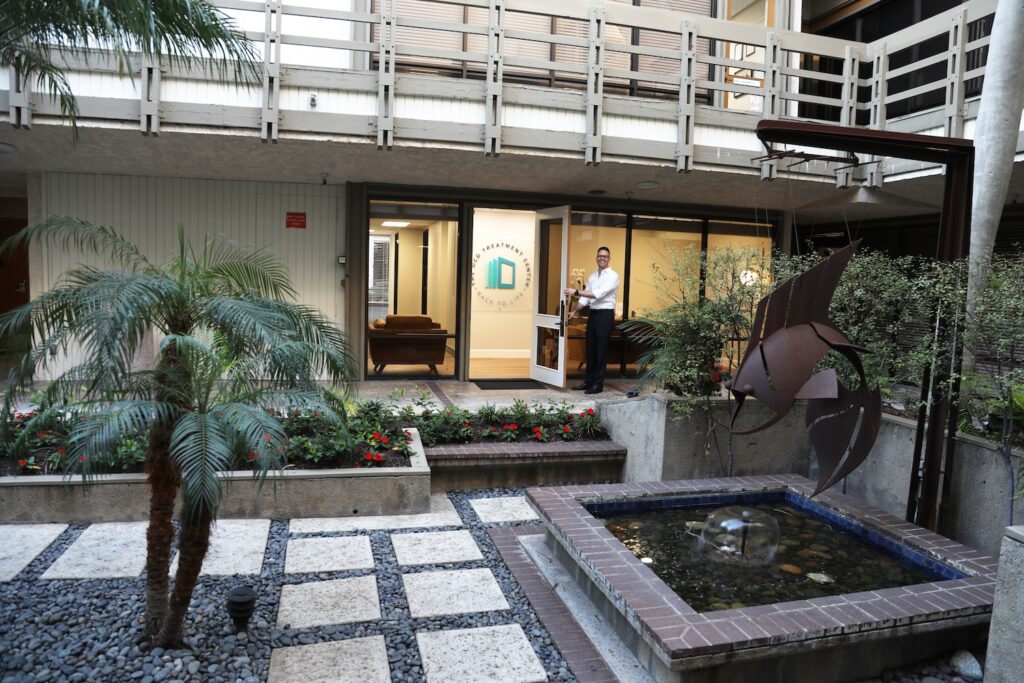
We integrate exposure work with cognitive therapy, ACT, I-CBT, and somatic regulation so treatment is not only intensive, but also more complete. For many people, the problem is not that they never tried therapy. It is that the care they received was never built around severe anxiety in the first place.
Evidence-based, anxiety-specific treatment. We stay focused on the loop itself instead of treating anxiety like background noise.
More than standard CBT alone. We bring in the added tools that help treatment go deeper and hold longer.
If you have been comparing options and still feel stuck, that usually does not mean you need to read another page. It usually means you need a clearer conversation. Call now or request a consultation and we will help you sort out what fits.
If this sounds closer to what you need, the next step is a short clarity call, not another hour of research.
Call (949) 398-8350 →For people living with severe anxiety — the kind that standard weekly therapy has failed to touch — our 3-week intensive produces the kind of relief most clients had stopped believing was possible.
On the validated clinical scales used to measure anxiety severity, our clients' symptoms drop by an average of 80% by the end of the program.
In plain terms: people who arrive unable to drive, leave the house, or sleep through the night typically leave able to go to work, be with their families, and live their lives again.
Individual results vary. A personalized assessment at intake will give you a realistic picture of what recovery can look like for you.
Want to know what this could look like for you? A clinician can help you understand fit and next steps.
Talk Through My Treatment Options →Most clinics treat severe anxiety like everyday stress. Most weekly programs depend on one session a week and ask you to face the hardest situations on your own between appointments — which is exactly where the anxiety usually regains control.
Severe anxiety needs anxiety-specific treatment delivered with far more structure, repetition, and clinical depth than weekly care can provide. We treat severe anxiety at the intensity the loop actually requires.
That looks different in practice. Sessions happen daily, not weekly. Exposure work happens in the room, not as homework. Body symptoms are treated as part of the loop, not background noise. And the people around you get trained alongside you, so the environment stops feeding the cycle the moment you walk back into it.
Every clinician on our team specializes in severe anxiety and the OCD-related fears that often travel with it. That matters because severe anxiety often looks confusing in general therapy — and precision is what helps treatment finally move.
45 hours of one-on-one intensive care delivers a level of repetition and momentum weekly therapy usually cannot match. No long resets between sessions. No handing the hardest work back to anxiety for six more days.
CBT is a foundation, but for severe anxiety it is rarely enough on its own. We integrate exposure work, Acceptance & Commitment Therapy, Inference-Based CBT, and somatic regulation so treatment is not only intensive — it is more complete.
Well-meaning reassurance from loved ones is one of the strongest forces keeping severe anxiety in place. We train the people around you to become supportive allies — so the environment around you stops feeding the loop.
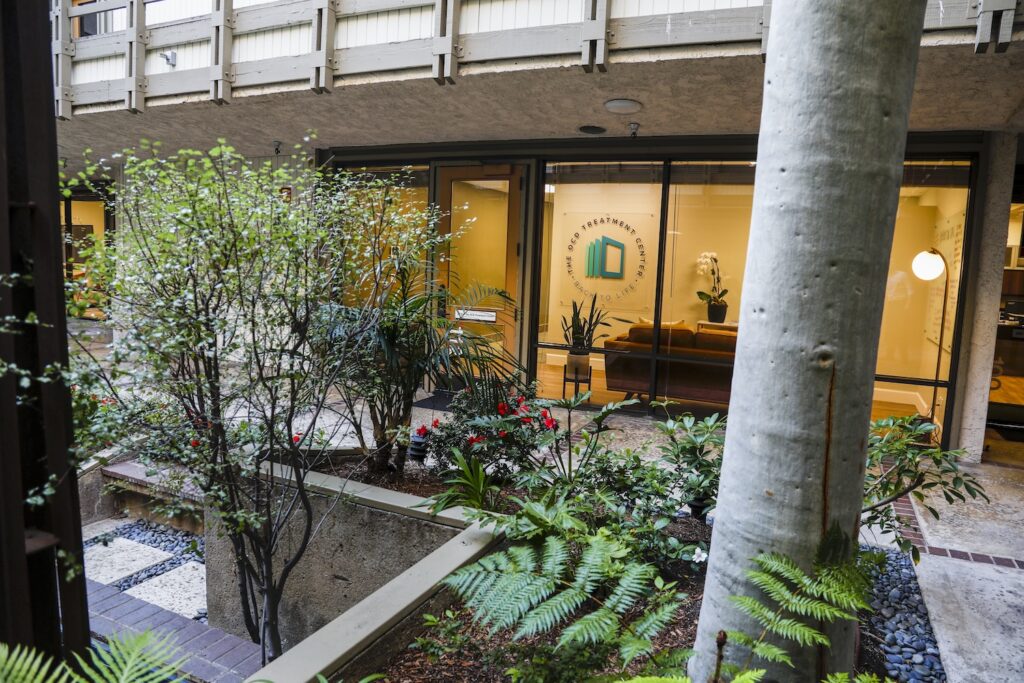
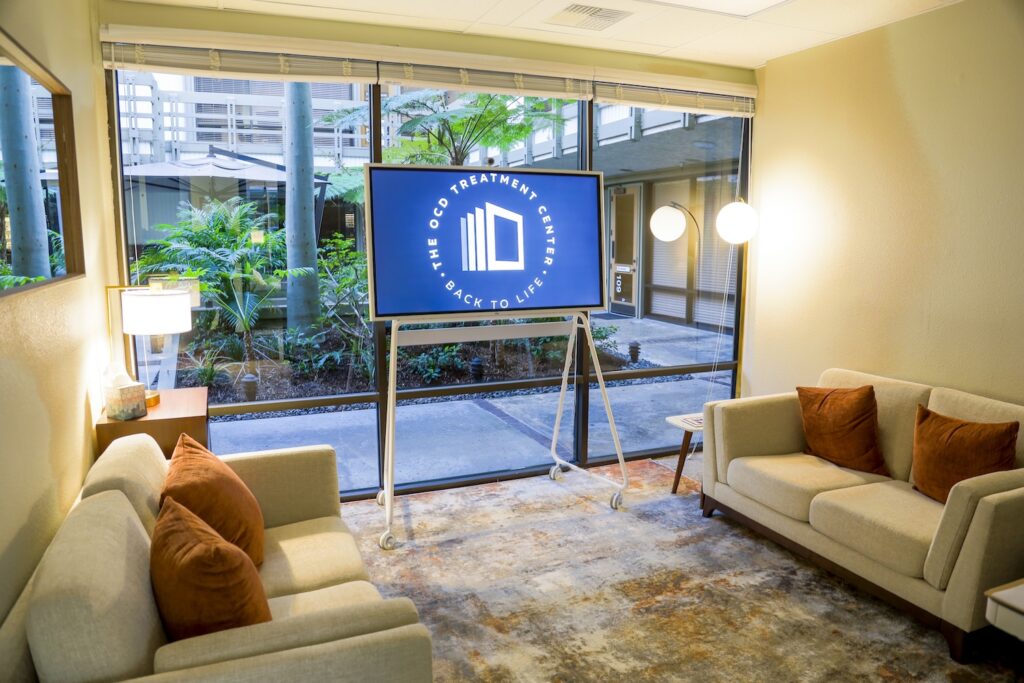
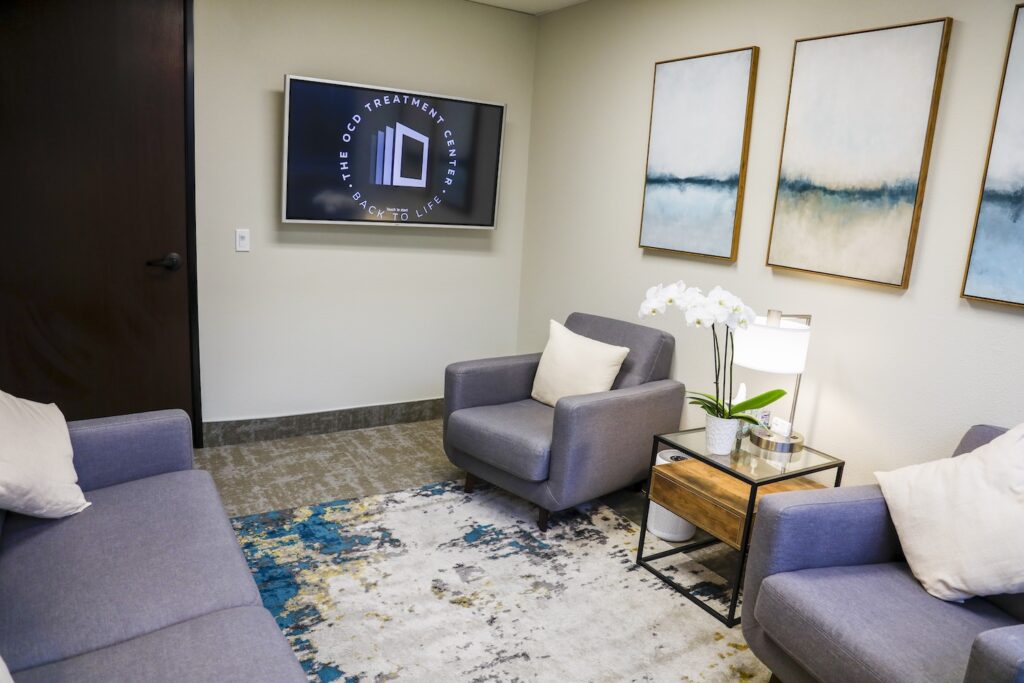

A clinical space built for the hardest work of your life.
Many people who reach out to us are not starting from zero. They are reaching out after generic therapy, poorly supported exposure work, too much reassurance, or treatment that never really understood severe anxiety in the first place. This section is here to answer the most common late-stage fear directly: what makes this different from the things that already did not work?
A lot of people reach out after working with caring therapists who treated anxiety like everyday tension. When that happens, treatment often misses the avoidance, the body symptoms, the reassurance loop, and the way severe anxiety keeps changing shape from week to week.
Every clinician on our team treats severe anxiety as the specific clinical pattern it is. That means understanding panic, avoidance, body scanning, reassurance behaviors, and the difference between brief relief and real recovery.
Exposure can feel intense at first. But when it feels like punishment, the issue is rarely the method. It is the pacing, support, and structure around it. Many people were pushed too fast, left alone with the hardest work, or never shown how to stay in the process without flooding.
We do not treat exposure like "just push harder." We structure it carefully, pace it clinically, and support clients through the discomfort so the work stays challenging without becoming overwhelming.
In general therapy, more answers can sound helpful. In severe anxiety treatment, repeated reassurance often becomes another safety behavior. It calms the moment, but it strengthens the loop underneath and teaches the brain to keep returning for certainty.
Our work is built around tolerance for uncertainty, not feeding the loop. We help clients sit with the unanswered questions directly, and we train families to stop becoming accidental participants in reassurance rituals.
Many people spend months or years in thoughtful therapy that never directly targets the anxiety loop. It becomes coping skills, conversation, or broad CBT around the edges while the avoidance, body symptoms, and worry pattern stay intact.
This program is built for severe anxiety that needs more than weekly discussion. We combine specialized exposure work with ACT, I-CBT, somatic regulation, repetition, and clinical depth so treatment does not stay generic.
Severe anxiety often shows up first in the body — racing heart, shallow breath, lightheadedness, gut symptoms, chronic tension. When a provider treats this as background noise to the "real" cognitive work, clients leave feeling dismissed and the nervous system never gets retrained.
We treat the body as part of the loop, not a side effect of it. Interoceptive exposure, somatic regulation, and structured practice with sensations help the nervous system learn that physical activation is safe — which is often where lasting change begins.
Some programs feel rigid because they are built around the program first and the person second. That leaves people feeling managed, but not understood — especially when triggers, body responses, and avoidance patterns are not mapped carefully.
We tailor treatment to your specific anxiety pattern, body responses, avoidance behaviors, and the places your life has narrowed. The goal is not generic compliance. It is targeted treatment that fits the actual loop keeping you stuck.
You do not need to decide anything yet. Start here. The next section explains why severe anxiety often needs more support than standard weekly care.
A weekly session may still be good therapy. For severe anxiety, though, one hour a week often cannot compete with the rest of the week reinforcing the same loop. The issue is not always effort; often, it is format.
Three hours of structured exposure and cognitive work every weekday for three weeks keeps the nervous system in a more continuous learning process. New responses have time to hold before old patterns regain momentum, which is why intensity can matter in severe cases.
Most people who land here have already read articles, symptom lists, Reddit posts, and treatment pages. Severe anxiety turns all of that into one more attempt to feel certain before taking action.
That is why the next page rarely helps. The loop just changes shape. If this page feels uncomfortably accurate, you already have enough to talk to us.
You can stop here and take the next step now.
Call About My Anxiety Fit Now → Check My Treatment FitIf you are reading this, you have probably already done the research for "IOP vs PHP". You have probably already read articles that all say the same vague things.
For severe anxiety, the right answer almost never starts with PHP. It almost always starts with the right kind of IOP. And the kind matters more than you think.
Here is why.
PHP is a medical level of care. It exists for the moments right after a hospital stay, or the moments where someone is so destabilized that they need near-daily psychiatric oversight, medication management, and clinical containment. It is real, useful, and important — for the people who actually need it.
Most people with severe anxiety are not those people.
IOP is the level of care designed to retrain the brain — not stabilize a crisis. The dose is intense enough to break the loop. Short enough to keep you in your real life, your real bed, your real environment, where the anxiety actually lives. And — this is the part most people miss — built around ERP and exposure work, not around hours of group processing and medication checks.
For severe anxiety, that distinction is everything.
So now the real question. Why does IOP usually win? And more specifically why does the kind of IOP we run at The OCD Treatment Center upstage even most other IOPs?
Two reasons. Both of them matter.
Here is something almost no one will tell you out loud: most PHP programs spend the bulk of their hours on group therapy, psychoeducation, mindfulness, journaling, coping skills, and medication management. All of that has its place. But none of it is the active ingredient for severe anxiety.
The active ingredient is exposure. Specifically — graded, repeated, structured exposure to the things, sensations, and situations the anxiety has trained you to avoid. That is what teaches the nervous system, in real time, that the alarm is wrong.
You can sit in a PHP day room for six hours discussing your anxiety. Or you can spend three structured hours doing the actual work that rewires it. Guess which one moves the needle.
Severe anxiety does not need more talking about the loop. It needs repeated, structured contact with the loop — under expert guidance — until the loop loses its grip.
Anxiety does not live in a treatment room. It lives in your kitchen at 7am. It lives on the freeway you have stopped driving. It lives at the grocery store, the airport, the dinner table, the bedroom, the doctor's office, the conversation you keep avoiding.
PHP locks you into a clinical setting for most of the day. By the time you go home, you are tired, the day is over, and the real-world environments that actually trigger your anxiety go untouched. The loop rebuilds overnight.
IOP does the opposite. Three focused hours of intensive work. Then you go home. Every single day, you are practicing the new responses in the exact environments where the old ones were trained.
This is how change generalizes. This is how it lasts. PHP cannot replicate it — because PHP was never built for it.
Our IOP is built from the ground up around exposure as the active ingredient. Every clinician on the team is an anxiety and OCD specialist. Every day is structured around the work that actually moves severe anxiety: exposure, response prevention, interoceptive work, cognitive restructuring, ACT, somatic regulation, family integration. In that order of importance.
That is why families fly into Newport Beach for our 3-week intensive instead of enrolling in a PHP twenty minutes from home. They are not paying for a level of care. They are paying for the right kind of care.
In the spirit of being straight with you, here is when our IOP is probably not the right next step:
But if you have been doing weekly therapy, stuck in the same loop for months or years, and the last thing you need is another year of slow progress while life narrows around your anxiety — that is exactly who this program was built for.
The 20-minute consult is free. The conversation is honest. If our IOP is not the right fit, we will tell you that — and point you to what is.
P.S. If you are still on the fence between IOP and PHP for severe anxiety, the call itself will probably make the answer obvious within five minutes. Most people walk into this decision overwhelmed. Most people walk out of the call with clarity. That is the entire point of picking up the phone.
The difference is not just that we treat anxiety. It is the intensity, specialization, and structure. Cognitive and exposure work form the foundation. Then we layer in components that help change last.
Graded exposure to feared situations, sensations, and outcomes — taught in vivo and brought into the environments where anxiety actually fires.
Acceptance and Commitment Therapy builds psychological flexibility so you can act on what matters to you, not on what fear demands.
Identifying and dismantling the catastrophic predictions, threat overestimation, and inferential errors that give severe anxiety its grip.
Family accommodation quietly maintains severe anxiety. We train loved ones to become allies in recovery, not accidental enablers.
You do not have to know the exact type of anxiety before you ask for support. But if your symptoms take a specific form, the next section may help you feel more clearly understood without needing to sort it all out alone first.
Severe anxiety is not just "feeling nervous." It can show up as constant worry, panic, dread, avoidance, trouble sleeping, difficulty concentrating, racing heart, shortness of breath, sweating, trembling, nausea, muscle tension, dizziness, tingling, or the sense that danger is nearby even when nothing obvious is happening.
Generalized anxiety often feels like a mind that cannot stop scanning for the next problem. Worry can move from work to health, family, money, and the future. Even when one concern settles, another takes its place. The result is not just mental stress; it can become physical exhaustion, muscle tension, poor sleep, irritability, and a body that always feels braced for something.
How we treat it: We work on the worry loop directly: uncertainty training, cognitive work, exposure to feared outcomes, somatic regulation for chronic activation, and ACT-based practice so daily decisions are not being run by fear.
If your exact anxiety pattern is not listed here, that does not mean you are in the wrong place. Severe anxiety can take many shapes. Call us and we will help you sort it out.
You do not need the exact anxiety subtype. If daily life is narrowing, that is enough to start a conversation.
Call for My Treatment Clarity →When reading stops clarifying and starts looping, the next right step is a clearer conversation. The section below shows what treatment looks like, so the path forward feels less uncertain.
At some point, the next right step is not more reading. The two steps below are all you need to know right now: reach out, and we help you sort out what fits.
You do not need a perfect explanation, exact subtype, or complete certainty before contacting us. If this page sounds like what you have been living with, that is enough to take the next step.
Simple first contactOur team listens to what is happening, answers your questions, and helps you understand whether this level of care is the right fit. Reaching out does not commit you to treatment; it helps you get clarity from people who treat this every day.
Guidance, not pressure
"I lost my entire 20s to anxiety and OCD. I'm here so no one else has to."
Brad did not start as a therapist. He started as a client. For more than a decade, he moved from one treatment provider to the next. He was promised help for anxiety and OCD, but he never received the care he actually needed — and he lost his entire 20s to the cycle.
After finally finding effective care through exposure work and CBT, Brad came out of the cycle just before turning 30. From that point forward, he committed his life's work to helping others come out faster than he did.
Brad became Director of Business Development at The Gateway Institute in 2014, then returned to school to train clinically. He has since co-facilitated over 60 intensive treatment programs and helped hundreds of clients break free of severe anxiety and OCD. He earned his Masters in Counseling Psychology at National University in 2018, his LMFT license in 2022, and his LPCC license in 2023.
While working within the traditional CBT and exposure model, Brad recognized that clients needed additional tools to achieve faster, more permanent results. He developed a framework that does not just help people come out of the loop — it teaches them how to stay out of it for life.
Below are some of the clinicians and team members families often want to know more about before reaching out. Each person brings a different background, but all of them are here to support people living with severe anxiety with warmth, clarity, and real specialization.
Master's degree in Clinical Psychology from Pepperdine. Tiffany began working directly with patients affected by severe anxiety and OCD during her practicum training at the UCLA OCD Intensive Treatment Program.
Read Tiffany's full bio →
Master's degree in Marriage and Family Therapy from Chapman University. Madasen has worked in severe anxiety and OCD treatment settings for over three years and also offers a faith-based treatment perspective upon request.
Read Madasen's full bio →
Master's degree from Azusa Pacific University, with undergraduate study in Neuroscience at USC. Polly works with severe anxiety using exposure work alongside CBT, mindfulness, and ACT, with a calm and empathetic style.
Read Polly's full bio →
Master's degree in Social Work from Ohio State University, with a psychology degree from Southern Utah University. Mike's own recovery journey led him to specialize in exposure work and ACT for severe anxiety.
Read Mike's full bio →
Master's degree from Hope International University, following undergraduate degrees in Human Development and Psychology from UC Davis. Alyssa builds personalized treatment plans and may also use EMDR when appropriate.
Read Alyssa's full bio →
Master's degree in Clinical Mental Health Counseling from the University of Pittsburgh. Ronald has worked with children and adolescents in intensive group settings and individual outpatient therapy with moderate to severe anxiety presentations.
Read Ronald's full bio →
Master's degree in Marriage and Family Therapy from Chapman University, after studying Psychology and Human Development at UC Davis. Virginia's clinical work is also shaped by her own personal recovery journey with OCD and her understanding of severe anxiety.
Read Virginia's full bio →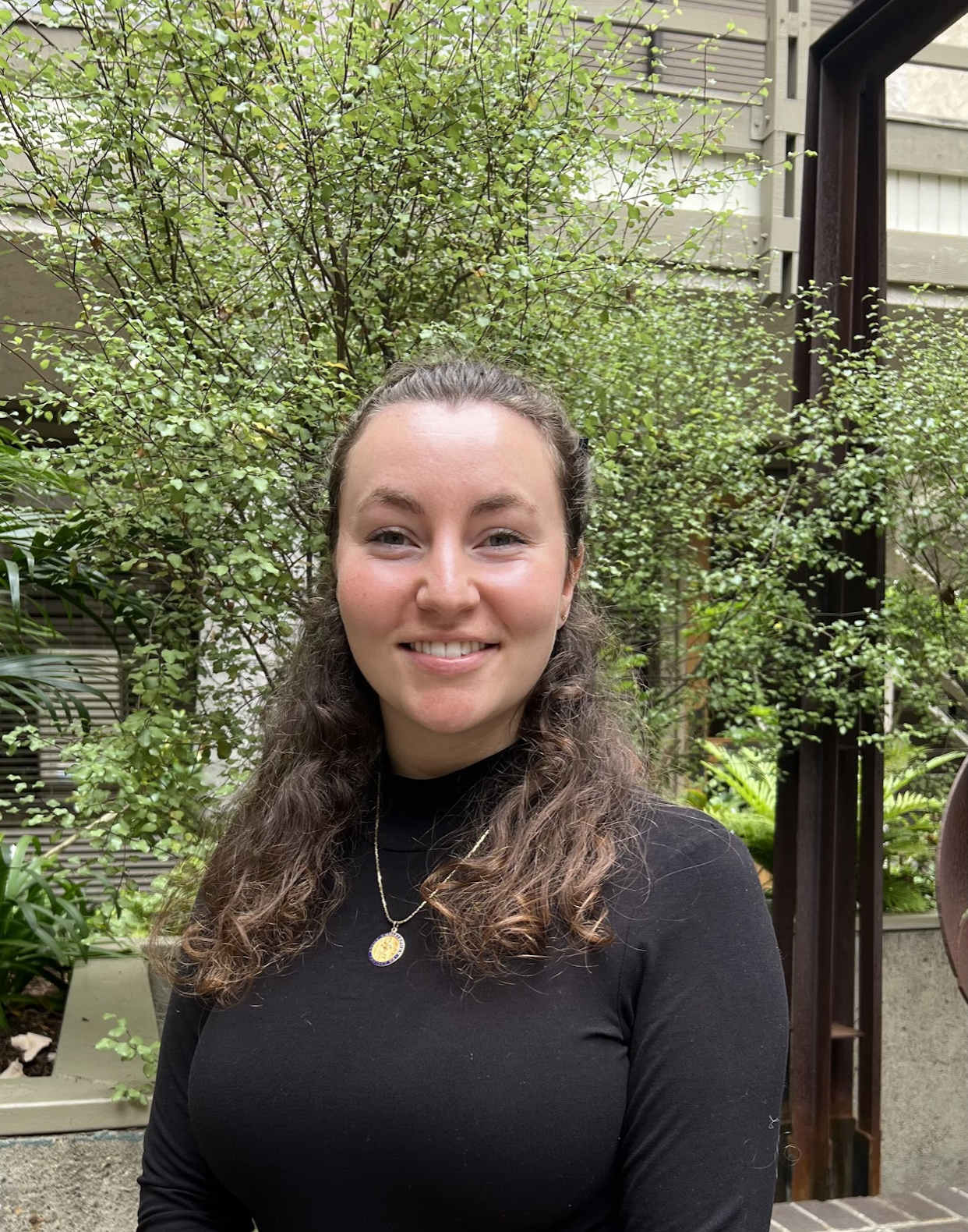
Bachelor's degree from the University of Colorado Boulder, graduating summa cum laude, and currently pursuing a Master of Public Health in Epidemiology at UC Irvine. Portia supports therapists and clients with the details around care.
Read Portia's full bio →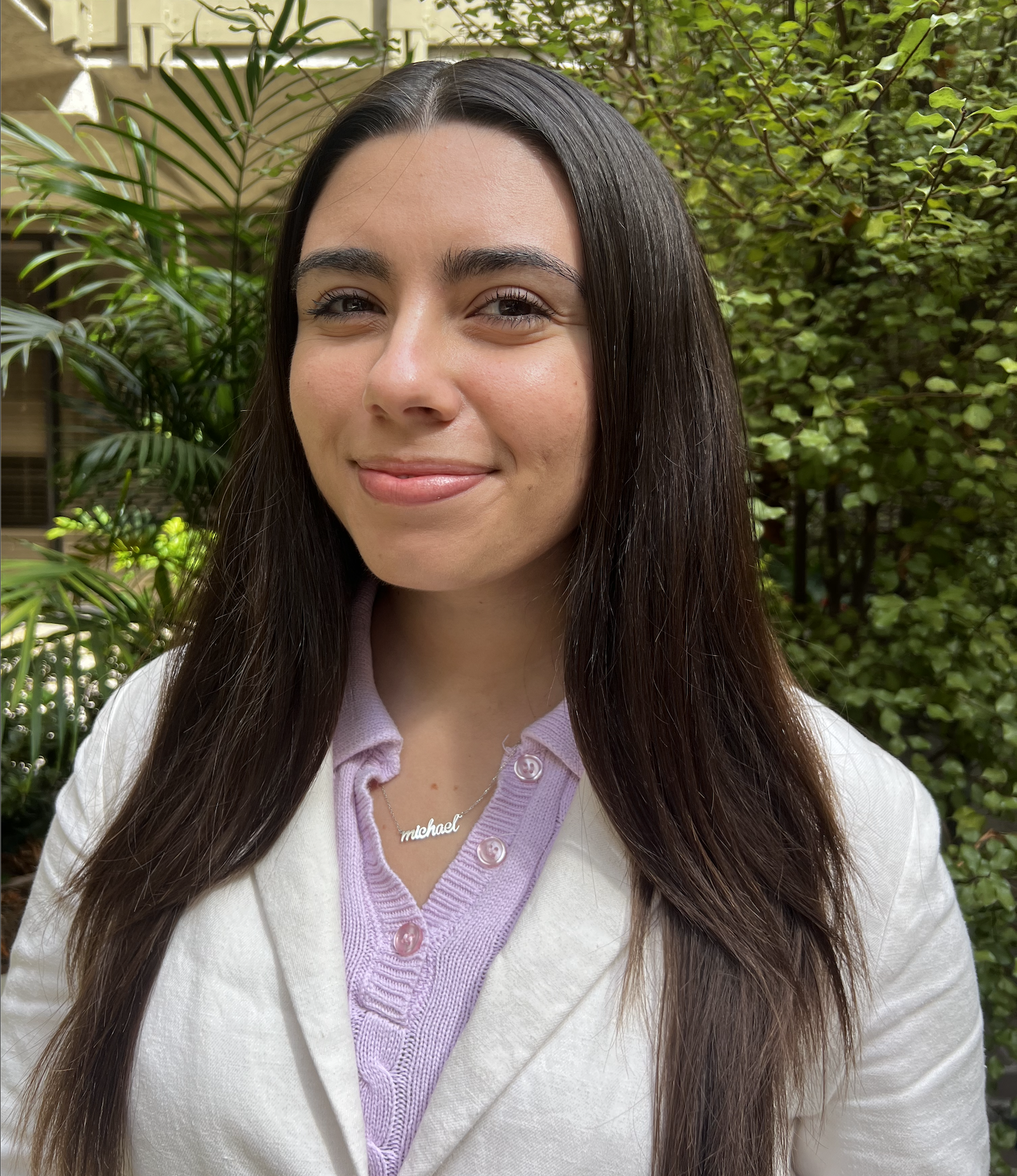
Bachelor's degree in General Psychology with a minor in Entrepreneurial Studies, plus associate degrees in Psychology and Sociology. Jessica helps support both the team and clients on the front end.
Read Jessica's full bio →Another article will not resolve severe anxiety. Another explanation will not make the doubt settle for good. At a certain point, more research becomes part of the loop instead of a path out of it.
This is the moment to stop searching and talk to someone who treats this every day. You do not need certainty first. You only need enough recognition to have the conversation.
A 20-minute call with one of our clinicians — not a salesperson — can help you understand whether intensive severe anxiety treatment is the right fit, what other options may make sense, and what to do next without pressure to decide on the spot.
Reaching out does not commit you to treatment. It gives you clarity from someone who treats severe anxiety every day.
If one of these feels close to what you have been living with, start there. You do not need the perfect explanation before you reach out. The OCD Treatment Center is here to help you make sense of what is happening and what kind of care may fit best.
Severe anxiety treatment usually becomes important when anxiety is no longer something you can manage in the background. It is taking over time, energy, routines, and peace of mind. The usual rhythm of one appointment a week does not seem to hold up against it.
Many people at this point already understand what anxiety is. What they need now is not more general information. They need help figuring out what kind of treatment can meet the level of disruption they are living with every day.
That is where structure matters. Severe anxiety often responds best to treatment that is more focused, consistent, and specialized. Instead of fighting the loop alone between sessions, you are working inside a program built to stay with it long enough for meaningful change to happen.
It is also normal to feel cautious here, especially if you have tried therapy before and still feel stuck. Reaching out should not feel like pressure. It should feel like finally talking with someone who understands what severe anxiety actually looks like in daily life.
If this sounds like where you are, you do not need to have everything figured out before contacting us. A conversation with The OCD Treatment Center can help you understand whether this level of care fits what you are dealing with right now.
When the week between sessions keeps filling back up with avoidance, body symptoms, and mental checking, the treatment structure may need to change.
The goal of first contact is to understand what is happening and whether intensive anxiety treatment makes sense for you.
Severe anxiety is not just having difficult worries. It is about how much room the anxiety is taking up in your day, how much control it has over your behavior, and how often your life is being shaped around fear, dread, or the need to feel safe.
Sometimes that looks obvious from the outside. Sometimes it is mostly internal and hidden. Either way, the result is often the same: more time lost, more exhaustion, more avoidance, and more of life being organized around trying to prevent the next spike.
When anxiety gets to this level, people often start wondering whether they are overreacting or whether it really is as serious as it feels. That question can keep people stuck longer than they need to be.
You do not need a perfect severity label before you ask for help. If anxiety is interfering with work, relationships, routines, sleep, or your ability to function freely, that matters. That is enough reason to talk with someone who understands severe anxiety specifically.
The OCD Treatment Center can help you make sense of what is happening and whether your symptoms point to a kind of anxiety that may need more focused, specialized care.
The strongest sign is often not the content of the worry, but how many choices are now being shaped by avoidance, body scanning, or fear.
A clinical conversation is usually more helpful than trying to keep measuring it alone.
Anxiety attack treatment becomes the question once panic has stopped feeling like a one-time event. Each wave teaches the brain to brace for the next, and the world starts to shrink around the places, drives, or situations where the worst attacks happened.
By the time someone looks for treatment, the cost is usually much bigger than the attacks themselves. Sleep gets thin. Driving feels narrower. Stores, freeways, theaters, planes — even rooms that should feel ordinary — become high-alert zones.
Generic advice about breathing rarely meets this level. What works is structured exposure to the sensations themselves, cognitive work on the catastrophic predictions firing in real time, and a clinician who can stay alongside you while the nervous system relearns that physical activation is safe.
That kind of work is hard to do alone between weekly sessions. The intensive structure exists for exactly this reason: enough repetition for the body to learn faster than the loop can rebuild.
If this is what you are dealing with, you do not need a perfect summary first. A short call can help you understand whether intensive treatment fits the level of disruption panic is causing now.
That is why panic so often spreads — the safe radius keeps shrinking even when nothing new has actually gone wrong.
We help you understand what is driving the surges and what level of support may fit best.
Severe depression can make everything feel slower, heavier, and more difficult than it used to. Even simple tasks can feel like too much, and the effort it takes just to get through the day can become hard to explain to anyone else.
When depression gets to this point, people often do not need more motivational language. They need calm, direct support and a next step that does not feel overwhelming.
It is also common to wonder whether you are “bad enough” to ask for more help. That question can keep people isolated longer than they need to be. If daily functioning is falling, if hope feels thin, or if your world has gotten much smaller, that matters.
Reaching out does not mean you are locking yourself into treatment. It means you are letting someone help you understand what kind of support fits and whether the level of care should change.
If this is where you are, The OCD Treatment Center can help you sort through the next step with more clarity and less pressure. You do not have to carry the entire decision by yourself first.
When energy is low, one clear next step often helps more than a long page full of decisions.
First contact should feel supportive and grounding, not like one more burden to carry.
Severe social anxiety is more than being uncomfortable around people. It can start to shape where you go, what you say, what you avoid, and how much of yourself you feel able to bring into everyday life.
For many people, it affects work, friendships, family events, dating, speaking up, eye contact, conflict, or even simple tasks that involve being seen. The fear can become so strong that avoidance starts to feel like the only way to get through the day.
One of the hardest parts is that even reaching out for help can feel exposing. A phone call, a form, or the idea of explaining yourself may trigger the same fear that has been keeping you stuck elsewhere.
That is why the first step should feel private, calm, and low pressure. You do not need to sound polished. You do not need to have the perfect summary. You just need a place to start with someone who understands how powerful this fear can be.
If this sounds like what you are living with, we can help you sort out what kind of treatment makes sense and make that first step feel easier, not more overwhelming.
That is why gentle, low-pressure contact matters so much for people dealing with social anxiety at this level.
It is a treatable fear-and-avoidance pattern, and it can be approached in a structured, supportive way.
Panic disorder treatment becomes the question once attacks have stopped feeling random. The body fires before the mind can catch up — racing heart, shortness of breath, lightheadedness, a sense of unreality — and the brain begins to brace for the next surge.
By that point, the cost is rarely just the attacks. It is everything that gets organized around avoiding them. Drives get rerouted. Stores get skipped. Travel gets postponed. The world quietly narrows, and the safe radius keeps shrinking.
The work that changes panic looks different from talk therapy. Interoceptive exposure helps the nervous system relearn that physical activation is safe. Cognitive work breaks the link between sensation and catastrophic interpretation. In-vivo practice reopens the situations that have slowly closed.
That kind of structured work is hard to sustain in a once-a-week format, especially when each week between sessions reinforces avoidance. Intensive care exists for cases where weekly therapy has not been enough.
If this fits what you are dealing with, you do not need a polished explanation first. A short call can help you understand whether intensive panic treatment may be the right next step.
Panic disorder responds best when interoceptive exposure and cognitive work happen together — not when one is treated and the other is left alone.
We help you understand what is driving the surges and what kind of care could fit from here.
Treatment for severe anxiety usually comes down to a deeper question: what kind of care works when the loop has become this strong, repetitive, and disruptive?
Many people asking that question have already tried to understand their anxiety. Some have already been in therapy. What they often need now is not another explanation of the cycle, but a better sense of why past treatment may not have gone far enough.
Severe anxiety often stays stuck when care is too general, too infrequent, or too dependent on you doing the hardest part alone between sessions. When the structure changes, the outcome can change too.
That is why our program focuses on anxiety-specific treatment, repetition, and intensity. The goal is not only to help you understand the loop better, but also to help you weaken it in real life.
If this is the question you have been carrying, you do not need to keep sorting it out alone. We can help you understand whether this kind of treatment fits what you are facing now.
When someone has been trying hard for a long time, the question often becomes whether the model of care is strong enough for the severity.
Instead of staying in evaluation mode, you can talk with someone who treats severe anxiety every day.
Severe anxiety help is often the phrase people use when they feel overwhelmed, tired, scared, or simply done trying to carry anxiety the same way.
Sometimes you are not looking for polished terminology. You just know the anxiety has become too big, too constant, or too painful to keep managing on your own. That matters. It is enough.
When someone is in that state, the page should not make things more complicated. It should make the next step feel simpler. The goal is not to impress you with information; it is to help you see that real help exists and that reaching out can feel safe.
It also matters to know you will not be dismissed or misunderstood. People dealing with severe anxiety often worry about being minimized, misread, or sent back into broad therapy that never really addressed the loop underneath.
If this is where you are, you do not need better wording, more time, or a more polished explanation. You can start exactly where you are and let us help you take it from there.
When anxiety feels overwhelming, the right first move is often a direct conversation, not more evaluation.
You do not need polished language or a complete explanation before asking for help.
Severe anxiety and OCD can feel hard to untangle because both are happening at once. The thoughts may feel obsessive, the body may feel panicked, and the urge to do something right away for relief can become constant.
That overlap is real. OCD often shapes the content of the fear, while severe anxiety adds urgency, physical activation, and the feeling that something must be solved immediately.
When both are present, broad anxiety treatment can sometimes miss the OCD piece, while OCD treatment that ignores the level of anxiety may not feel complete either. That is why it helps to work with people who understand how these patterns reinforce each other.
You do not have to separate every symptom perfectly before you reach out. You do not need a neat explanation. You can start with the mixed picture exactly as you are experiencing it now.
The OCD Treatment Center can help you sort through that overlap and understand what type of treatment may fit both the anxiety loop and the OCD pattern surrounding it.
The thoughts create fear, the fear creates urgency, and the urgency makes it harder not to fall into compulsions or avoidance.
A specialist can help make sense of the overlap and guide you toward the right next step.