Brad and his team are wonderful to work with if you are looking for top notch treatment for OCD.
Read more on GoogleOur intensive outpatient program delivers more treatment in 3 weeks than most therapists provide in a year. Real results, backed by data, delivered by OCD specialists.
View Our The OCD Treatment Center Therapists
Our clinical team specializes exclusively in OCD and anxiety disorders. We provide intensive treatment for all subtypes of OCD, so you can get the specialized care you need. Learn more about the types of OCD we treat.
If you have been reading, comparing, and trying to figure this out on your own, this is not something you have to sort through alone. By this point, the need for more support may already be clear — they just haven’t found the right next step yet.
You don’t need to have everything figured out before reaching out. You just need to start the conversation.
Not ready to call? You can start with a few questions — no pressure.
The first call often makes the next step easier to understand.
If you've been stuck in the cycle of weekly therapy without real progress, you're not alone — and it's not your fault. An IOP gives you the concentrated support you need to finally break through, building momentum instead of starting over every week.
You'll receive 45 hours of one-on-one therapy over 3 weeks — a focused treatment rhythm designed for OCD that needs more than a weekly session.
No more "starting over" every week. You'll work through your patterns while they're happening — not days later when OCD has regrouped.
We'll map your specific triggers, build your personal hierarchy, and guide you step-by-step with clear milestones you can actually see.
ERP, CBT, ACT, and mindfulness — woven together into one approach designed to create real, lasting change in your life.
When a trigger hits, you'll have someone right there with you. Real-time guidance through the hardest moments — that's what changes everything.
You don't have to leave home or put everything on hold. Get intensive support while staying connected to your daily life.
If weekly therapy hasn't worked, it doesn't mean you can't get better. It might just mean you need this level of intensity to finally break free.
Feeling stuck doesn't mean recovery isn't possible. It may mean you need a different level of care.
You're not broken. You're not weak. The World Health Organization ranks OCD in the top 10 most debilitating conditions worldwide. You deserve specialized, intensive care.
This isn't about managing OCD forever. It's about getting your life back — and keeping it. That's what we're here to help you do.
You've been to therapy. Maybe even found a therapist who said they "do ERP." But here you are, still struggling. It's not you — it's the approach:
By the time your next appointment comes, OCD has had a full week to regain its grip. You walk in feeling like you're starting over — because you are.
Many therapists dabble in ERP but do not specialize in it. That is like going to a general doctor for heart surgery. OCD needs a team that does this every single day.
When OCD spikes, you're alone with it until next week. You need someone in your corner when the hardest moments hit — not seven days later.
You may have tried ERP before and felt like it didn't work. That's because ERP only works when delivered intensively by true specialists. We do it right.
OCD isn't just behaviors — it's thought patterns. We use CBT to help you see your thoughts differently, so they lose their power over you.
ACT and mindfulness help you stop fighting your thoughts and start living your life. You'll learn to let intrusive thoughts pass without them controlling you.
This is 100% one-on-one treatment — just you and your therapist. No group sessions, no cookie-cutter curriculum. Just focused care designed around you.
You'll complete our OCD Recovery Test and receive a detailed profile showing exactly where to focus your treatment.
You'll finally understand why your brain does what it does — and why that knowledge alone can be incredibly freeing.
We don't just talk in an office. We go where your triggers are — your home, stores, wherever OCD shows up in your actual life.
You'll leave with a clear plan for maintaining your progress — and the confidence to handle whatever comes next on your own.
ERP, CBT, ACT, and mindfulness — all woven together into one approach designed specifically for how your OCD works.
All 45 hours are individual therapy. No group sessions, no sitting in circles, no generic lectures. Just focused work on your recovery.
If you want continued support after your IOP, we offer optional weekly sessions to help you stay on track.
Many of our clients fly in from across the country. We'll send you everything you need to plan your trip and feel at home.
We'll map out exactly how OCD operates in your life — your patterns, your triggers, your fears. You'll finally understand what's been happening in your brain, and we'll build your personalized roadmap together.
This is where the real work happens. Every day, we'll tackle your triggers together — building your confidence, breaking the compulsion cycle, and showing you that you can handle more than OCD wants you to believe.
We'll take everything you've learned into the real world. By the time you leave, you'll have a clear plan for staying free — and the confidence to handle whatever comes next without us.
Weekly therapy just isn't enough anymore — you need more support than one hour a week can give you.
OCD is taking over — it's affecting your job, your relationships, your ability to just live your life.
You're ready to do the work — something in you knows it's time to finally face this and get free.
You want to stop needing therapy forever — you want skills that last, not a lifetime of appointments.
Past therapists haven't helped — maybe they didn't truly specialize in OCD, or the treatment just didn't click.
Most of our clients score in the severe to extreme range on the Y-BOCS. We've worked with clients from age 6 to 86 — wherever you are, we can help you figure out the right next step.
20 minutes • No pressure • Just answers
Here's something most treatment centers won't tell you: our goal is for you to stop needing therapy altogether.
We want to give you everything you need to handle OCD on your own — so you can go live your life without us.
By the time you leave, you'll have the toolset, skillset, and mindset to stay free. That's what real recovery looks like.
"We focus not just on getting you out of the OCD cycle now — but on teaching you how to stay out of it for life."
On average, our clients see a 66.4% reduction in their OCD symptoms. We measure this using the Y-BOCS — the same scale researchers use worldwide. These aren't just numbers. This is your life getting back to you.
You're not alone — 76.8% of people with OCD also have another condition. We treat these together, because they're often connected.
Persistent worry, restlessness, and difficulty controlling anxious thoughts.
Fear of social situations, judgment, or embarrassment in public settings.
Sudden panic attacks, fear of losing control, and avoidance behaviors.
Intense, irrational fears of specific objects, situations, or activities.
Fear of driving, highways, or specific driving situations.
Difficulty falling asleep due to racing thoughts or fear of the night.
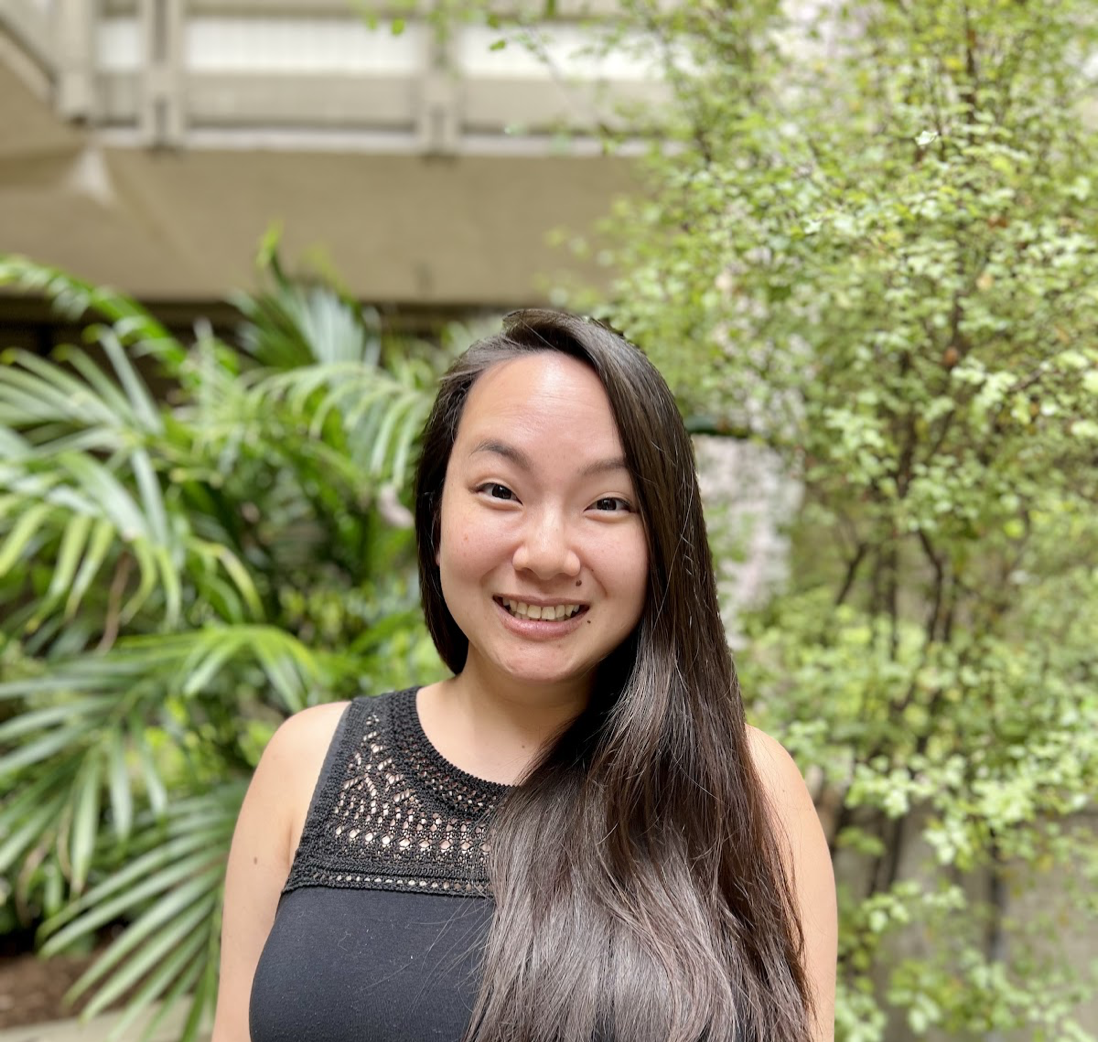
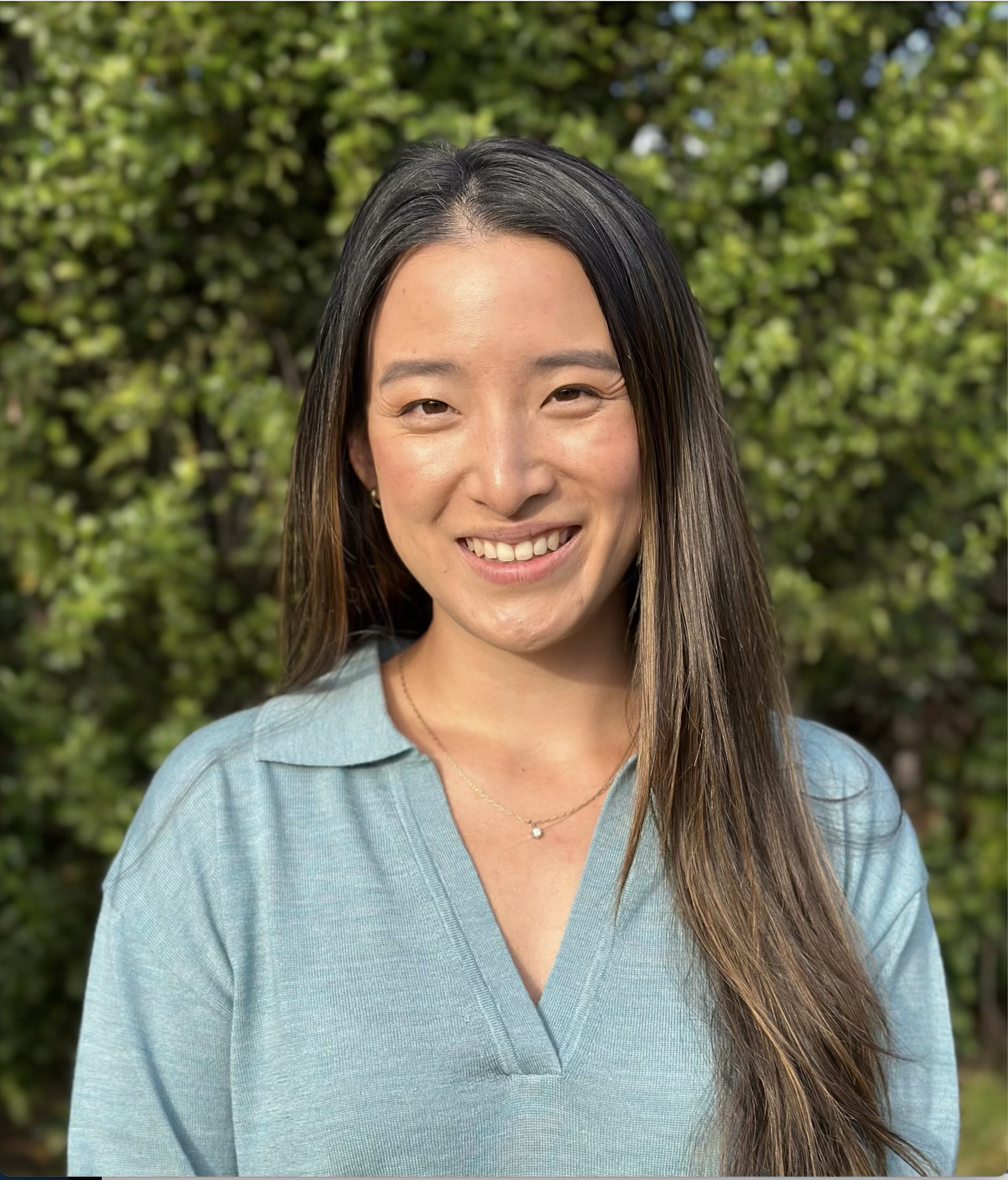
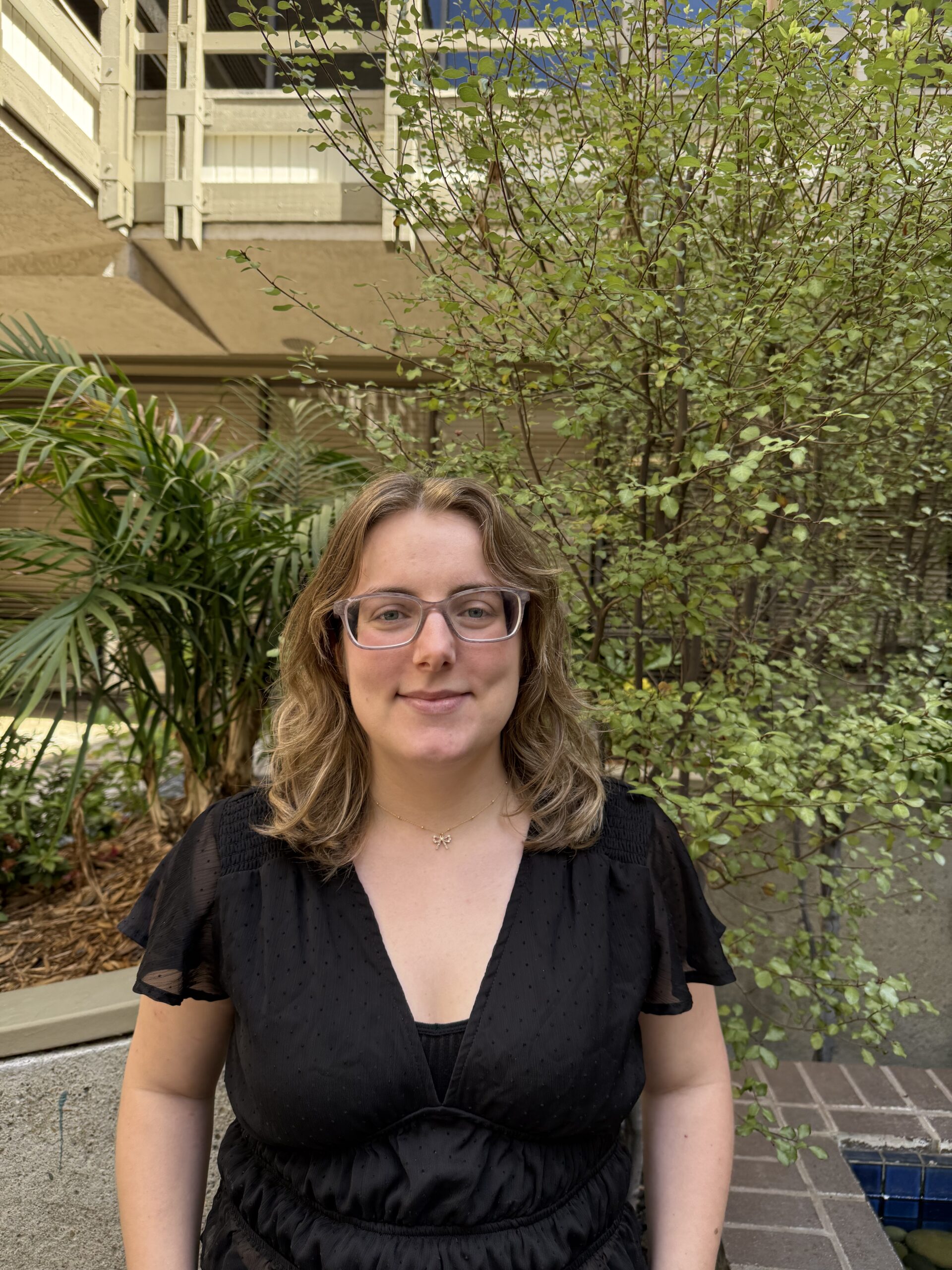
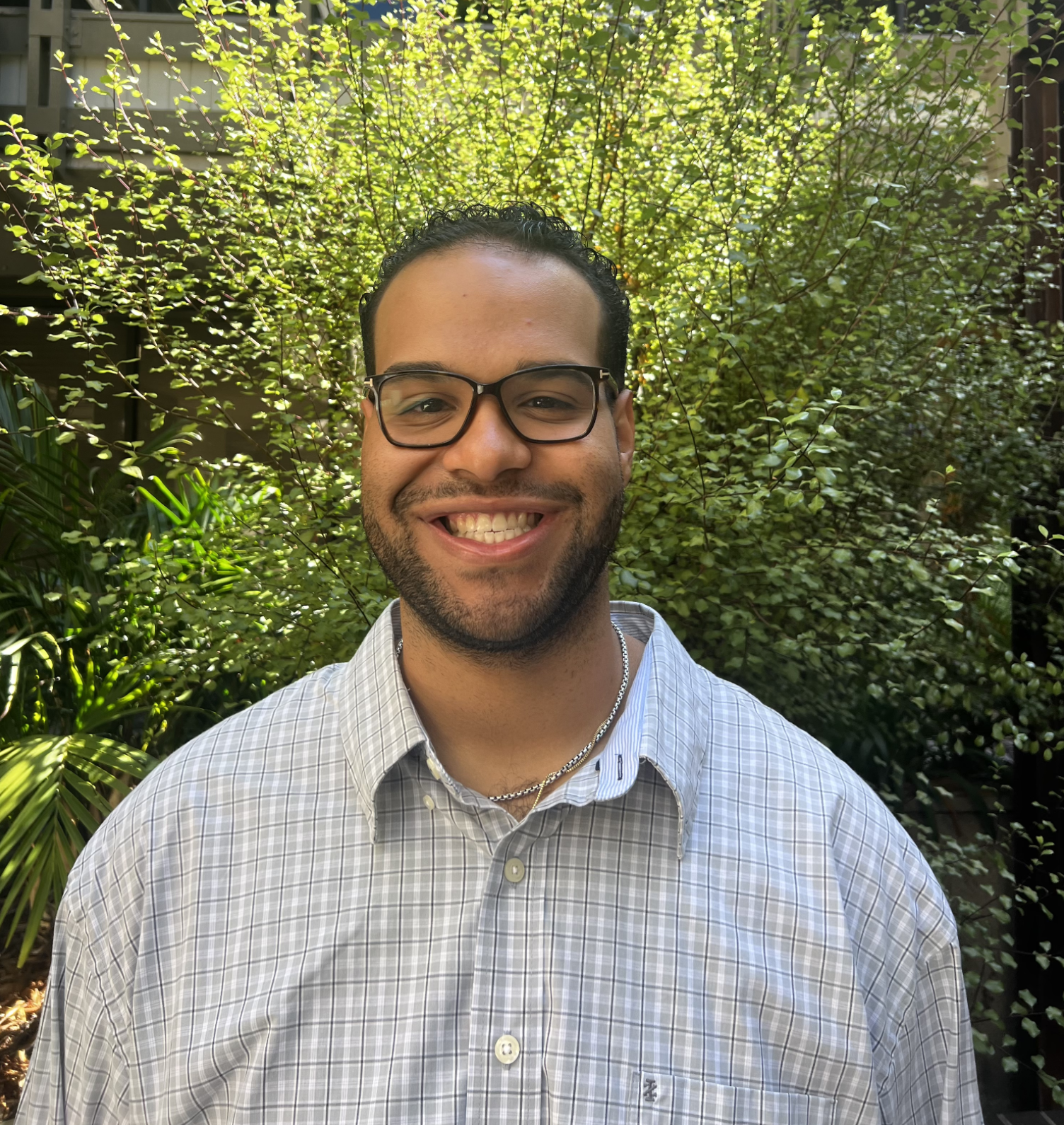
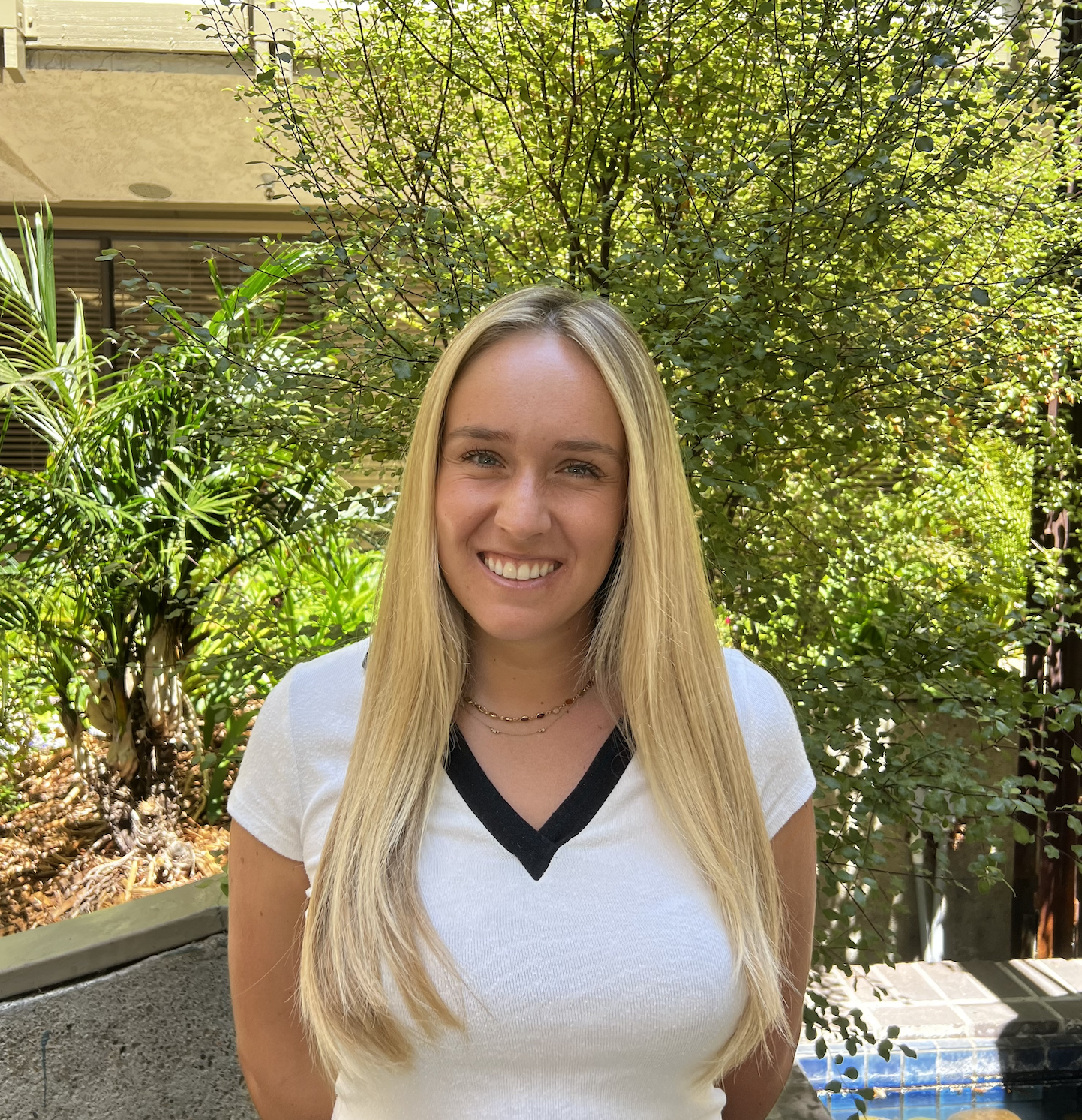
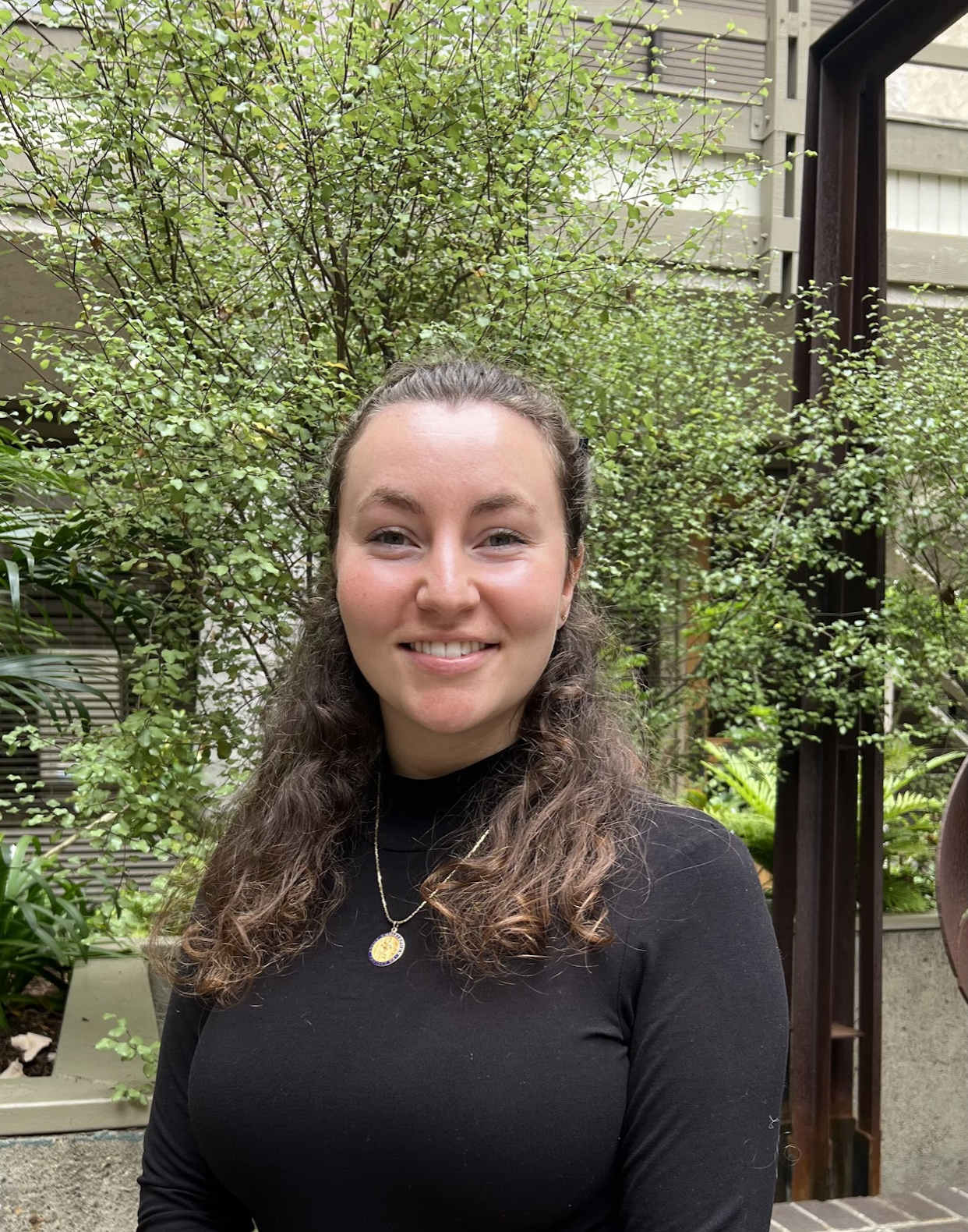
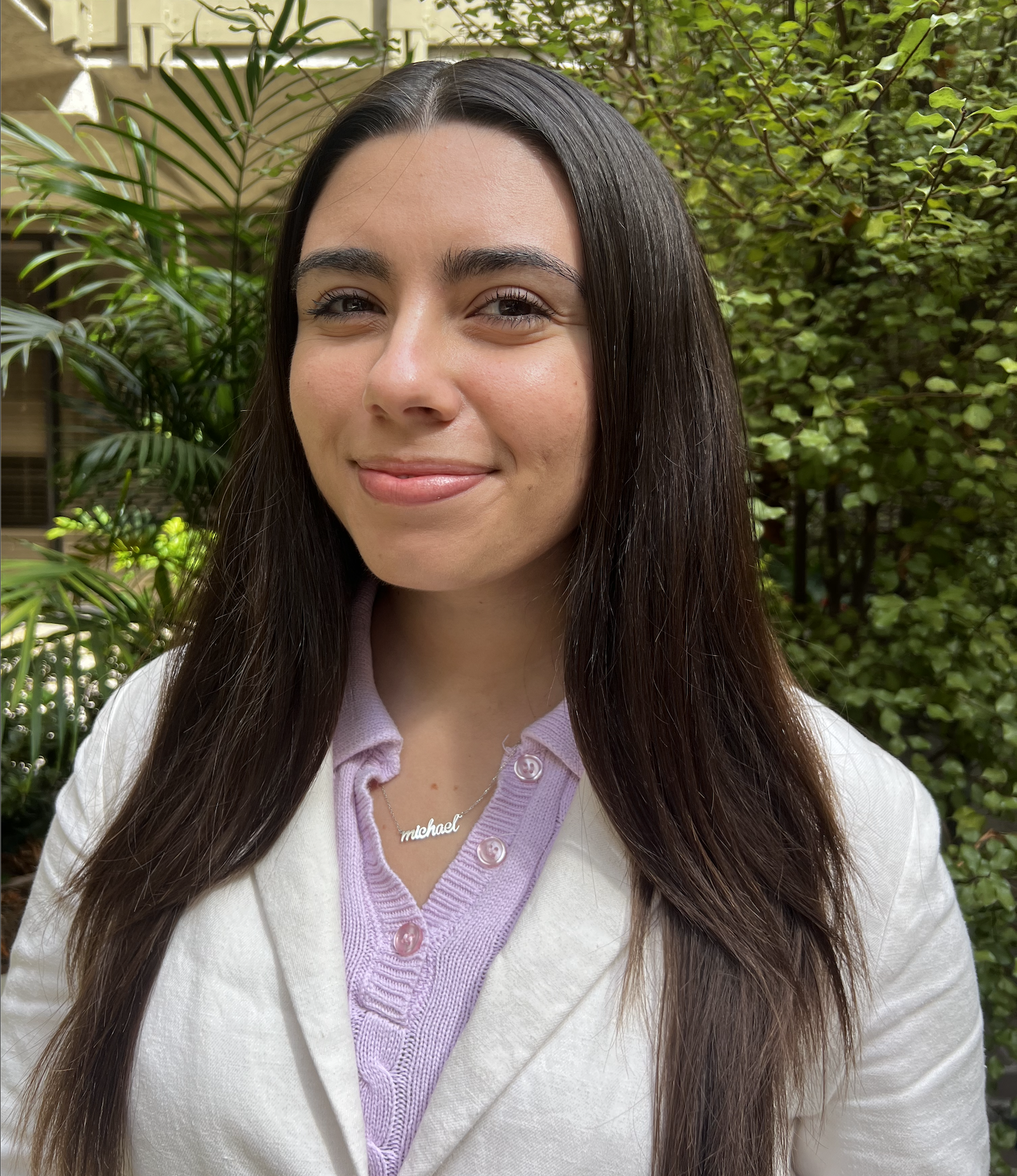
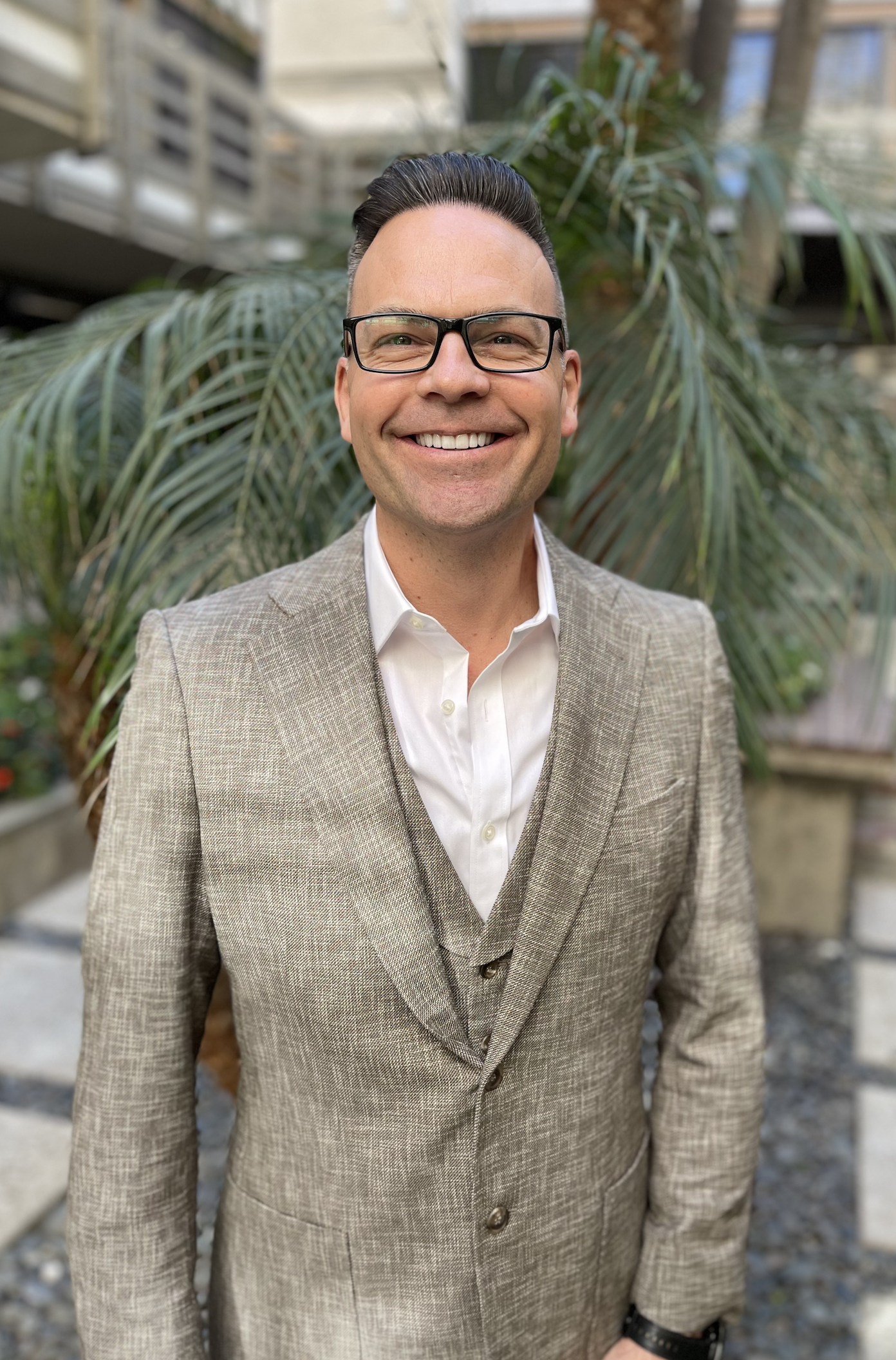
These are some of the clinicians and team members families often want to know more about before reaching out. Each person brings a different background, but all of them are here to support people living with severe OCD and severe anxiety with warmth, clarity, and real specialization.
Master's degree in Clinical Psychology from Pepperdine. Tiffany began working directly with patients affected by severe OCD and severe anxiety during her practicum training at the UCLA OCD Intensive Treatment Program.
Read Tiffany's full bio →
Master's degree in Marriage and Family Therapy from Chapman University. Madasen has worked in severe OCD and severe anxiety treatment settings for over three years and also offers a faith-based treatment perspective upon request.
Read Madasen's full bio →
Master's degree from Azusa Pacific University, with undergraduate study in Neuroscience at USC. Polly works with severe OCD and severe anxiety using ERP alongside CBT, mindfulness, and ACT, with a calm and empathetic style.
Read Polly's full bio →
Master's degree in Social Work from Ohio State University, with a psychology degree from Southern Utah University. Mike's own recovery journey led him to specialize in ERP and ACT for severe OCD and severe anxiety.
Read Mike's full bio →
Master's degree from Hope International University, following undergraduate degrees in Human Development and Psychology from UC Davis. Alyssa builds personalized treatment plans and may also use EMDR when appropriate.
Read Alyssa's full bio →
Master's degree in Clinical Mental Health Counseling from the University of Pittsburgh. Ronald has worked with children and adolescents in IOP group settings and individual outpatient therapy with moderate to severe OCD and severe anxiety presentations.
Read Ronald's full bio →
Master's degree in Marriage and Family Therapy from Chapman University, after studying Psychology and Human Development at UC Davis. Virginia's clinical work is also shaped by her own personal recovery journey with OCD and her understanding of severe anxiety.
Read Virginia's full bio →
Bachelor's degree from the University of Colorado Boulder, graduating summa cum laude, and currently pursuing a Master of Public Health in Epidemiology at UC Irvine. Portia supports therapists and clients with the details around care.
Read Portia's full bio →
Bachelor's degree in General Psychology with a minor in Entrepreneurial Studies, plus associate degrees in Psychology and Sociology. Jessica helps support both the team and clients on the front end.
Read Jessica's full bio →Our intensive treatment program is a 3-week, 45-hour program that runs Monday through Friday for 3 hours per day. This concentrated format allows for focused, accelerated progress — it's not uncommon for clients to be out of the OCD cycle within the three-week program.
Yes, we do. We have worked with every type of OCD including Harm OCD, Pure O, Contamination OCD, Relationship OCD, Religious OCD (Scrupulosity), Sexual Orientation OCD, POCD, Checking, and many more. Our founder has created the most comprehensive Types of OCD assessment based on years of working with all manifestations.
Pure O and mental compulsions are actually the most common type of OCD we work with, mostly because when clients have other types of OCD they usually have some form of mental compulsions. All of our therapists are experienced in working with clients with Pure O and mental compulsions.
After the program, some clients graduate and no longer need us — that's the goal! Others prefer continued support, so we offer optional 50-minute weekly sessions with your same therapist to ensure you maintain the progress you made during the program.
IOPs are ideal if your OCD or anxiety symptoms are severe enough to greatly interrupt your daily life and traditional weekly sessions aren't enough. If you're spending hours worrying, doing compulsions, ruminating, or your current treatment isn't working — it might be time. IOPs also work well if you need structured support to stick to treatment goals.
We offer our IOP virtually to clients located in the state of California. Unfortunately, we're unable to offer this program virtually to clients outside California as our therapists are licensed only in California.
No. Our IOP is 100% one-on-one individual therapy between you and your therapist. We do offer separate evening group sessions for clients 18+ who want that experience, but it's not part of the IOP program.
Many clients ask this at the start, but most don't end up needing more than three weeks. We've calibrated the program length based on what works. If you feel you need more, we'll do an assessment to see if extending is appropriate — but generally an extra week isn't needed.
Yes. All of our therapists specialize exclusively in treating OCD and anxiety, and are trained and experienced in using ERP (Exposure and Response Prevention) for OCD. This is all we do — we're not generalists.
The OCD Cycle is where an obsession (intrusive thought, fear, or image) triggers anxiety, which creates the need to perform a compulsion to reduce the distress. Unfortunately, the compulsion reinforces the obsession, guaranteeing it returns. This creates the "looping effect" where thoughts swirl repeatedly. Breaking this cycle is exactly what we specialize in.
I didn't start this center because I studied OCD in a textbook. I started it because I lived it. I know what it feels like when intrusive thoughts won't stop, when you're exhausted from the mental battles no one else can see.
Recovery changed my life — and now my team and I have helped hundreds of others experience that same freedom. If you're reading this wondering if you can really get better: you can. I'm living proof.
These are real program experiences from clients who completed care and moved forward. Their stories may sound familiar.
Looking for specialized OCD treatment in Orange County, California? Our Intensive Outpatient Program brings expert-level care to Southern California residents — whether you join us in-person at our Newport Beach location or connect virtually from anywhere in Orange County.
Our state-of-the-art facility offers a calm, private environment designed specifically for intensive OCD therapy. Located in the heart of Orange County with easy access from Irvine, Costa Mesa, Laguna Beach, and surrounding communities.
Can't make it in person? Our virtual intensive program delivers the same powerful results from the comfort of your home. Perfect for busy professionals, students, or anyone who prefers treatment from their own space.
Every therapist on our team specializes exclusively in OCD and ERP therapy. We're not generalists — we're the experts that other therapists refer their most challenging cases to.
Whether you're in Newport Beach or anywhere in Southern California, effective OCD treatment is within reach. Our 3-week intensive program has helped hundreds of Orange County residents break free from OCD.
OCD is exhausting in a way that is hard to explain to anyone who has not lived inside it. The thoughts loop. The rituals multiply. The reassurance never quite reassures. And the longer the cycle runs, the more energy it takes just to get through a normal day.
Our program treats OCD with evidence-based methods inside a structured intensive outpatient framework. This is not general therapy with an OCD label. It is focused, ERP-based work led by clinicians who treat OCD every day and know how to interrupt the patterns that keep it going.
Most of our clients have already tried something — therapy, medication, self-help, or all three. They arrive looking for treatment that actually addresses how OCD operates, not treatment that talks around it. That is the gap we are built to close.
You do not have to keep managing this alone. Real help exists, and the next step starts with a conversation.
A team that focuses on OCD daily and treats it with the depth it requires.
Treatment built to create real change, not just keep symptoms steady.
If you have done any reading on OCD, you have probably run into ERP — exposure and response prevention. There is a reason it keeps coming up. ERP is the most effective treatment for OCD, and it is the foundation of our program.
The work itself is straightforward to describe and harder to do alone: face the trigger, resist the compulsion, and let the discomfort fall on its own. Done well, the brain learns the alarm was overblown. Done poorly — or done halfway — the alarm gets reinforced.
Our clinicians do this every day. We pace the work, build it around your specific patterns, and stay beside you while you do the hard parts. ERP is not theoretical here. It is what every session is designed to support.
If you have tried therapy that talked about OCD without ever doing real ERP, you are not alone — and that is exactly why your progress stalled.
Structured, paced, and led by clinicians who do this work every day.
You do not figure exposures out alone — we build them with you.
Not all OCD therapy is the same. Some of it is talk therapy with the word OCD on the intake form. Some of it is real, evidence-based work that targets the specific patterns driving the disorder. Knowing the difference can save years.
Our OCD therapy is built on ERP and CBT, delivered inside a structured intensive outpatient program. That means consistent, focused sessions — not occasional check-ins. The work is active. You will not just describe what is happening; you will practice the skills that actually change it.
Years of well-intentioned therapy can still fail to move the needle. That is rarely a sign that nothing works. It is usually a sign that the right kind of work has not started yet.
If you are ready to begin treatment that engages OCD directly instead of dancing around it, this is the right place to start.
ERP and CBT applied with the depth and frequency OCD actually requires.
Sessions designed for practice and progress, not weekly venting.
Finding genuine OCD treatment in Orange County is harder than it should be. Plenty of practices list OCD as one of many conditions they treat. Far fewer are built around it. The difference matters when symptoms are severe enough that you have started looking in the first place.
Our intensive outpatient program serves Orange County clients with structured, ERP-based care led by clinicians who treat OCD daily. The treatment is local, the team is specialized, and the work is paced to actually move things — not just maintain them.
You will get consistent sessions, a treatment plan that evolves with your progress, and a clear sense of what each week is for. That clarity is one of the things people tell us they were missing in earlier care.
If you want OCD treatment that fits your life and actually understands the disorder, the next step is a short conversation with admissions.
An Orange County program built specifically around OCD, not a general clinic.
A clear treatment plan that adjusts as the work moves forward.
Cognitive behavioral therapy is one of the most studied and effective forms of treatment for OCD, anxiety, and depression. The reason is simple: it works on the level where these conditions actually operate — the loop between thoughts, behaviors, and the patterns that keep both stuck.
Our program integrates CBT with ERP inside a structured intensive outpatient model. The work is targeted and applied. You will learn how thoughts shape behavior, how avoidance keeps fear alive, and how to interrupt the loop in real time — not just in theory.
For OCD specifically, CBT works best alongside ERP rather than as a substitute for it. We use both, paced together in a way that creates change you can feel from week to week.
If you have tried CBT before and felt it stay surface-level, the difference here is depth and consistency. The methods are the same; the application is what makes them work.
Practical, targeted work — not vague reframing exercises.
The pairing that actually moves OCD, not just one method on its own.
For many clients in California, the right specialized program is nowhere near home. Virtual IOP closes that gap. You get the same structured care, the same clinical depth, and the same evidence-based methods — delivered in a format that fits real life.
Our virtual program runs multiple sessions per week and uses ERP and CBT exactly as we would in person. The clinical team is the same. The treatment plan is the same. What changes is the logistics, not the rigor.
Virtual care also tends to surface real-life triggers more quickly. You are working through things in the environment where they actually occur — your kitchen, your bathroom, your commute, your home — and that proximity can speed the work up rather than slow it down.
If geography or scheduling have been the obstacle, virtual IOP California is the path that removes it. A short admissions call can help you figure out whether it fits.
Real intensive outpatient care delivered virtually across California.
Work happens where the triggers live — at home, in context.
Exposure and response prevention is the gold-standard treatment for OCD. It is not the most comfortable method, and it is not the fastest to read about. But it is, by a wide margin, the one that produces lasting change.
The mechanism is simple. Face the trigger. Resist the compulsion. Let the anxiety rise and fall on its own. The brain learns, slowly and through repetition, that the alarm was overblown. Compulsions weaken. Intrusive thoughts lose their grip.
What is harder is doing it well. Exposures need to be calibrated, paced, and supported. Done casually or partway, the anxiety pattern can actually strengthen. That is why having clinicians who do ERP daily makes a real difference.
Our program is built around this work, and we walk it with you every step. You will not be sent home with a worksheet and good wishes.
The treatment OCD actually responds to, delivered the way it should be.
Exposures paced and guided by specialists — not improvised on your own.
If you are looking for IOP therapy, you have already concluded one important thing: weekly sessions are not enough. Intensive outpatient therapy delivers more — more frequency, more structure, more clinical depth — without uprooting your life.
Our program runs several sessions per week, focused on OCD, anxiety, and the patterns that often come with them. The work is active, not passive. You will not be talking about change in the abstract; you will be practicing it, week after week, with a team beside you.
This kind of consistency is what allows progress to compound. Spaced too far apart, treatment has a way of resetting between sessions. Brought close together, the work starts building on itself — and the change starts feeling real.
If weekly therapy is not keeping up and a 24-hour setting is not the right next step, IOP therapy can sit in that gap. A short call with admissions can help clarify whether it fits.
Frequent sessions that let the work build, instead of resetting weekly.
Practice and progress, not just discussion.
By the time anxiety treatment feels necessary, the standard advice has usually already been tried. Breathwork. Meditation apps. Sleep hygiene. The basics help, until they do not — and at a certain point, the body's alarm system simply stops responding to gentle interventions.
Our program treats anxiety at that level. The methods are evidence-based and structured: exposure work, behavioral interventions, and the targeted dismantling of patterns that keep anxiety running. The work is paced and supported, but it is also real. You will face things you have been avoiding, and you will learn that the avoidance was costing more than the discomfort.
Most clients arrive after months or years of feeling stuck in low-grade dread. Within a structured IOP, that often shifts faster than they expected. Not because we found a trick, but because the right treatment, applied consistently, is genuinely powerful.
If anxiety has stopped responding to the basics, this is the next step that actually moves things.
Treatment that addresses the underlying patterns, not just the symptoms.
The kind of care that makes anxiety actually shift.
Panic attacks are not a character flaw, a sign of weakness, or something to white-knuckle through. They are the body's alarm system misfiring — and once they start, the fear of the next one often becomes its own loop. Real panic attack treatment addresses both layers.
Our program uses CBT, structured exposure work, and education about how panic actually operates inside the body. You will learn what is happening physiologically, why the sensations feel so threatening, and how to respond in ways that stop reinforcing the cycle.
The goal is not just fewer panic attacks. It is the return of the parts of life panic has been quietly shrinking — driving, flying, public spaces, leaving the house, sleeping through the night. The return of that ground can be the real marker of progress.
If panic has started running your week, the right treatment can quiet things faster than you might think.
Care that addresses the mechanism, not just the moment.
Reclaim the parts of life panic has been quietly shrinking.
When IOP is the next question, the decision is rarely casual. Weekly therapy may not be keeping up, symptoms may be escalating, and stronger outpatient care may need to start soon. The OCD Treatment Center is built for that moment — not for more browsing, but for a clearer treatment path.
Our intensive outpatient program runs several sessions a week and uses evidence-based methods like ERP and CBT. You will not be guessing whether it is working. We track progress, adjust the plan when something is not landing, and keep the work moving forward. That is the difference between attending an IOP and actually finishing one with momentum.
You stay home. You keep your job, your family, your routines. The treatment shows up alongside your life — strong enough to make a real difference, structured enough to do it without taking everything else away.
If you are ready, the next step is a short call. Admissions can tell you what the program looks like, when you could start, and whether it actually fits what you need.
An IOP that tracks how the work is landing — not one that just fills hours.
A clear admissions process that respects how urgent this can feel.
If you are looking for an intensive outpatient program for anxiety, you are probably done with the basics. Breathing exercises help for ten minutes. Sleep advice helps when sleep is possible. What you actually need is treatment that addresses why the anxiety is so persistent — and that is what an IOP for anxiety provides.
Our program targets the patterns that keep anxiety running: avoidance, reassurance seeking, catastrophic thinking, and the body's stuck-on alarm. Through structured exposure work and evidence-based behavioral methods, we help you reduce the loop, not just talk around it.
Weekly therapy can plateau. That is not a failure on your part. Some forms of anxiety simply need more depth and more frequent contact than a once-a-week appointment can offer. An IOP closes that gap.
You will face the things you have been avoiding, on your terms, with a team beside you. The discomfort is real — and short-lived. The change is real, too.
Structured exposure work and behavioral methods that address why anxiety persists.
A team that treats anxiety every day — not as one item on a long menu.
A good intensive outpatient program does two things at once: it delivers real, structured clinical care, and it lets you stay in your life while you do it. You sleep at home. You keep working, parenting, and managing the daily things that matter. The treatment intensifies; the rest of your life stays.
Our program runs multiple therapy sessions a week, with treatment plans that evolve as you make progress. This is not general therapy stretched across more hours. It is focused, evidence-based work with measurable goals — and clinicians who know how to push when pushing helps and ease off when it does not.
The call usually starts at a turning point: weekly sessions are not keeping up, but life still needs to keep moving. IOP is built for that middle step — stronger care without giving up the parts of life that keep you grounded.
You will leave each week with skills you have actually practiced — not theories you have only discussed. That is the difference, and it is the reason this level of care works.
Structured care with goals you can actually see being met.
A program built to keep momentum going, not one you have to drag yourself back into.
If you are looking for an IOP for OCD, you already know one important thing: general therapy has not been enough. A real OCD-focused IOP is not group therapy with an OCD label slapped on. It is structured, evidence-based exposure and response prevention, delivered several times a week by clinicians who treat OCD every day.
Our program is built around how OCD actually responds to treatment — gradually, with practice, and with the right kind of guided discomfort. We do not push you past what you can handle. We help you walk toward it, one step at a time.
Weekly therapy may already have been tried. Other options may have been tried too. What may be missing is the consistency and clinical depth that an OCD-specific IOP provides — and the relief that can follow when treatment finally starts working.
You will learn how compulsions actually function, how to interrupt them, and how to live without spending your day negotiating with intrusive thoughts. The work is hard, but it is doable. And it sticks.
Exposure and response prevention is the engine of the program — guided, paced, and built for OCD.
Our team treats OCD daily. That changes how the work gets done.
Severe OCD does not behave the way milder OCD does. It eats hours. It hijacks routines. It pulls focus away from work, relationships, and the parts of life that used to feel automatic. By the time severe OCD treatment feels necessary, weekly therapy has usually stopped moving the needle.
That is the gap our program is built to close. We provide structured, ERP-based care delivered consistently — frequent enough to keep momentum, specialized enough to address how compulsions actually work, and warm enough that you do not feel like a case file.
Severe OCD is treatable. That deserves to be said clearly, because the longer symptoms run unchecked, the easier it is to assume otherwise. With the right level of care, people get their hours back. Their routines come back. Their sense of self comes back.
You do not have to figure this out alone, and you do not have to white-knuckle your way through another year of half-help. There is a clearer path forward, and a short call with our admissions team can help you see it.
Specialized treatment for OCD at its hardest, delivered with structure and skill.
Not just symptom relief in the moment — durable progress that holds.
An intensive outpatient program sits between weekly therapy and higher levels of care. You stay home. You keep your life intact. But the treatment itself is far stronger than once-a-week sessions — multiple appointments per week, structured around evidence-based methods, with a team that actually knows the conditions they are treating.
For OCD and anxiety, that structure matters. Symptoms tend to outrun infrequent care. When sessions are spaced too far apart, each week feels like starting over. An IOP closes that gap, and the work begins to compound instead of reset.
Our program is designed for clients who want serious progress without uprooting their lives. You will work hard. You will also still drive your kids to school, sleep in your own bed, and see real improvement in real time.
If you are weighing IOP against weekly therapy, PHP, or crisis-level support, a short admissions call is the fastest way to get clarity. We will tell you honestly whether IOP fits, or whether something else may serve you better.
Multiple sessions a week, built around evidence-based treatment methods.
Strong treatment, without taking you away from the life you are trying to protect.
Severe anxiety is its own category. The standard advice — breathe slower, sleep more, journal at night — stops working. The body stays braced. Sleep gets thin. Small decisions start feeling heavy. By the time severe anxiety treatment feels necessary, the obvious things have usually been tried and have fallen short.
Our program is built for that point. We use evidence-based methods that target the actual mechanics of anxiety: the avoidance, the reassurance loops, the catastrophic predictions, the body's stuck-on alarm system. The work is structured, paced, and guided by clinicians who understand what severe anxiety actually feels like from the inside.
You will not be told to think positively. You will be helped to reduce the patterns keeping the anxiety in place — gradually, deliberately, and with real support along the way.
Severe anxiety responds to the right care. At this point, hope is not enough by itself. The next step should offer a clear plan and a team that knows what it is doing.
Treatment for the severity, not generic stress-management advice.
Stability you keep building on, not just relief that fades by Friday.
Take the first step with a free 20-minute call. No pressure, no hard sell — just an honest conversation about whether this is right for you.