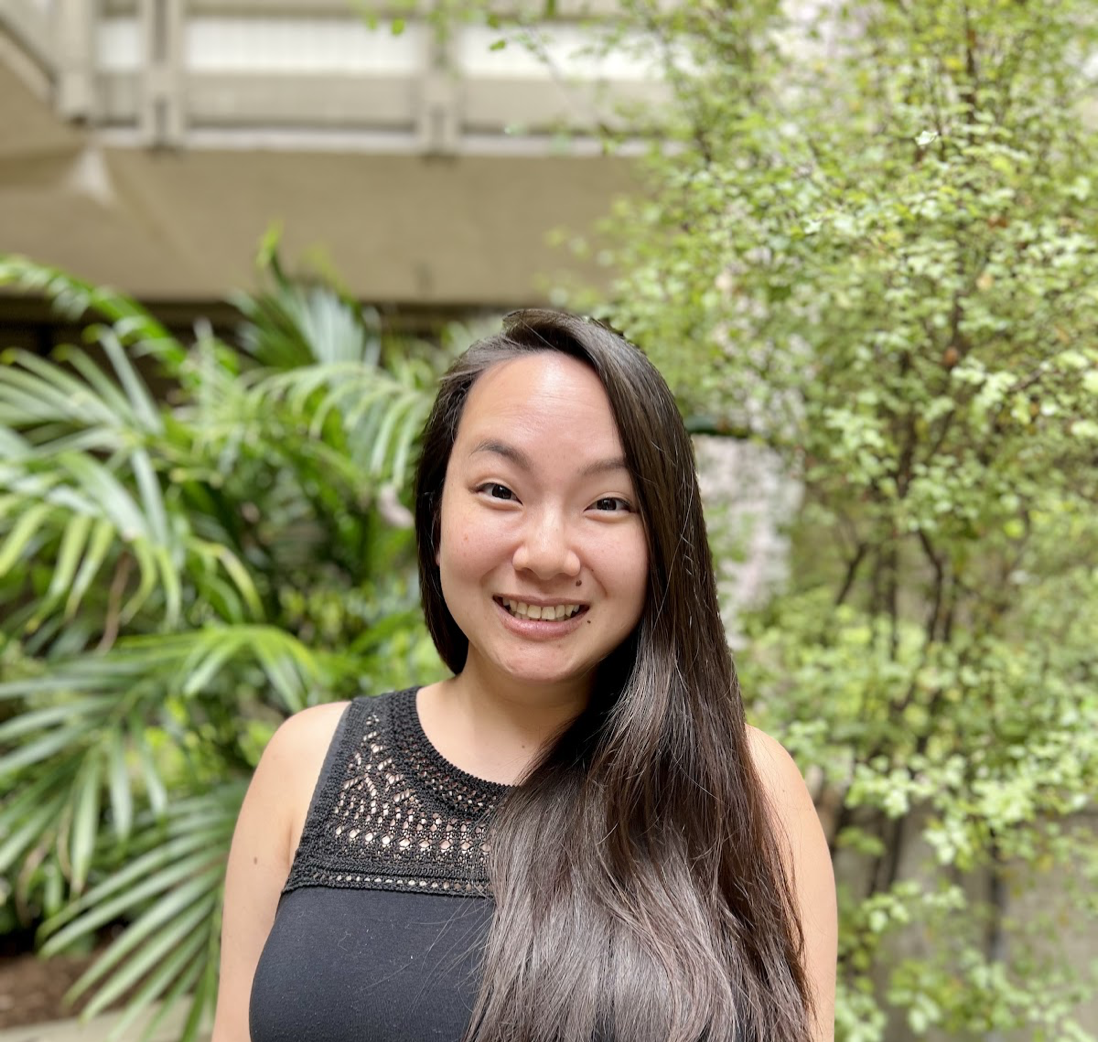
Tiffany Vicencio, LMFT
Master’s degree in Clinical Psychology from Pepperdine.
Severe anxiety can affect sleep, work, school, relationships, driving, health fears, panic symptoms, and daily routines. This page explains common severe anxiety symptoms, treatment options, and when a structured intensive anxiety program may be appropriate.
Brad Wilson founded The OCD Treatment Center to provide structured, evidence-informed care for severe anxiety, panic, avoidance, and OCD-related fears. The program uses CBT, exposure-based treatment, ACT, and related clinical tools to help people practice new responses with consistent support.
Weekly therapy gives one contact point. This intensive gives the work a tighter schedule, more clinical contact, and more repetition so anxiety does not keep rebuilding between appointments.
The goal is to turn the anxiety loop into a serious plan: identify triggers, practice different responses, work through avoidance, and build skills that can hold under pressure.
Adults whose anxiety affects work, sleep, relationships, school, driving, social situations, body sensations, or basic daily functioning — especially when standard weekly therapy has not created enough traction.
Treatment can include CBT, ERP-informed exposure, ACT, skills practice, anxiety education, response prevention, and structured work around panic, avoidance, uncertainty, and fear of symptoms.
The first step is not a commitment. It is a private conversation about what is happening, whether this level of care makes sense, and what the next step could look like.
| This Intensive3-Week Anxiety Intensive | Weekly Therapy | Standard Group Program | |
|---|---|---|---|
| Time With Care Team | ✓45 hours over 3 weeks | Usually 1 contact point a week | Varies by program |
| Main Format | ✓Focused 1:1 care | Talk through the week | Often group blocks |
| Anxiety Focus | ✓Panic, avoidance, fear loops | Broad support | Mixed clinical needs |
| Treatment Window | ✓Defined 3-week plan | Open-ended | Program-dependent |
| Best Fit | ✓When weekly therapy is not enough | Maintenance / ongoing support | Step-down or added structure |
Master’s degree in Clinical Psychology from Pepperdine.
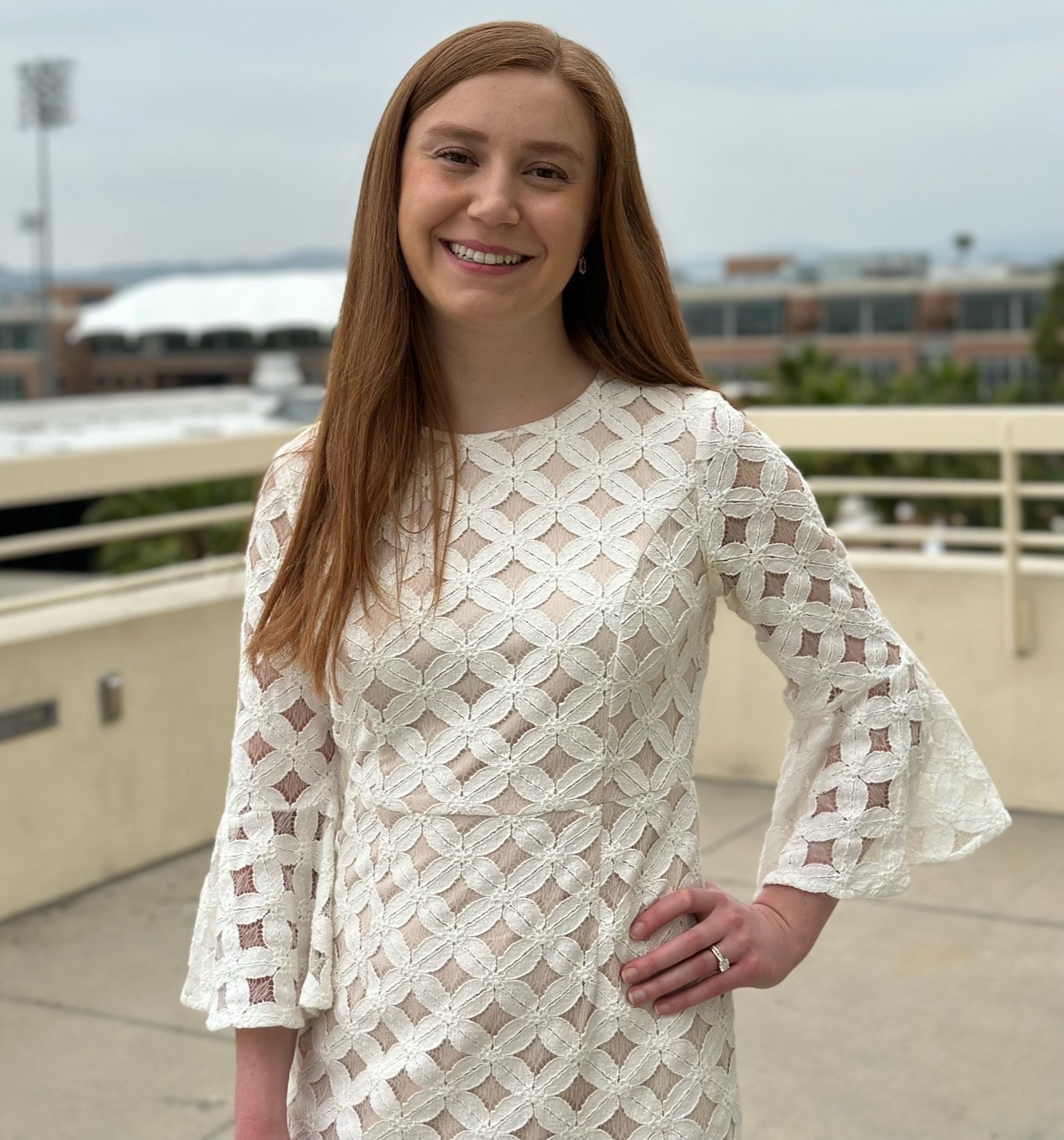
Master’s degree in Marriage and Family Therapy from Chapman University.
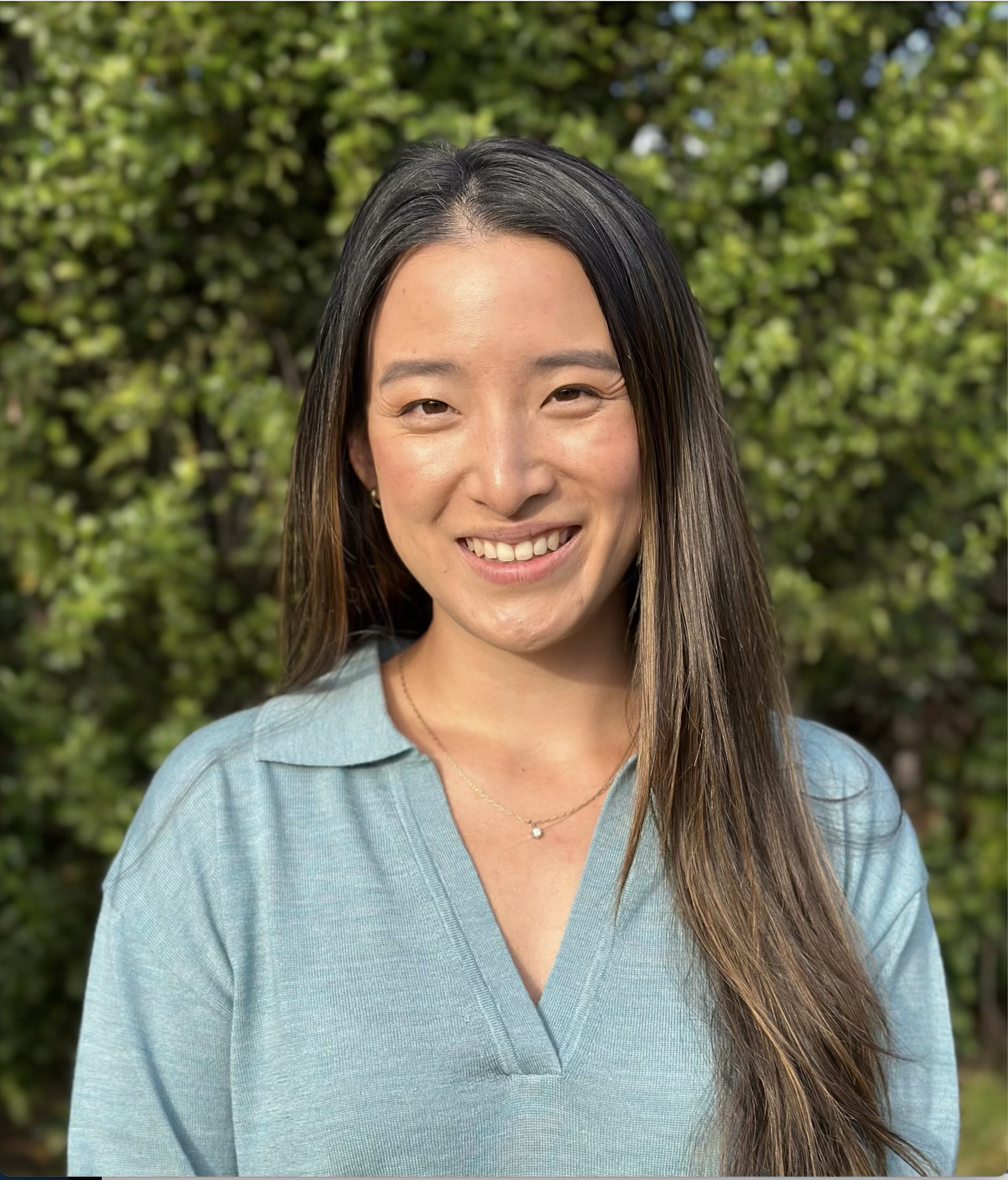
Master’s degree from Azusa Pacific University; undergraduate study in Neuroscience at USC.

Master’s degree in Social Work from Ohio State University.
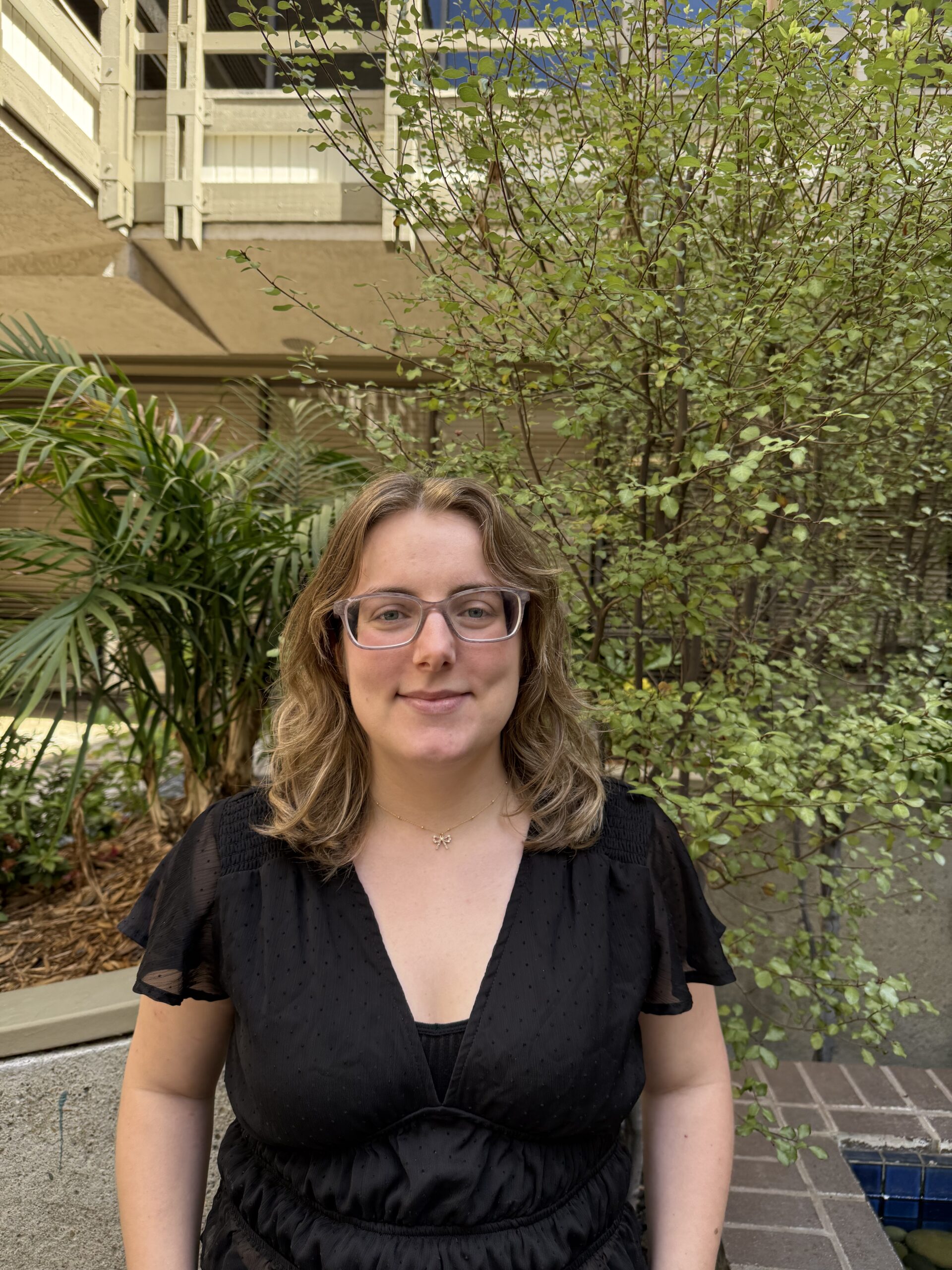
Master’s degree from Hope International University; undergraduate degrees from UC Davis.
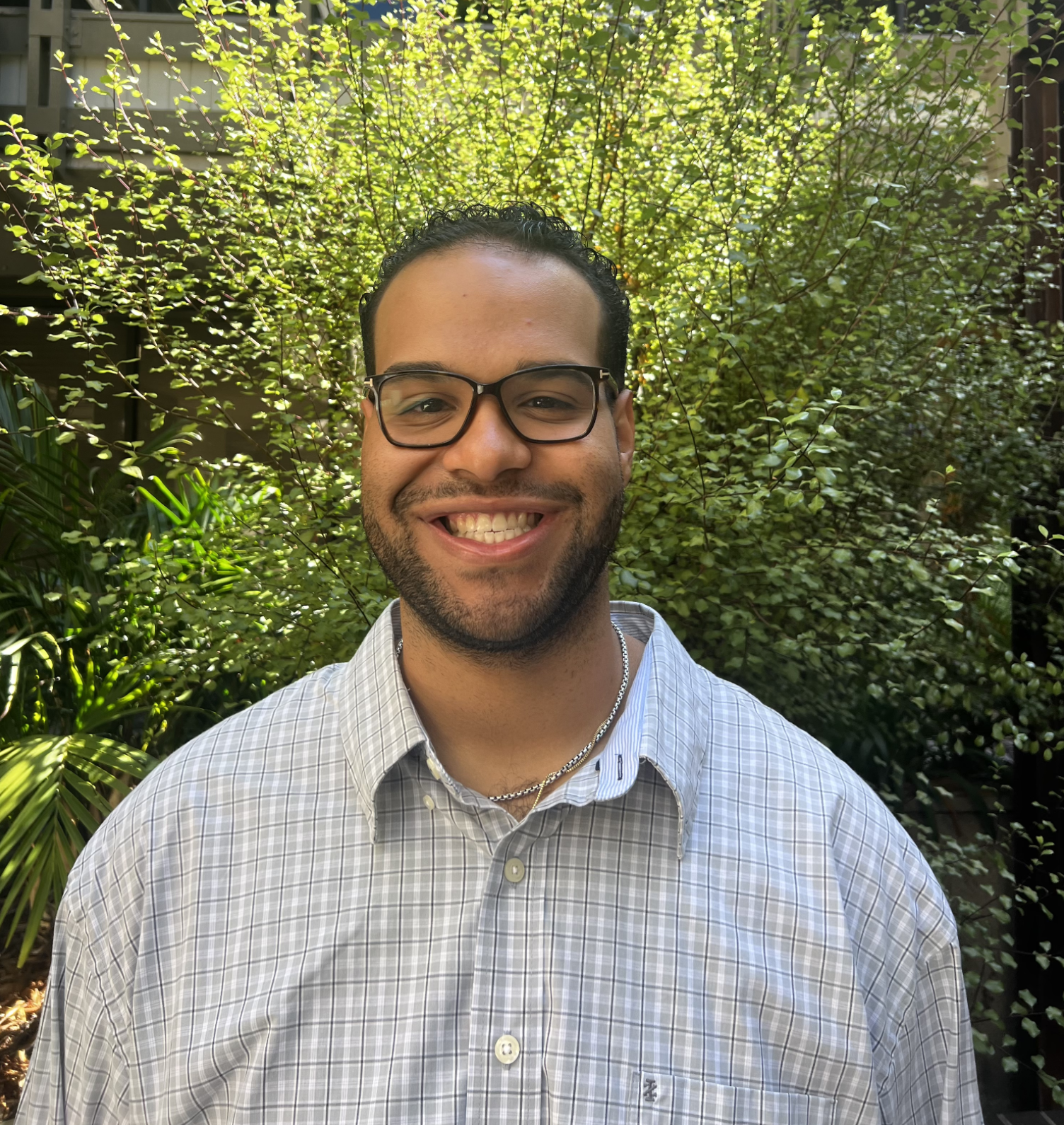
Master’s degree in Clinical Mental Health Counseling from the University of Pittsburgh.
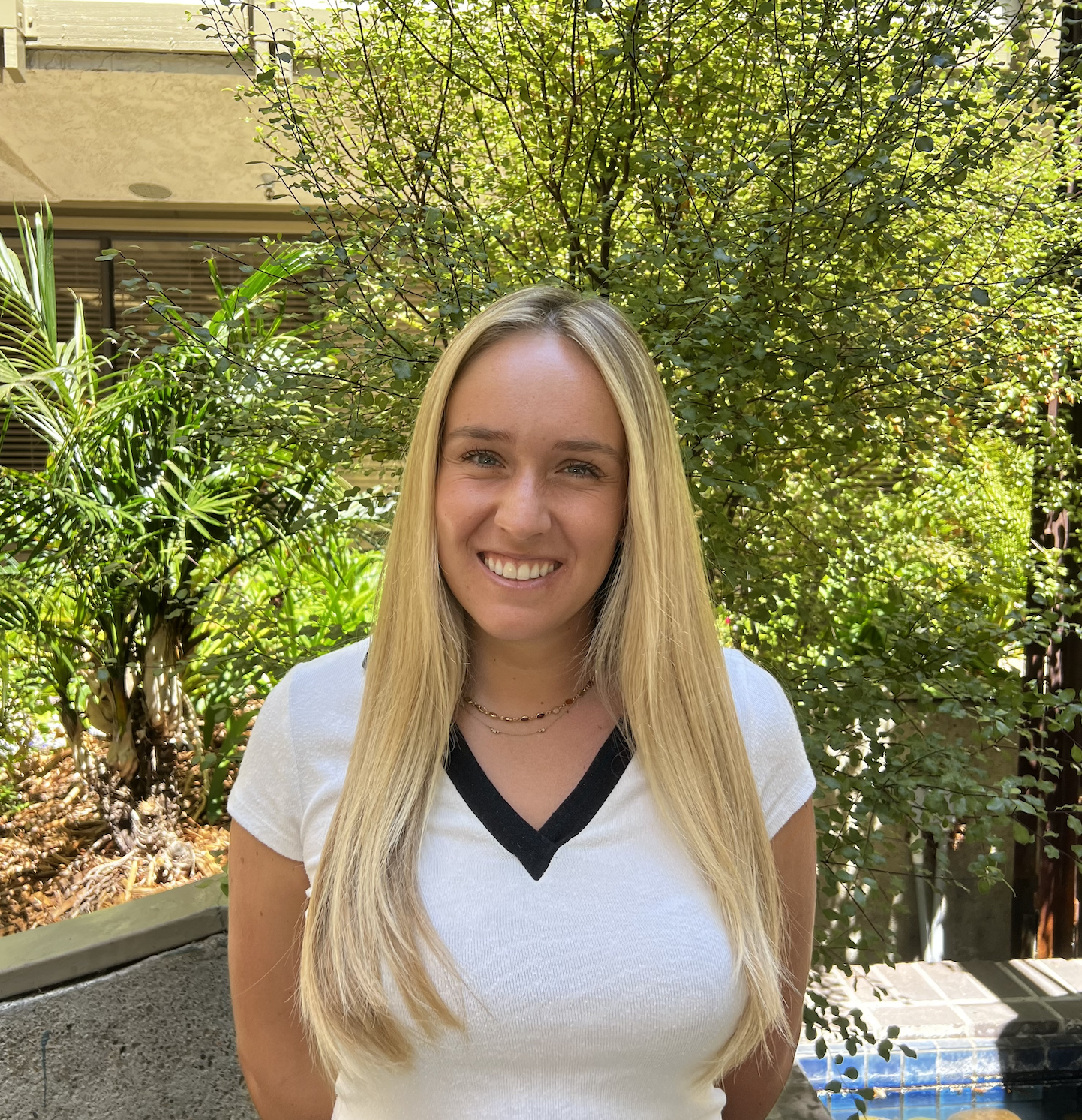
Master’s degree in Clinical Psychology from Pepperdine University.
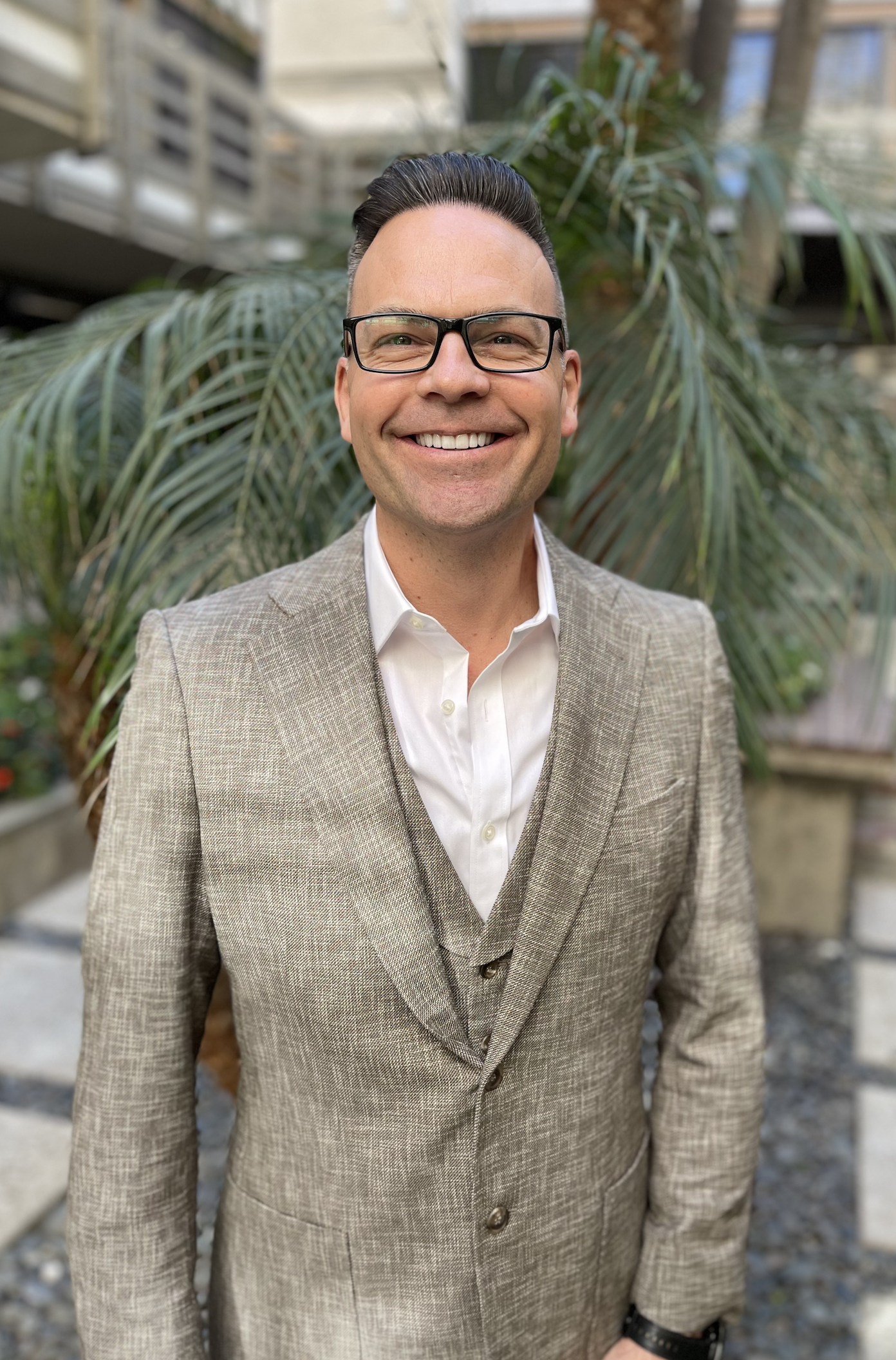
Master’s degree in Counseling Psychology from National University.
Families and clients often describe feeling understood, supported, and guided through care:
“Within days of treatment with him, she was a different person. The understanding, tools and one-on-one support he gave her during the process made all the difference. Brad taught the entire family the tools we needed to manage her OCD. She now has a great job as a medical assistant and will be getting her bachelors degree soon. She is currently only on a very low dose of one medication, and is weaning off of that one.”
“Our son was so nervous and did not believe that this therapy would help him. Within 5 days, he was officially out of the OCD cycle which allowed Brad time to work on relapse prevention and depressive symptoms. Brad’s kind, empathetic, understanding and relatable personality was the key to this therapy working. He made a wonderful connection with our son to ensure he felt safe so that he could trust him. I could not recommend Brad’s intensive therapy program more highly for anyone who is severely impacted by the OCD cycle. I will be forever grateful for all that he has done for our son and for our family.”
“This place is amazing. It's been about 8 months now since I finished the three week intensive outpatient program and I just had to come on here and share my experience because my time here seriously changed my life and I just have so much gratitude for this center and the people that work here.
I was skeptical about the program at first because I had spent a lot of time in regular therapy for my OCD and no one was able to help me get past some compulsions I had been dealing with for over 10 years that seriously interfered with my daily life but what they do here truly works. I still have hard days sometimes but my OCD is so much more under control than it was before coming here! I am so glad I took a leap of faith and let these people help me.
I pretty much had given up hope that I would ever be able to get past some of my biggest and most problematic compulsions but with the guidance and support I got from this place I was able to get my OCD under control and start living the life that I want and I can't thank them enough!”
“It’s been about 5 months since I began the IOP at the OCD Treatment Center, and I feel like it’s finally been long enough for me to say that this program—and Madasen in specific—completely changed, and likely even saved, my life. Before starting this program, I was attending school once or twice a week and was barely able to leave the house.
I felt like there was no way out of the hole I was in, and I was unsure that a three-week program would be enough to help me. Thankfully, I was completely wrong.
When I took my first assessment before beginning the IOP, my OCD symptoms were severe, and by the end of the program, my symptoms were already subclinical. The one-on-one format of the program, combined with daily sessions and “homework” in between them, was exactly what I needed to break the cycle I was in. Before this, weekly therapy just wasn’t cutting it for me.
I’d leave sessions feeling motivated but would almost immediately fall back into compulsions, always telling myself I’d start making real changes “tomorrow.” Dedicating three weeks to focus on my recovery paid off in a big way, and I ended up being able to finish my last semester of college on the best foot possible, both academically and personally.
Madasen made me feel safe enough to open up about my obsessions and compulsions more honestly than I ever had before, and having the opportunity to work with someone who has personal experience with OCD was an absolute game-changer for me. I never felt like I had to fear being judged for what I was experiencing, and she truly helped me understand for the first time that my OCD is not my fault, nor do my thoughts and obsessions align with who I am as a person and what I really want in my life.
If you’re reading these reviews and thinking you’re the outlier and that you can’t be helped, I was right there with you before I started the IOP, and today, my life is exponentially better in ways that I cannot even put into words. I now have the tools and confidence to handle triggers when they arise, and I am no longer living in fear. While I still have difficult days, they’re far less common than the good ones.
Now, even a day that might seem mediocre to most feels incredible to me, because even if I’m spending my day studying, for example, at least I’m free. If you're struggling and unsure where to turn for help, I strongly encourage you to reach out to the incredible team at The OCD Treatment Center. I cannot recommend this program, and especially Madasen, highly enough. Take the leap, put your all in, and commit time to building the life you want.
I’m confident you’ll come out of treatment stronger and more self-assured than before. You got this!”
“The OCD Treatment Center staff and program genuinely changed my life. I thought I was stuck with my severe OCD for the rest of my life and it was not until I started working with Madasen that I started to see a change. At The OCD Treatment Center, Brad's framework consists of three main factors: skill set, tool set, and mindset.
My mindset was so low, as I have been living with severe OCD for the past 15 years! I got so used to hiding my OCD and compulsions, that I felt so hopeless.
The first week of the IOP really delves into the psychoeducation behind OCD and although this first week felt like a month, I learned SO much! Heading into the second week of the IOP, I was equipped with the knowledge to better understand my OCD, meanwhile we had done a lot to create a separation between myself and my OCD. We are NOT our OCD. We are NOT our scary/uncomfortable thoughts and feelings. Madasen really showed me that this mindset and the tools truly do work.
It was NOT easy work, but I felt so supported along the way. Madasen and Brad truly invest their time, energy, and compassion into your healing journey. I looked at a lot of facilities before deciding on The OCD Treatment Center. I had pursued OCD treatment from an online source the year prior and was so discouraged when it was not working. So this time, I knew I wanted to really do my research and do treatment right. The OCD Treatment Center was everything they promised to be and more.
When I had gone in initially to meet the staff and see the facility, Brad (who is the founder and I'm sure a VERY busy man), offered to take over and answer any of my questions so that his staff could go to lunch. He did not have to do that but it was his kindness and his genuine belief in my ability to get better and overcome OCD that ultimately made me continue with the IOP at their facility.
I could write a book about all the ways in which Madasen, Brad, and the The OCD Treatment Center genuinely changed my life and actually gave me my life back. OCD and compulsions were taking up 8+ hours of my day and now I am pretty much compulsion free!!! I got my power back and all the work we did helped me realize I have a choice in the matter. My OCD does not run my life anymore, I do!! Of course I have good and bad days still.
However, the tools and skills I built with Madasen really do provide and support me through the harder, more stressful days. My OCD does not define me and I am forever grateful for the guidance and unwavering support from The OCD Treatment Center team. My life is forever changed because of them.”
“It’s been about 5 months since I began the IOP at the OCD Treatment Center, and I feel like it’s finally been long enough for me to say that this program—and Madasen in specific—completely changed, and likely even saved, my life. Before starting this program, I was attending school once or twice a week and was barely able to leave the house.
I felt like there was no way out of the hole I was in, and I was unsure that a three-week program would be enough to help me. Thankfully, I was completely wrong.
When I took my first assessment before beginning the IOP, my OCD symptoms were severe, and by the end of the program, my symptoms were already subclinical. The one-on-one format of the program, combined with daily sessions and “homework” in between them, was exactly what I needed to break the cycle I was in. Before this, weekly therapy just wasn’t cutting it for me.
I’d leave sessions feeling motivated but would almost immediately fall back into compulsions, always telling myself I’d start making real changes “tomorrow.” Dedicating three weeks to focus on my recovery paid off in a big way, and I ended up being able to finish my last semester of college on the best foot possible, both academically and personally.
Madasen made me feel safe enough to open up about my obsessions and compulsions more honestly than I ever had before, and having the opportunity to work with someone who has personal experience with OCD was an absolute game-changer for me. I never felt like I had to fear being judged for what I was experiencing, and she truly helped me understand for the first time that my OCD is not my fault, nor do my thoughts and obsessions align with who I am as a person and what I really want in my life.
If you’re reading these reviews and thinking you’re the outlier and that you can’t be helped, I was right there with you before I started the IOP, and today, my life is exponentially better in ways that I cannot even put into words. I now have the tools and confidence to handle triggers when they arise, and I am no longer living in fear. While I still have difficult days, they’re far less common than the good ones.
Now, even a day that might seem mediocre to most feels incredible to me, because even if I’m spending my day studying, for example, at least I’m free. If you're struggling and unsure where to turn for help, I strongly encourage you to reach out to the incredible team at The OCD Treatment Center. I cannot recommend this program, and especially Madasen, highly enough. Take the leap, put your all in, and commit time to building the life you want.
I’m confident you’ll come out of treatment stronger and more self-assured than before. You got this!”
“Treatment was something that was something that I didn’t feel like was right for me until I did and found The OCD Treatment Center. I was scared of what the treatment would look like, but in the first week of the intensive care program, I really learned everything about OCD and gaining tools to be able to then go through exposure treatment. The exposure treatment is hard and it’s supposed to be, but after each day, I felt so much better.
The tools learned in the program are what are keeping me on track and feeling the best I’ve felt in a long time. Through the hard work put in and all the help from the OCD Treatment Center, I can truly say I’ve gotten my life back on track and feeling like me again.”
“I recently finished the 3 week IOP program here and feel incredibly blessed for this experience. I am 22 and have struggled with severe OCD since I can remember. After experiencing extreme depression and anxiety on and off for years, I had reached a breaking point. While I knew I had OCD and that this could be a part of the issue, I had no idea the large role it played in my life.
Unfortunately, I believe from my experience that many therapists and programs that are said to focus on OCD don’t have a deep understanding of the complexities of the disorder and the severity of my OCD was overlooked for many years. This center educated me on how this disorder presented itself in my life and the right approach to heal from it. I found that many of the skills I was previously taught to help my anxiety was worsening my OCD.
Czarina was an amazing therapist that was understanding, nonjudgemental and so welcoming. Through this experience, I feel I have an entire new perspective on my life and my approach towards it. I feel incredibly validated in many things I previously held much shame for and feel motivated and confident to move forward in my life. The director and staff truly want to see you thrive and work together throughout your program. The best advice I could give is be honest and be willing to buy into it.
I highly recommend this program to anyone struggling with OCD, you’re understood and deserving of quality treatment.”
“The OCD treatment center is one of those places that really understands OCD, both in the complexity of its manifestations and the naunces of treatment. My therapist, Tiffany, has been a key part of my recovery---from developing effective strategies and tools for treatment, to helping me better understand the person I am.
I'm very grateful for the OCD treatment center.”
“The team at OCD Treatment Center is not only professional but highly capable as professionals in their space. The office itself is inviting and I felt very comfortable with all interactions I had during my time with them. Madison was calm, precise in communication, and provided great tools.
It helps when you feel that people are passionate about what they do and the Owner Brad Wilson leads with that level of passion. Thank you to the whole team for the love and support you showed me.”
“Brad and his team have done a phenomenal job at creating a program that's actually helping folks find relief from the gripping effects of OCD. He's a colleague I trust immensely and would highly recommend consulting with his center if you or loved one is seeking support for OCD.”
“Polly has truly been a godsend. She listens with genuine care and takes the time to really get to know me. With her, I feel seen, heard, and never judged. She's helped me recognize where my sneaky obsessions hide, and thanks to her tools and guidance, I've been able to avoid so much suffering.
I would highly recommend her and The OCD Treatment Center for anyone seeking help for OCD.”
“This review is from my son who just completed an intensive outpatient with Madasen. The OCD Treatment Center helped me control my ocd for the first time in my life. They use evidence based treatment methods, and explain each step of the way, so I felt as if I was making clear progress.
I've gained the tools necessary to stop any future relapse of symptoms on my own.”
“The OCD Treatment Center changed my life. If you are on the fence about seeking intensive treatment, do it. I was absolutely terrified to start for so many reasons. But I'm so glad I did it; it was worth every penny. My experience here made me feel seen, heard, and helped in a way different than any other therapist or clinic had before. They tailor treatment to each individual, which is truly a critical piece to recovery, as each person's OCD manifests in different ways.
They not only gave me the tools I need to recover, but they explained the "how" and the "why" behind them. They helped me comb throught my OCD with a fine toothed comb so that I was able to fully understand it and recognize it from a mile away. This was a game changer because it helped me establish a foundation for recovery and to fully trust the process. I was worried that I would be treatment resistant or that my OCD was the "worst" but I now know better.
Not only did we practice ERP, but they helped me change my core foundational beliefs about myself and my outlook on life. Although ERP is hard, I know have the confidence and experience to know that I can face my biggest fears head on, and that the feelings that come with that will not kill me. I am strong enough to handle it.
Recovery from OCD is so much more than ERP; it takes self compassion, acceptance, developing healthy core beliefs, recognizing cognitive distortions, being cognizant of what your OCD looks like and how it manifests for YOU, having a support system, and having trust in not only the process, but yourself. The OCD treatment center helped me in all of these areas, all of which have been integral to my recovery.
I will be forever grateful to the OCD treatment center, but especially to my therapist Madasen, and Brad. They are amazing and will change your life; I know they did for me.”
“So grateful for my time working with Brad. I learned so much and felt beyond supported. The OCD education and tools taught during the coaching sessions were easy to understand and the support and encouragement given while implementing was a game changer. I personally loved the mindset work Brad passionately teaches. Thank you!”
“Brad and his team are wonderful to work with if you are looking for top notch treatment for OCD.”
“This experience is based on the interactions I’ve had with Brad Wilson. Firstly, super knowledgeable and has years of experience dealing with patients who have variety of spectrums of OCD. Chatting with him is really relieving because there is a solution to almost every case and he prepares you on how to combat your situation.
Secondly super genuine and sincere. Seriously one of the nicest people you’ll ever meet and he doesn’t let you go off on your own. His patience makes it super worthwhile on its own.
This isn’t something that can be fixed overnight unfortunately; however, knowing someone like him is in your corner is definitely a step in the right direction.”
“I experienced severe o c d symptoms that were very debilitating and made my world I live in very small . There was no joy in my life. I finally signed up for the o c d treatment center and I worked with mike . I don't know if I have any words that I could express how mike has helped improve my life . By doing so, he's made me more available for my wife. My children and my grandchildren. He has affected the lives of many people. More than he will ever know.
I can never Express how thankful I am.for What is done for me. Thank you mike”
“I had an amazing experience at The OCD Treatment Center! I did an IOP with Madasen McGrath-Wilson and it was life changing for me. Over the course of the three week intensive program, I felt very supported and was able to address my triggers and regain confidence in myself as well as my recovery process after a few years of being in stuck in the OCD cycle again.
Madasen held space for all the emotions that came up throughout treatment with grace and compassion while always holding me accountable to my treatment goals. Getting my life back on track has been so fulfilling and I cannot thank Madasen as well as the Founder, Brad Wilson, enough! Thank you Madasen and The OCD Treatment Center team for all that you do!”
“Within days of treatment with him, she was a different person. The understanding, tools and one-on-one support he gave her during the process made all the difference. Brad taught the entire family the tools we needed to manage her OCD. She now has a great job as a medical assistant and will be getting her bachelors degree soon.
She is currently only on a very low dose of one medication, and is weaning off of that one.”
Severe anxiety is more than ordinary stress. It may involve excessive worry, panic attacks, avoidance, sleep problems, difficulty concentrating, irritability, muscle tension, racing heart, shortness of breath, dizziness, nausea, trembling, sweating, or a repeated sense of danger even when no clear threat is present.
Generalized anxiety often feels like a mind that cannot stop scanning for the next problem. Worry can move from work to health, family, money, and the future. Even when one concern settles, another takes its place. The result is not just mental stress; it can become physical exhaustion, muscle tension, poor sleep, irritability, and a body that always feels braced for something.
How we treat it: We work on the worry loop directly: uncertainty training, cognitive work, exposure to feared outcomes, somatic regulation for chronic activation, and ACT-based practice so daily decisions are not being run by fear.
If your symptoms are not listed here, that does not mean they are not important. Anxiety can show up in many forms, and a clinician can help you understand what level of support may fit.
You do not need the exact anxiety label. If anxiety is interfering with daily life, it may be worth asking what level of care fits.
Call to Discuss Treatment Options →Many people begin by reading about anxiety symptoms and treatment options. The next question is often whether weekly therapy is enough, whether intensive outpatient care may be appropriate, or whether another level of care would be safer.
Sessions may be useful, but symptoms, avoidance, panic, or worry continue to return between appointments.
Driving, sleep, work, school, relationships, travel, or regular routines may begin to revolve around anxiety.
Racing heart, shortness of breath, dizziness, nausea, trembling, or panic sensations may lead to fear, avoidance, or repeated checking.
You may have read symptom pages, compared treatment programs, and still not know whether your anxiety needs more support.
A first conversation can help you understand options without committing to a program before you are ready.
You do not have to diagnose your own severity before asking for help. A short call can help clarify whether intensive anxiety treatment, weekly therapy, PHP, residential care, or another path may make the most sense.
Not sure what level of care fits? A clinician can help you compare options and decide what information matters.
Discuss Treatment Fit →Severe anxiety treatment may include CBT, exposure therapy, ACT, medication support through an outside prescriber, intensive outpatient care, PHP, or another level of care. Use the sections below to understand what may fit your situation.
Across 26 weeks of weekly sessions. Between appointments, symptoms and avoidance may continue to be practiced in daily life.
One-on-one clinician time, Monday–Friday, over 3 weeks, with more repetition and support than standard weekly outpatient care.
The main difference is not only total hours. It is frequency, repetition, and support while anxiety symptoms are active.
Answer a few questions about previous or current therapy. The goal is to identify whether key treatment components were included.
Each item can be a reason weekly therapy may not have helped enough. Here is what may have been missing and how treatment can be adjusted.
Your past therapy may not have included every component you needed. For severe anxiety, the specific ingredients that move the needle are the ones you did not get. That's exactly what our program is built to deliver.
A 20-minute call with one of our clinicians is a place to explain what has been happening, ask questions, and understand whether intensive severe anxiety treatment, weekly care, or another level of support may fit.
No pressure. No commitment. Just a real conversation with someone who treats severe anxiety every day, so you can get clarity without having to solve this on your own first.
Tell us what you're struggling with, how long it's been this way, and what treatment (if any) you've tried.
If our intensive is the right fit, we'll say so. If weekly therapy would serve you better first, we'll say that too.
Reaching out does not lock you into treatment. It is simply a conversation to help you understand what makes sense for your situation.
Many people who reach out start with the same sentence: "I don't know if I'm the right fit for this." Sometimes they're not sure if their anxiety is severe enough. Sometimes they've been through so many therapists they don't trust a new one yet. Sometimes they just don't know what they're looking at anymore.
The free 20-minute consultation is designed for that exact place. A clinician will ask what you are going through, help you make sense of it clinically, and tell you honestly what they think would help most.
That might be our intensive. It might be weekly therapy first. It might be a different provider entirely. You will not be pushed toward any of them. The whole point is clarity, not commitment.
You don't need a diagnosis, a treatment history, or a clear description of your symptoms. A vague "something isn't working" is enough to start.
Part of the call is helping you understand what you're dealing with — whether it is severe anxiety, OCD, panic, health anxiety, or something else that needs a different kind of support.
Whether it's our intensive, weekly therapy, or a referral to someone better suited — you'll leave the call with a concrete next step, not more uncertainty.
When severe anxiety, panic, avoidance, or OCD-related fears start affecting daily life, the next step is understanding what kind of treatment is appropriate. The OCD Treatment Center helps adults and families review options and consider whether structured intensive care may fit.
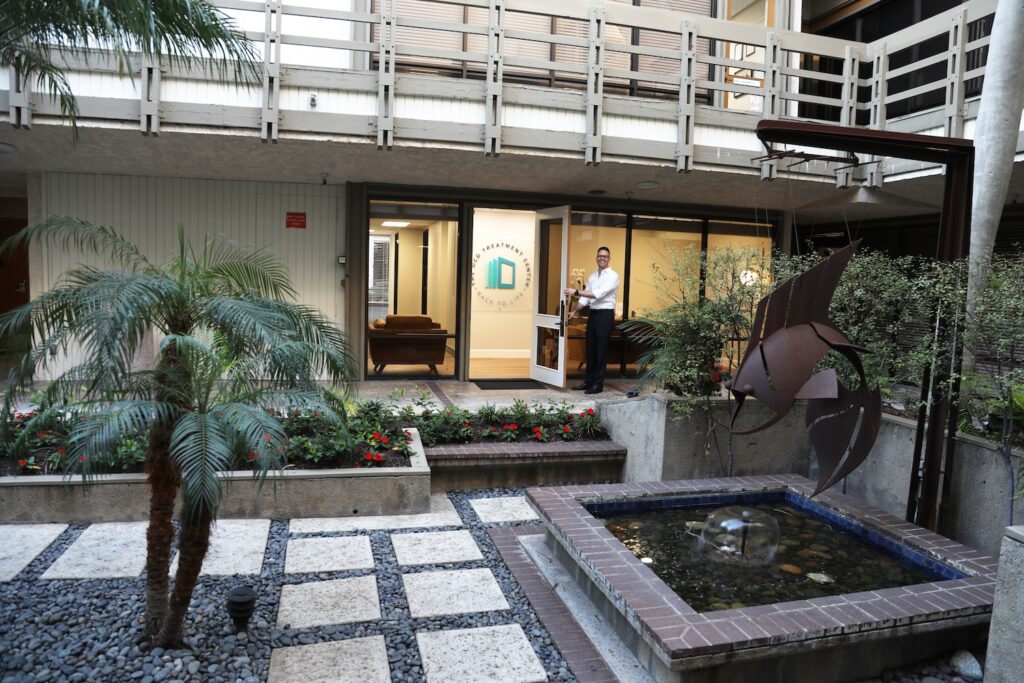
We integrate CBT, exposure-based treatment, ACT, I-CBT, and somatic regulation so care can address worry, panic sensations, avoidance, reassurance-seeking, and daily functioning.
Evidence-based, anxiety-specific treatment. We stay focused on the loop itself instead of treating anxiety like background noise.
More than standard CBT alone. We bring in the added tools that help treatment go deeper and hold longer.
If you have been comparing options and still feel unsure, a short clinical conversation can help you decide what level of care to consider next. Call now or request a consultation and we will help you sort out what fits.
If this sounds close to what you need, the next step may be a short call to discuss symptoms, treatment history, and fit.
Call (949) 398-8350 →We measure symptoms during care so clients and clinicians can track progress. Outcomes vary, but measurement helps make treatment more concrete and gives the team useful information about what is changing.
Among clients who completed the full 3-week intensive program between 2022 and 2025, validated anxiety severity measures showed an average symptom reduction of 80%.
In practical terms, measurement helps track whether treatment is improving avoidance, daily functioning, panic symptoms, and the ability to participate in normal routines.
Individual results vary. A formal assessment during intake helps the team understand severity, symptoms, and appropriate treatment goals.
Want to understand what care could look like for you? A clinician can help you review symptoms, options, and next steps.
Discuss My Treatment Options →Weekly therapy can be helpful, but severe anxiety may require more frequent practice, clearer exposure planning, and support around the behaviors that keep anxiety going between sessions.
For some people, severe anxiety needs anxiety-specific treatment with more structure, repetition, and clinical support than weekly care can provide. The goal is to match the level of care to the severity of the symptoms.
In practice, that may include more frequent sessions, in-session exposure work, attention to physical anxiety symptoms, CBT skills, ACT-based practice, and family guidance when accommodation or reassurance is part of the pattern.
Our clinicians work with severe anxiety, panic, avoidance, and OCD-related fears. Specialization can help treatment identify the specific behaviors and symptoms maintaining the anxiety cycle.
The 3-week format provides 45 hours of one-on-one clinician time, creating more opportunities for practice, review, and adjustment than a standard weekly schedule.
CBT is a foundation for anxiety treatment. Depending on the presentation, we may also use exposure work, ACT, Inference-Based CBT, and somatic regulation to address the cognitive, behavioral, and physical parts of anxiety.
Loved ones may unintentionally reinforce avoidance or reassurance-seeking. When appropriate, we help families respond in ways that support treatment rather than strengthen anxiety patterns.
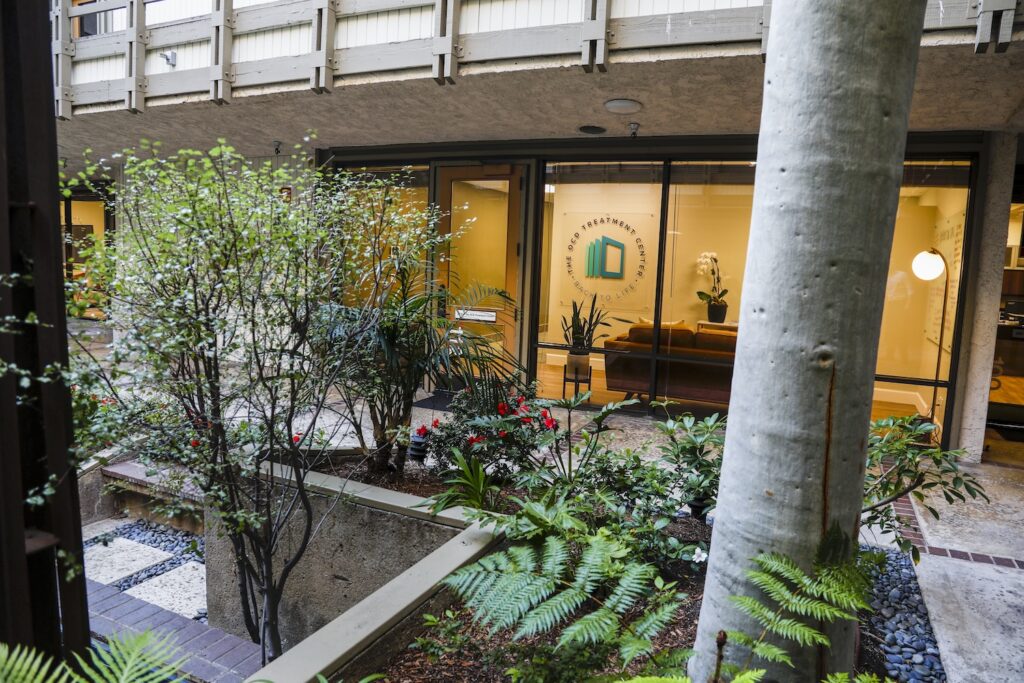
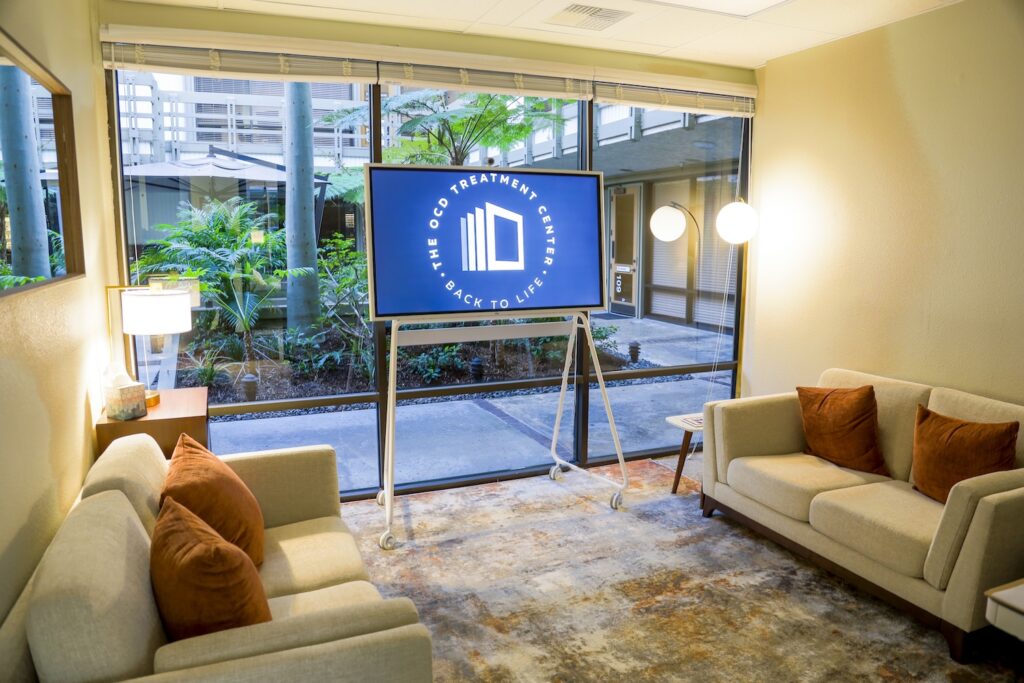
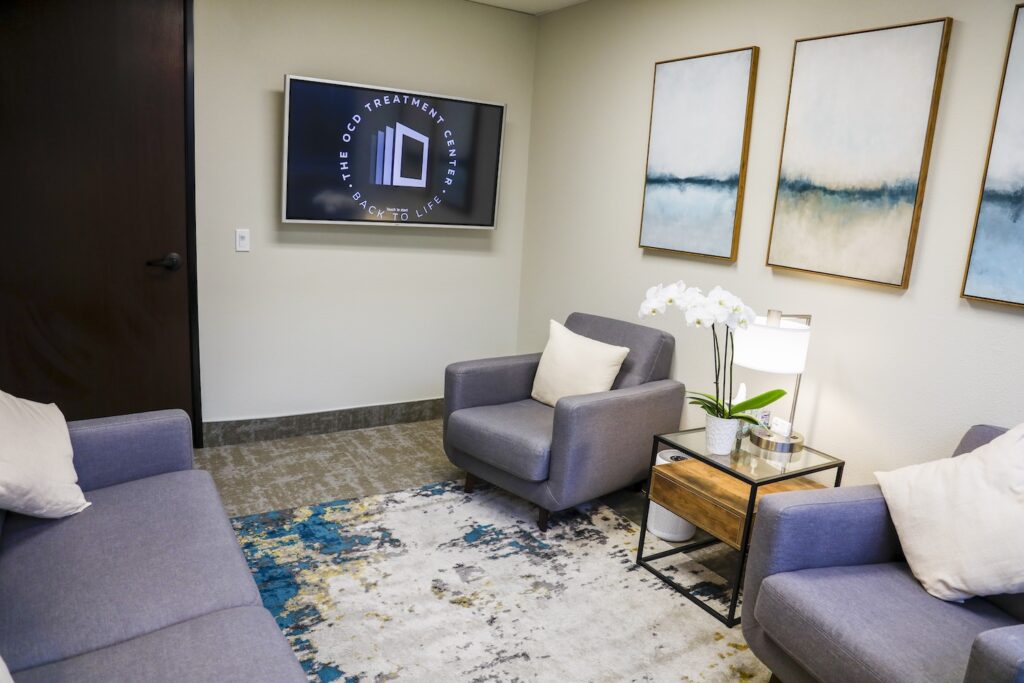

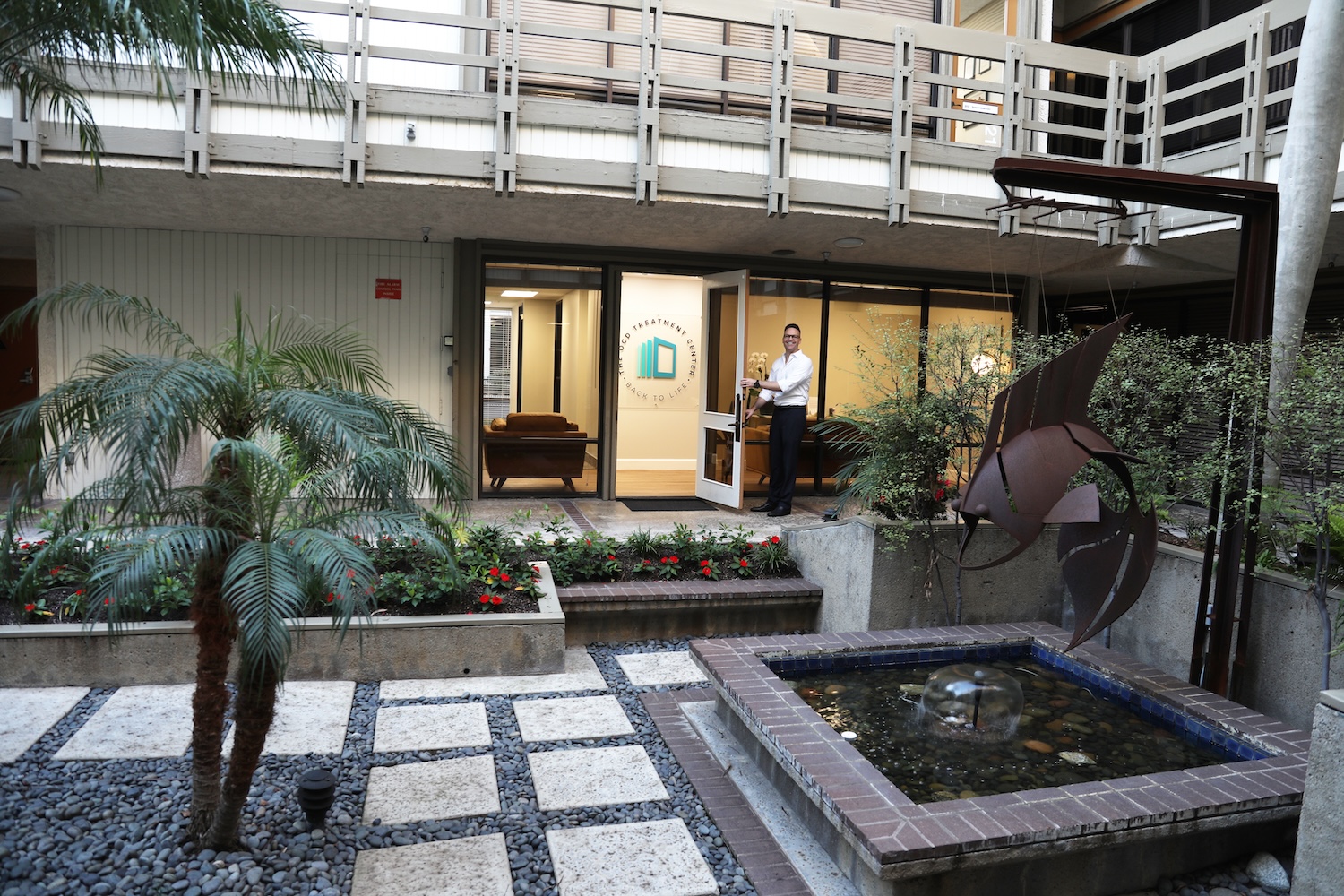
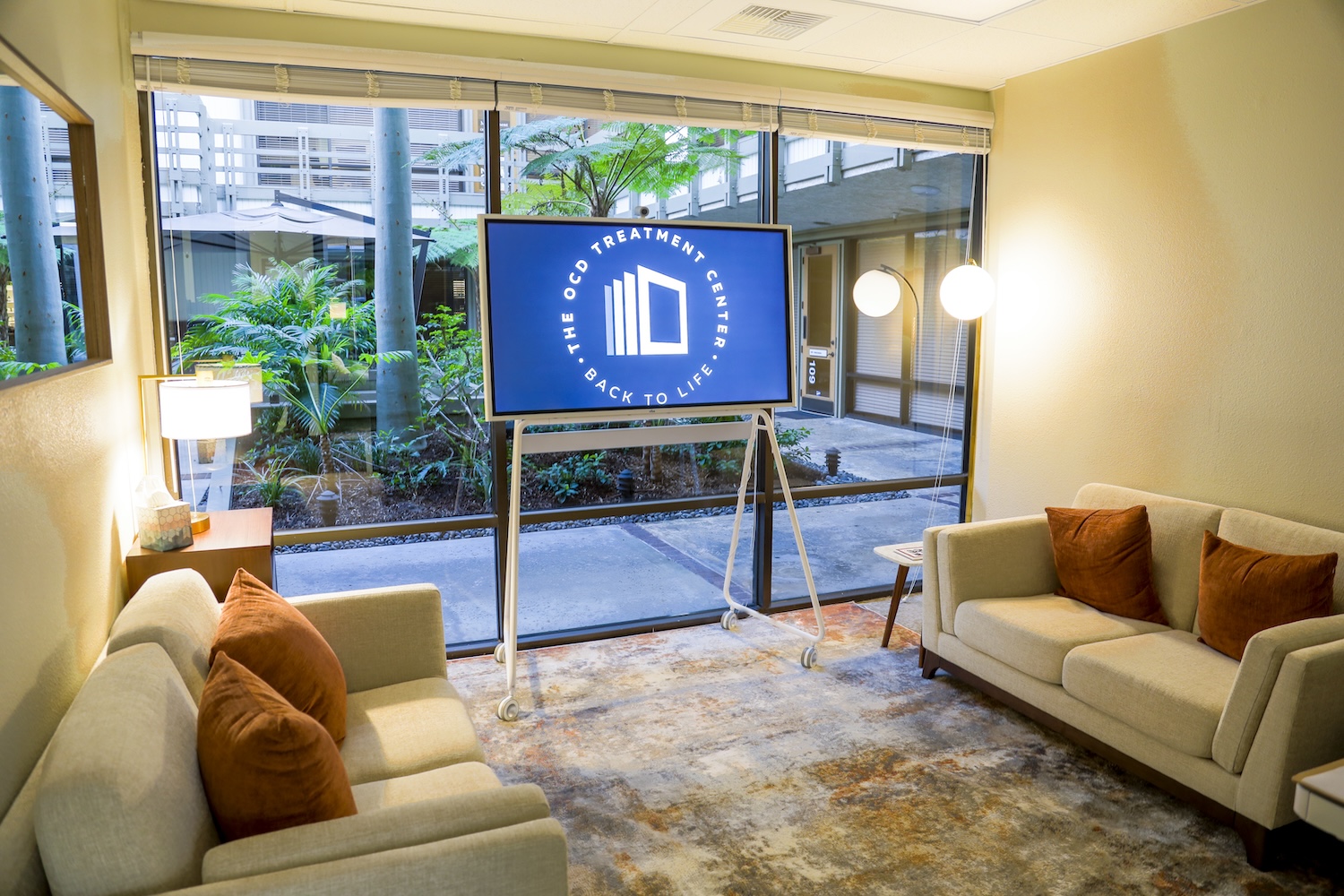
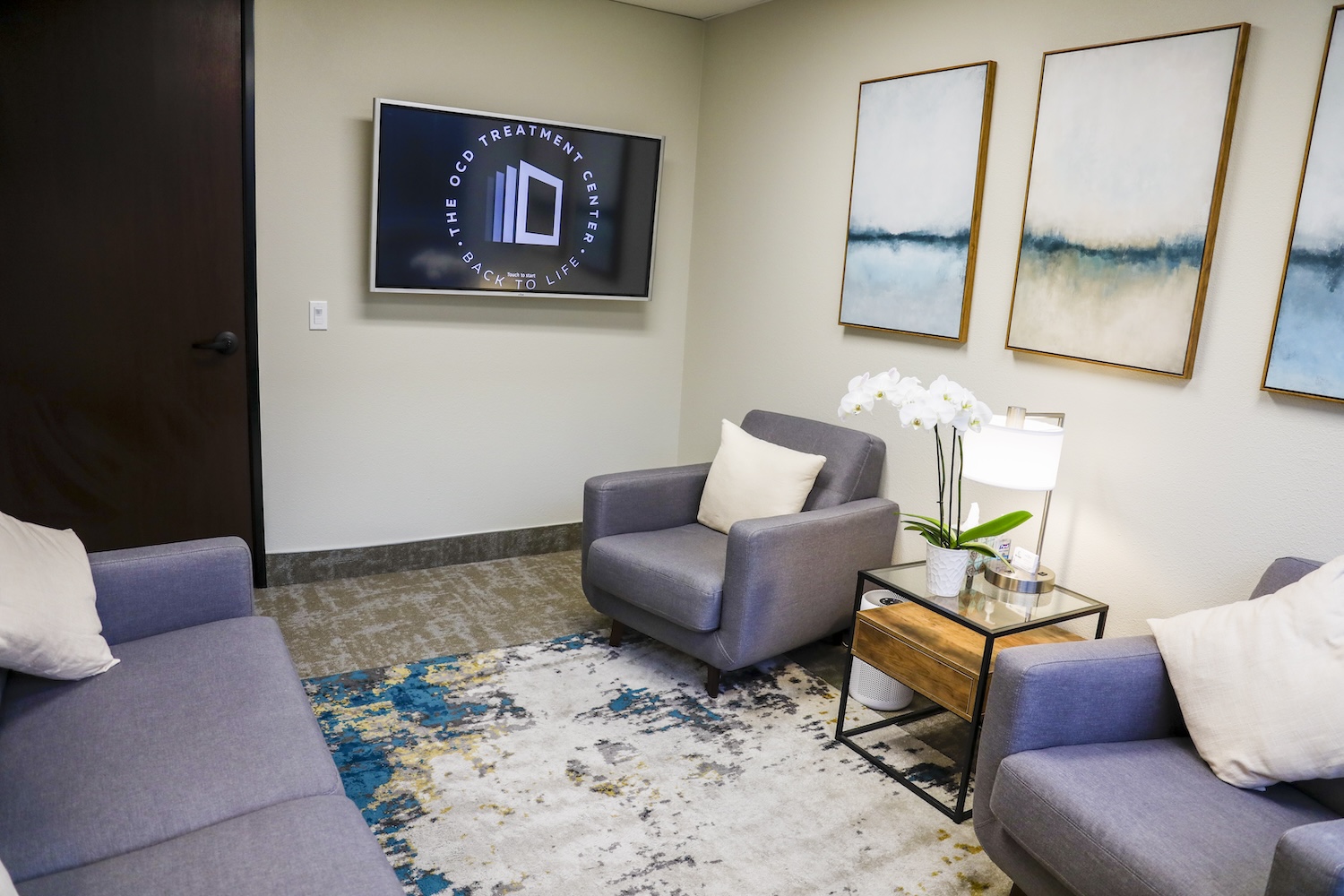
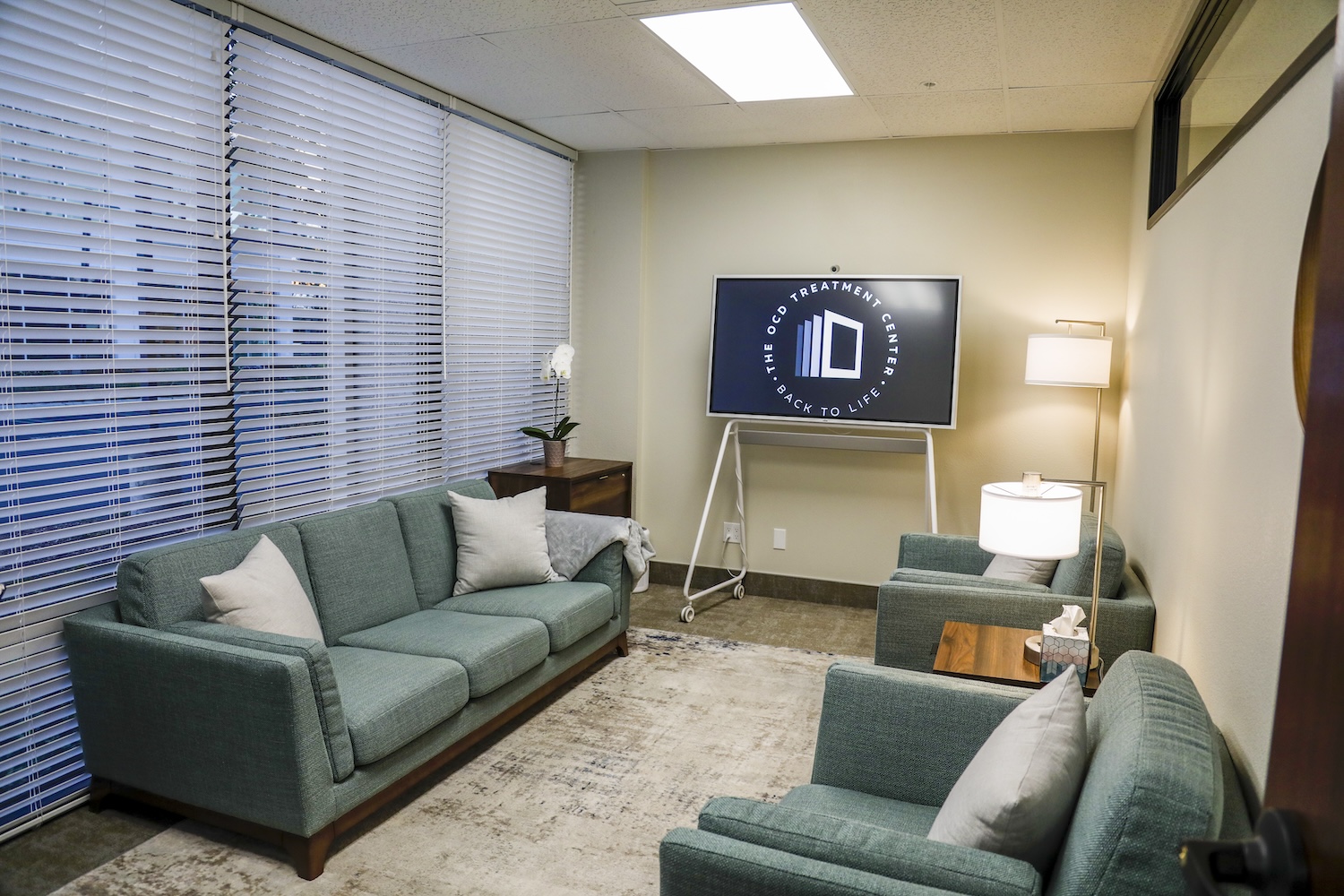
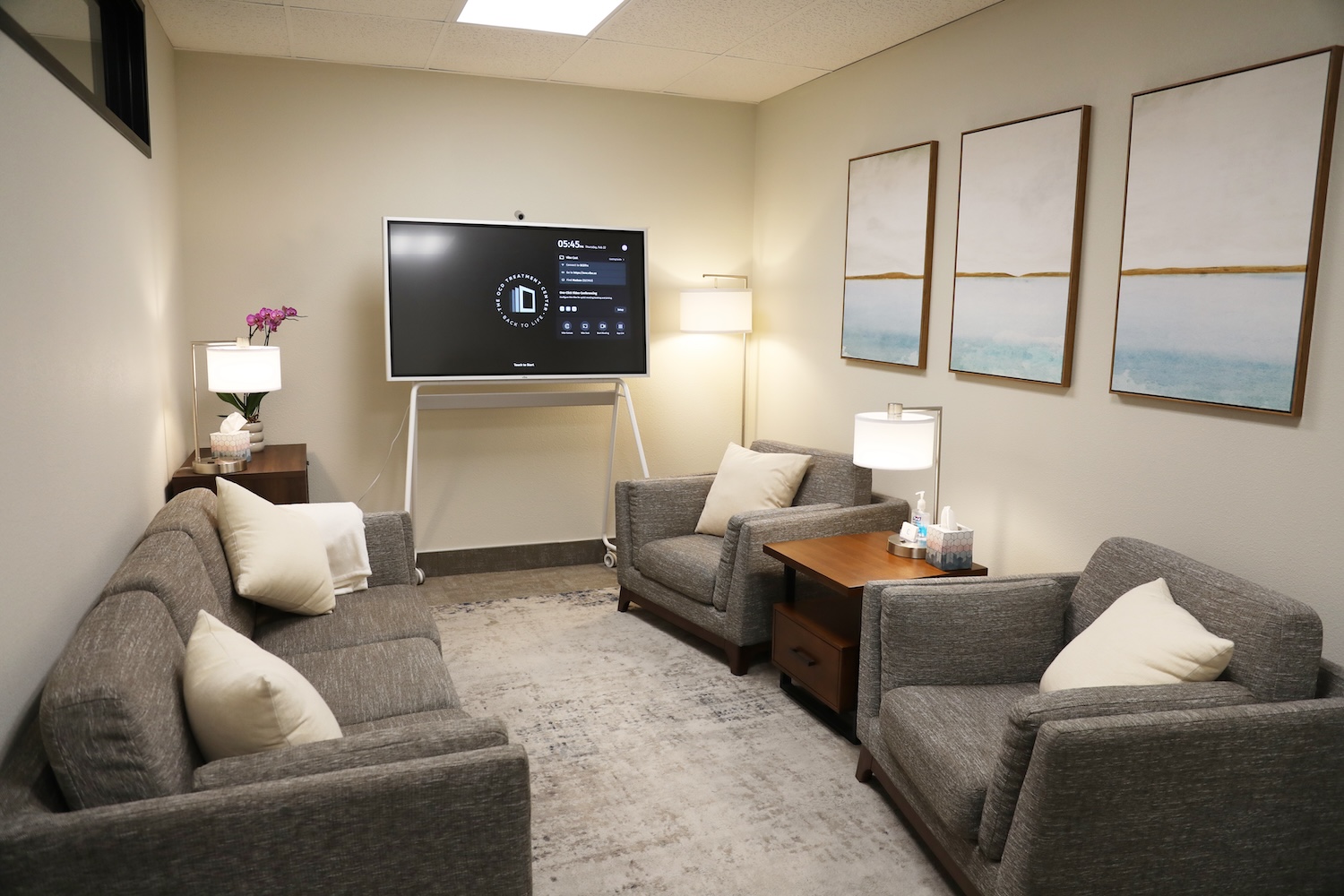
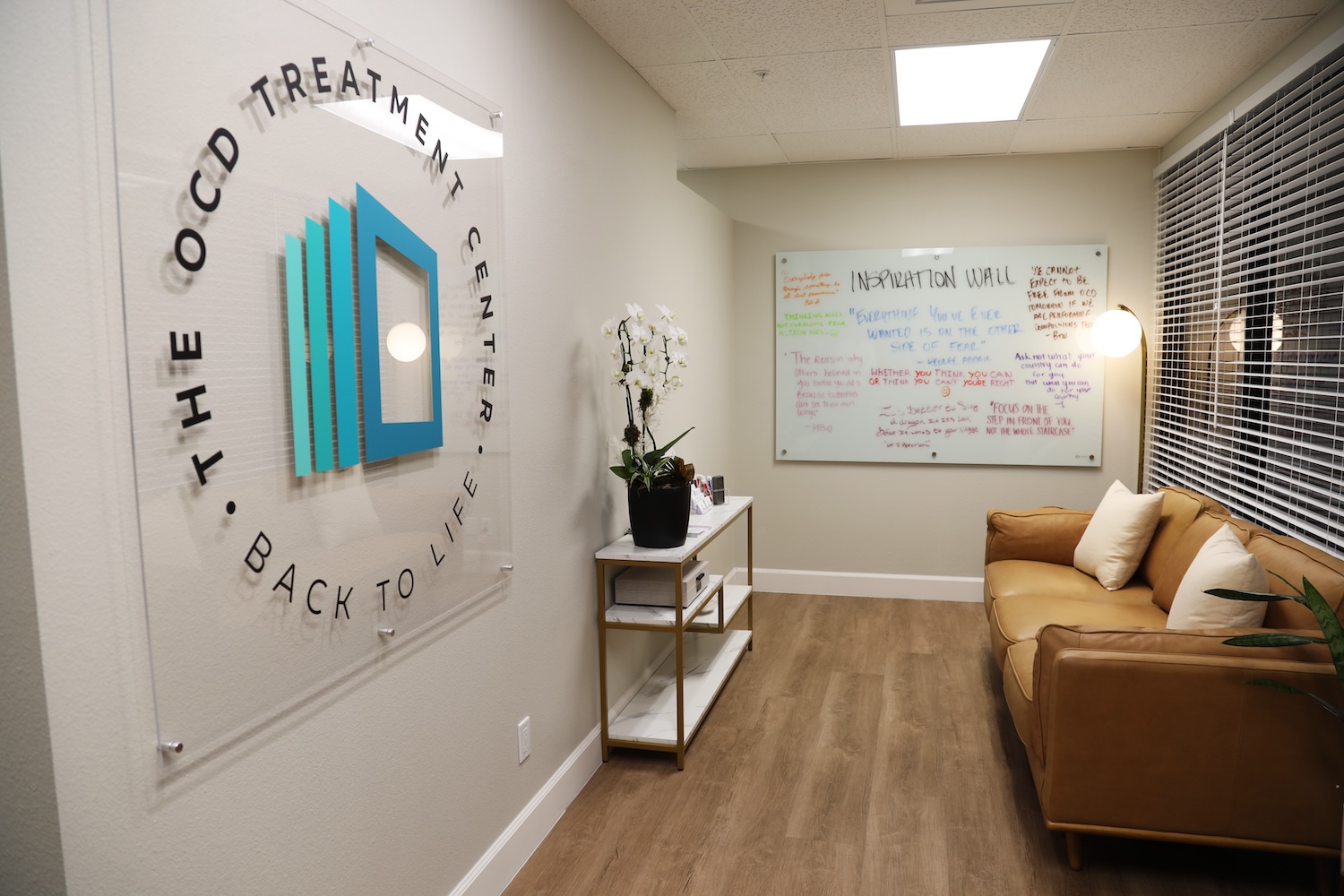
A calm clinical setting for structured anxiety treatment.
Many people look for severe anxiety treatment after trying therapy, coping skills, medication, or self-help strategies. When symptoms continue, the question is not blame. The question is whether the treatment included the right components, intensity, and support for the severity of the anxiety.
Some therapy is supportive but not specific enough for severe anxiety. Treatment may need to identify avoidance, physical symptoms, reassurance-seeking, panic patterns, and how anxiety changes from week to week.
Our clinicians look for the patterns maintaining anxiety, including panic, avoidance, body scanning, safety behaviors, reassurance, and the difference between short-term relief and long-term change.
Exposure therapy can be challenging, especially at first. It should be planned carefully, paced clinically, and supported so the person can practice new responses without feeling flooded or abandoned.
We structure exposures step by step, monitor responses, and help clients stay with the practice long enough for new learning to occur.
Reassurance may reduce anxiety for a moment, but repeated checking or certainty-seeking can teach the brain to keep returning for more reassurance. Treatment often focuses on tolerating uncertainty instead.
Treatment may include uncertainty practice, response prevention, and family guidance so loved ones can support recovery without becoming part of reassurance cycles.
Some people understand their anxiety well but still feel stuck because the treatment has not directly targeted avoidance, physical fear, reassurance, or worry behaviors in daily life.
Our program combines specialized exposure work, ACT, I-CBT, somatic regulation, repetition, and clinical review so treatment stays focused on the mechanisms keeping anxiety active.
Severe anxiety often includes racing heart, shallow breathing, lightheadedness, stomach symptoms, sweating, trembling, or chronic tension. These symptoms deserve direct attention, not dismissal.
Treatment may include interoceptive exposure, somatic regulation, and structured practice with body sensations so the nervous system can learn that activation is uncomfortable but not dangerous.
Some treatment plans are too broad. When triggers, body responses, avoidance patterns, and daily-life context are not mapped carefully, treatment may feel generic.
We map symptoms, triggers, avoidance behaviors, body responses, and daily-life impact so treatment can be targeted to the person, not just the diagnosis.
You do not need to decide anything yet. Start here. The next section explains why severe anxiety often needs more support than standard weekly care.
A weekly session may be helpful, but severe anxiety can continue to be reinforced through avoidance, reassurance, checking, and panic responses during the rest of the week. In some cases, the issue is not effort; it is the amount and frequency of support.
More frequent structured exposure and cognitive work can create repeated opportunities to practice new responses. For severe symptoms, intensity may help reduce long gaps between learning and real-life practice.
Many people read symptom lists, treatment pages, and provider comparisons before reaching out. Research can be useful, but it can also become another way to seek certainty when anxiety is high.
If the information here sounds familiar, you do not need a perfect explanation before asking what level of care may fit.
You can start with a short clinical conversation.
Call About My Anxiety Fit Now → Check My Treatment FitPeople often compare outpatient therapy, IOP, PHP, residential treatment, and inpatient care when anxiety starts affecting daily life. The right fit depends on symptom severity, safety, diagnosis, daily functioning, and how much structure is needed.
For many people with severe anxiety who are not in acute crisis, an intensive outpatient program may provide more structure than weekly care while still allowing them to sleep at home and practice skills in real-world settings.
The sections below explain the difference in plain language.
PHP usually involves several hours of treatment per day and may include group therapy, psychiatric oversight, medication management, skills training, and clinical monitoring. It can be appropriate when someone needs significant daily support or stabilization.
PHP can be important care when that level of support is clinically needed.
IOP can be a fit when anxiety, panic, avoidance, OCD-related fears, or severe worry patterns are interfering with life, but the person does not need inpatient or hospital-level stabilization. The goal is more repeated practice, more clinician contact, and more support applying treatment skills.
For severe anxiety, the structure and focus of the IOP matters.
The question is not which level of care is “best” in general. The question is which level of care fits the person’s symptoms, safety needs, treatment history, and daily functioning.
For severe anxiety, two practical factors often matter most.
CBT and exposure-based treatment help people practice new responses to feared thoughts, body sensations, situations, and uncertainty. This kind of learning often needs repetition and support, especially when avoidance has become part of daily life.
For some people, weekly sessions leave too much time between practices. A structured IOP can create more opportunities to plan, practice, review, and adjust treatment while symptoms are active.
The goal is not simply more hours. The goal is the right kind of practice, delivered with enough frequency to support new learning.
Anxiety may appear while driving, sleeping, working, studying, parenting, socializing, or noticing physical sensations. Treatment should help people practice new responses in the situations where anxiety actually appears.
An outpatient intensive format can support this because clients return to daily life between sessions and can bring real examples back into treatment the next day.
This helps treatment connect clinical work with the actual places, routines, and triggers where anxiety has been interfering.
When comparing anxiety treatment programs, ask whether the program is built around severe anxiety specifically, how much individual clinician time is included, whether exposure work is practiced in session, how progress is measured, and what happens if a different level of care is more appropriate.
The goal is to match the treatment format to the person’s symptoms, history, and safety needs. A consultation can help clarify whether IOP, PHP, weekly therapy, residential care, or another option should be considered.
A different level of care may be more appropriate in some situations:
If severe anxiety continues to interfere with daily life despite weekly care, a structured consultation can help determine whether intensive outpatient treatment is worth considering.
The first call is a chance to ask questions and discuss what level of care may fit. If our program is not appropriate, we can say that clearly and help you think through next steps.
Note: If you are unsure whether IOP, PHP, weekly therapy, or another level of care is appropriate, the consultation is designed to help clarify that question.
Our approach begins with CBT and exposure-based treatment, then adds ACT, I-CBT, somatic regulation, and family guidance when clinically appropriate. The goal is to address severe anxiety from multiple angles while keeping treatment structured and practical.
Graded exposure to feared situations, sensations, thoughts, and outcomes, practiced with support and connected to daily-life situations when appropriate.
Acceptance and Commitment Therapy can help build flexibility so decisions are guided by values rather than only by fear or avoidance.
Identifying catastrophic predictions, overestimation of threat, intolerance of uncertainty, and thinking patterns that keep anxiety active.
When reassurance or accommodation is part of the anxiety cycle, family guidance can help loved ones support treatment in a more effective way.
You do not have to know the exact type of anxiety before you ask for support. But if your symptoms take a specific form, the next section may help you feel more clearly understood without needing to sort it all out alone first.
When reading stops clarifying and starts looping, the next right step is a clearer conversation. The section below shows what treatment looks like, so the path forward feels less uncertain.
The first step does not require certainty. The two steps below explain how to begin and what happens during the first conversation.
You do not need a perfect explanation or exact diagnosis before contacting us. Describe the symptoms, what you have tried, and how anxiety is affecting daily life.
Initial consultation requestOur team listens, answers questions, and helps you understand whether intensive anxiety treatment, weekly therapy, PHP, residential care, or another option may be appropriate.
Clinical guidance
"Effective anxiety and OCD treatment should be specific, structured, and deeply understood."
Brad did not start as a therapist. He started as a client. For more than a decade, he moved from one treatment provider to the next. He was promised help for anxiety and OCD, but he never received the care he actually needed — and he lost his entire 20s to the cycle.
After finally finding effective care through exposure work and CBT, Brad came out of the cycle just before turning 30. From that point forward, he committed his life's work to helping others come out faster than he did.
Brad became Director of Business Development at The Gateway Institute in 2014, then returned to school to train clinically. He has since co-facilitated over 60 intensive treatment programs and helped hundreds of clients break free of severe anxiety and OCD. He earned his Masters in Counseling Psychology at National University in 2018, his LMFT license in 2022, and his LPCC license in 2023.
While working within the traditional CBT and exposure model, Brad recognized that clients needed additional tools to achieve faster, more permanent results. He developed a framework that does not just help people come out of the loop — it teaches them how to stay out of it for life.
Below are clinicians and team members families often want to know more about before reaching out. The team brings training in anxiety, OCD, exposure-based care, CBT, ACT, and client support.
Master's degree in Clinical Psychology from Pepperdine. Tiffany began working directly with patients affected by severe anxiety and OCD during her practicum training at the UCLA OCD Intensive Treatment Program.
Read Tiffany's full bio →
Master's degree in Marriage and Family Therapy from Chapman University. Madasen has worked in severe anxiety and OCD treatment settings for over three years and also offers a faith-based treatment perspective upon request.
Read Madasen's full bio →
Master's degree from Azusa Pacific University, with undergraduate study in Neuroscience at USC. Polly works with severe anxiety using exposure work alongside CBT, mindfulness, and ACT, with a calm and empathetic style.
Read Polly's full bio →
Master's degree in Social Work from Ohio State University, with a psychology degree from Southern Utah University. Mike's own recovery journey led him to specialize in exposure work and ACT for severe anxiety.
Read Mike's full bio →
Master's degree from Hope International University, following undergraduate degrees in Human Development and Psychology from UC Davis. Alyssa builds personalized treatment plans and may also use EMDR when appropriate.
Read Alyssa's full bio →
Master's degree in Clinical Mental Health Counseling from the University of Pittsburgh. Ronald has worked with children and adolescents in intensive group settings and individual outpatient therapy with moderate to severe anxiety presentations.
Read Ronald's full bio →
Master's degree in Marriage and Family Therapy from Chapman University, after studying Psychology and Human Development at UC Davis. Virginia's clinical work is also shaped by her own personal recovery journey with OCD and her understanding of severe anxiety.
Read Virginia's full bio →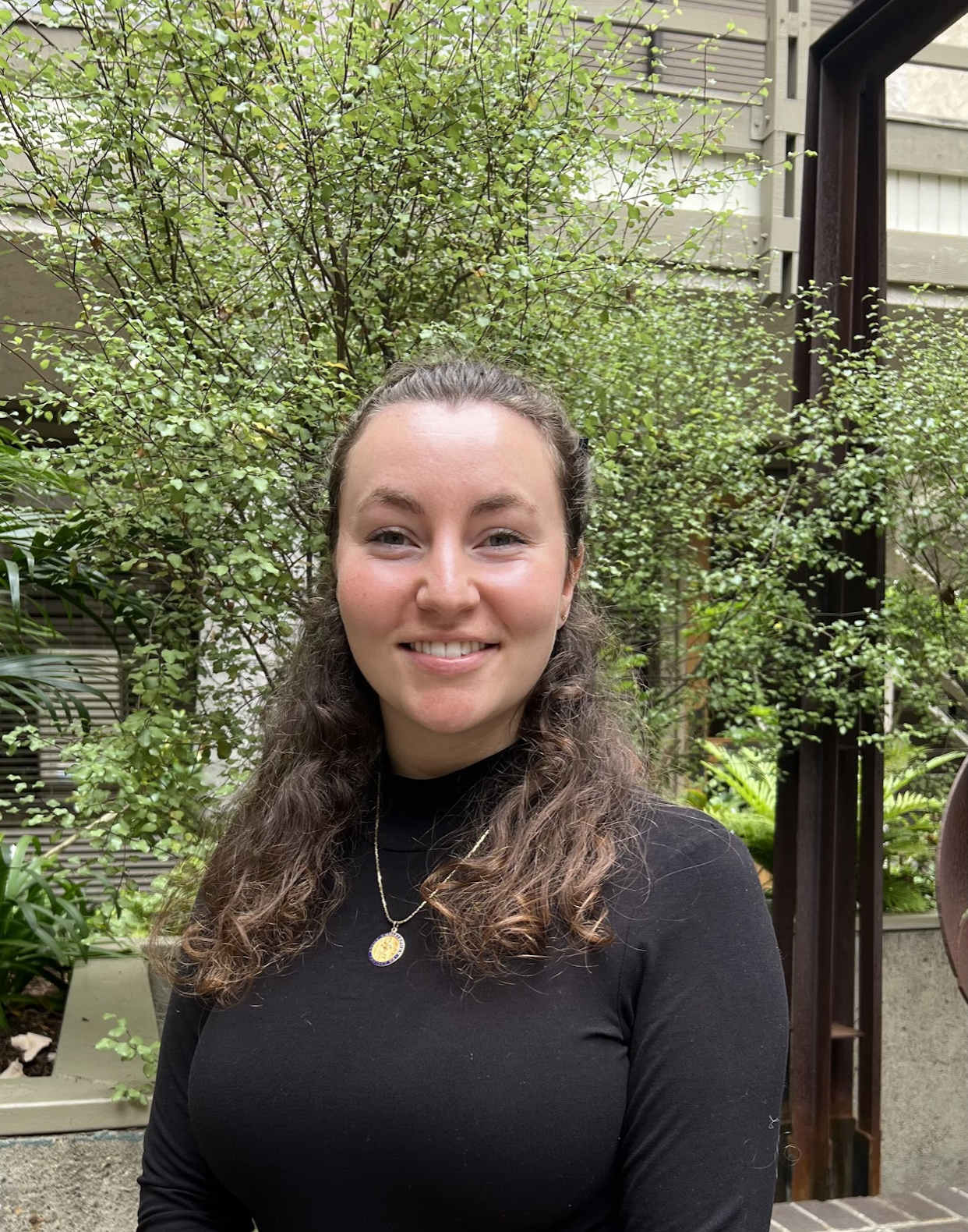
Bachelor's degree from the University of Colorado Boulder, graduating summa cum laude, and currently pursuing a Master of Public Health in Epidemiology at UC Irvine. Portia supports therapists and clients with the details around care.
Read Portia's full bio →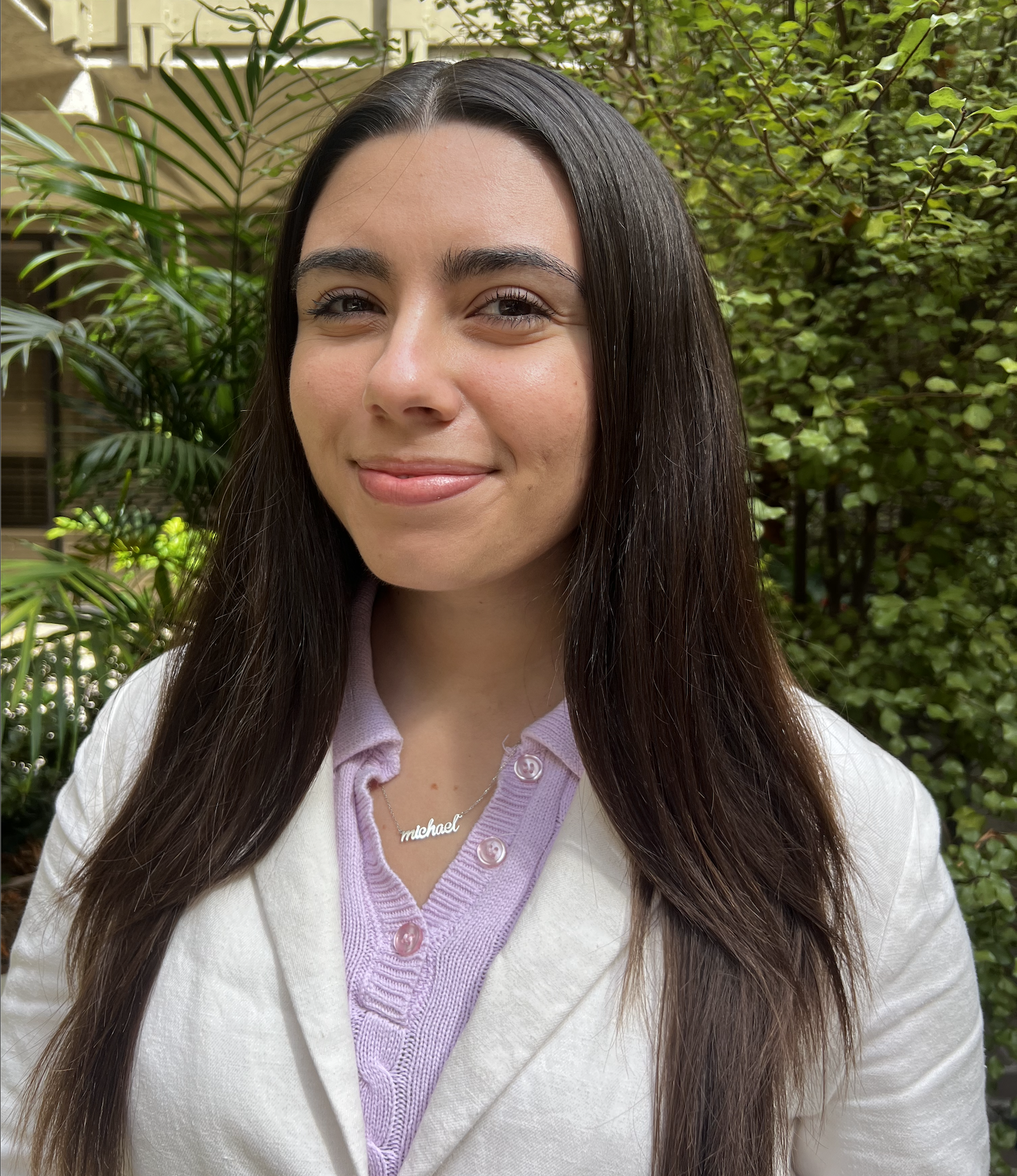
Bachelor's degree in General Psychology with a minor in Entrepreneurial Studies, plus associate degrees in Psychology and Sociology. Jessica helps support both the team and clients on the front end.
Read Jessica's full bio →Reading about severe anxiety can help you understand symptoms and treatment options. But when anxiety is already affecting daily life, a direct conversation may be more useful than continuing to compare pages.
You can start by talking with someone who treats severe anxiety and OCD-related fears every day. You do not need certainty first. You only need enough information to ask what level of care may fit.
A 20-minute call with one of our clinicians can help you understand whether intensive severe anxiety treatment is the right fit, what other options may make sense, and what to do next without pressure to decide on the spot.
Reaching out does not commit you to treatment. It gives you a chance to ask questions and understand the level of support that may fit.
People search for anxiety care in different ways. Some look for severe anxiety treatment, some search for anxiety treatment in Irvine, and others compare OCD and anxiety specialists in Orange County or Los Angeles. These sections explain how The OCD Treatment Center may help.
Anxiety treatment in Irvine may be appropriate when worry, panic, avoidance, or physical symptoms are interfering with daily routines.
Anxiety treatment in Irvine can include CBT, exposure-based therapy, ACT, and structured outpatient care. The right approach depends on the type of anxiety, severity, and what has or has not helped before.
The OCD Treatment Center helps Irvine clients understand whether weekly therapy is enough or whether a more structured intensive outpatient program may be worth considering.
Anxiety and OCD can overlap through intrusive thoughts, reassurance-seeking, avoidance, compulsions, and fear of uncertainty.
A center for anxiety and OCD in Irvine should be able to distinguish ordinary worry from OCD-related anxiety, panic, health fears, intrusive thoughts, and avoidance patterns.
The OCD Treatment Center provides anxiety and OCD-focused care for people who may need more than general outpatient therapy.
An OCD therapist in Orange County may be helpful when anxiety is connected to intrusive thoughts, rituals, checking, or reassurance.
When OCD and anxiety overlap, treatment often needs ERP-informed care, exposure practice, response prevention, and family guidance when reassurance has become part of the cycle.
The OCD Treatment Center serves Orange County clients who are looking for specialized OCD and severe anxiety treatment in a structured outpatient setting.
Severe anxiety in Irvine may include panic, avoidance, health fears, sleep disruption, physical symptoms, or constant worry.
Severe anxiety can make daily life feel smaller even when someone appears functional from the outside. Symptoms may include racing heart, shortness of breath, nausea, dizziness, rumination, avoidance, and fear of panic.
If symptoms are affecting work, school, relationships, sleep, or basic routines, a structured treatment consultation can help clarify the next level of care.
When severe anxiety and depression occur together, treatment should consider the whole picture, not one symptom in isolation.
Severe depression and anxiety can involve low energy, persistent worry, avoidance, sleep changes, loss of motivation, panic symptoms, and difficulty making decisions.
The OCD Treatment Center can help clarify whether severe anxiety, OCD-related fears, or another pattern is driving symptoms and whether intensive outpatient care is appropriate.
Severe anxiety treatment near Los Angeles may be helpful when symptoms require more structure than weekly care.
Los Angeles clients often search for severe anxiety treatment when panic, avoidance, worry, physical symptoms, or OCD-related fears are affecting normal life.
Our Newport Beach program provides structured intensive outpatient care for people who may need specialized anxiety and OCD treatment with more repetition and support.
This guide explains common severe anxiety symptoms, treatment options for anxiety, CBT, exposure therapy, intensive outpatient care, and when anxiety and depression may need more structured help.
Severe anxiety treatment is designed to reduce the patterns that keep anxiety active: avoidance, reassurance-seeking, panic responses, fear of body sensations, excessive worry, and difficulty tolerating uncertainty. The right level of care depends on severity, daily functioning, treatment history, and safety needs.
Anxiety is a normal response to stress or danger. Severe anxiety is different because it becomes persistent, difficult to control, and disruptive to daily life. It may affect sleep, work, school, relationships, driving, eating, health concerns, social situations, or basic routines.
Some people experience severe generalized anxiety disorder, panic disorder, social anxiety, health anxiety, phobias, agoraphobia, or anxiety that overlaps with OCD. Others do not have a clear label yet, but they know anxiety is taking up too much space.
Severe symptoms of anxiety can be emotional, cognitive, behavioral, and physical. Common symptoms include:
Physical symptoms should be taken seriously. A medical provider can help rule out medical causes when symptoms are new, severe, or unusual.
Severe anxiety and depression can occur together. Anxiety may keep the body on alert while depression reduces energy, motivation, and hope. This combination can make treatment decisions feel harder and can increase avoidance.
Help for severe anxiety and depression should consider the whole pattern: mood, safety, sleep, appetite, daily functioning, panic symptoms, OCD-related fears, and whether a higher level of care is needed.
Treatment options for anxiety may include therapy, medication support, skills practice, family guidance, and different levels of care. The best plan depends on diagnosis, severity, history, and personal goals.
CBT helps people identify anxious predictions, avoidance patterns, and behaviors that keep anxiety going. CBT is often most effective when it includes planned practice outside of discussion alone.
Exposure therapy is a structured way to face feared situations, thoughts, sensations, or uncertainty without relying on the same safety behaviors. It should be paced, planned, and supported by a trained clinician.
Medication may be helpful for some people with anxiety. A psychiatrist, primary care physician, or other qualified prescriber can discuss whether medication is appropriate and monitor benefits or side effects.
When weekly therapy has not been enough, higher-structure care may be considered. This can include intensive outpatient treatment, PHP, residential care, or inpatient care depending on symptoms, safety needs, and clinical recommendation.
CBT and exposure therapy often target the core anxiety cycle: fear, avoidance, short-term relief, and then more fear later. Treatment helps the person practice staying with anxiety long enough to learn that the feared outcome may not happen, or that they can handle uncertainty and discomfort without the old safety behaviors.
A strong exposure plan usually includes clear targets, a step-by-step hierarchy, practice between sessions, review of safety behaviors, and careful adjustment when the work becomes too easy or too overwhelming.
Intensive anxiety treatment may be considered when anxiety is severe, when avoidance is shaping daily life, when panic or body symptoms keep returning, or when weekly therapy has not created enough progress.
An intensive outpatient program can provide more frequent practice and more clinician support while allowing the person to remain connected to daily life. This can be especially helpful when severe anxiety overlaps with OCD-like loops, reassurance-seeking, compulsions, or phobic avoidance.
Before choosing an anxiety treatment program, ask practical questions:
A good provider should be able to explain what the program does, who it is for, and when another level of care would be more appropriate.
You do not need to know the exact diagnosis or level of care before you ask for help. You can start by explaining what has been happening, what you have tried, and how anxiety is affecting daily life.
Call (949) 398-8350 to talk through whether intensive anxiety treatment, IOP, weekly therapy, or another level of care may be the right fit.
For many anxiety disorders, CBT with exposure-based work is strongly supported. The best treatment depends on the type of anxiety, severity, safety needs, and past treatment history.
Severe generalized anxiety disorder may include excessive worry, trouble controlling worry, sleep problems, muscle tension, irritability, fatigue, difficulty concentrating, and repeated fear about future events.
Yes. When anxiety and depression occur together, care should consider mood, motivation, safety, avoidance, sleep, and daily functioning. Some people need weekly therapy, while others may need a higher level of care.
Exposure therapy is a structured way to face feared situations, thoughts, sensations, or uncertainty while reducing avoidance and safety behaviors. It should be planned and supported by a trained clinician.
Seek help when anxiety interferes with work, school, relationships, sleep, driving, health, or normal routines. If there is immediate danger or thoughts of self-harm, call 911 or 988 in the U.S.
Weekly therapy may not be enough when anxiety is severe or avoidance keeps rebuilding between sessions. Intensive anxiety treatment or IOP may provide more repetition, structure, and clinician support.